The Trump administration has a new signature achievement, in finalizing a plan to open the Arctic National Wildlife Refuge to oil drilling.


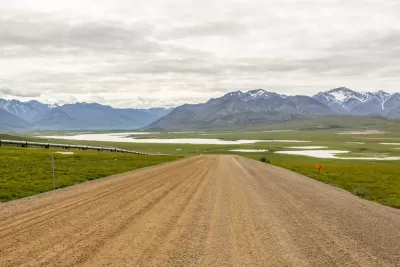
"The Trump administration finalized plans Monday to open up the Arctic National Wildlife Refuge to drilling, a move that will auction off oil and gas rights in the heart of one of the nation’s most iconic wild places," reports Juliet Eilperin.
Drilling in the Arctic National Wildlife Refuge has been a goal fo the Republican party for 40 years, according to Eilperin, who describes the plan as a capstone achievement for the Trump administration.
"The move will allow leasing on the 1.6 million-acre coastal plain, the center of a nearly pristine wilderness home to migrating caribou and waterfowl as well as polar bears and foxes that live there year-round," writes Eilperin. "It marks a major step toward reviving fossil fuel development in an area that has been untouched for three decades."
Environmentalists and Native American tribes who live in and around the Arctic National Wildlife Refuge have pledged to fight the plan in court.
A "record of decision" published this week by the Bureau of Land Management paves the way for construction of as many as four airstrips and well pads, 175 miles of roads, vertical supports for pipelines, a seawater-treatment plant and a barge landing and storage site, according to Eilperin.
The article includes more details about the geographic scope of the refuge, and the animals that make their habitat there. Also included is a timeline for the auctioning of oil drilling rights in the refuge.
Read the full story: Trump finalizes drilling plan for iconic Arctic National Wildlife Refuge
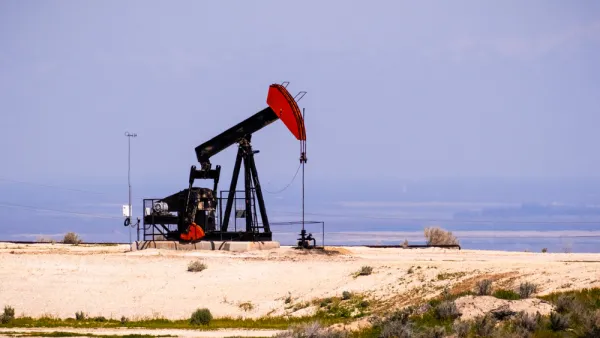
Department of Interior Plans to Open 1 Million Acres in California to Fracking
The Bakersfield Office of the Bureau of Land Management released an environmental study that is the basis for undoing a 2013 de facto moratorium on fracking on federal lands in California. The Supplemental EIS triggers a 45-day public comment period.
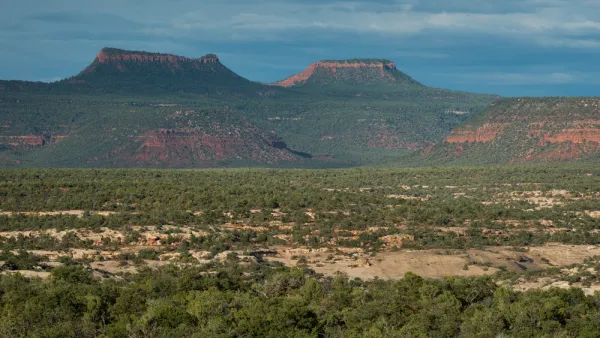
The Trump Administration's Trail of Broken Environmental Regulations
Critics of the Trump administration who chide the president for a lack of accomplishments should check the environmental record.
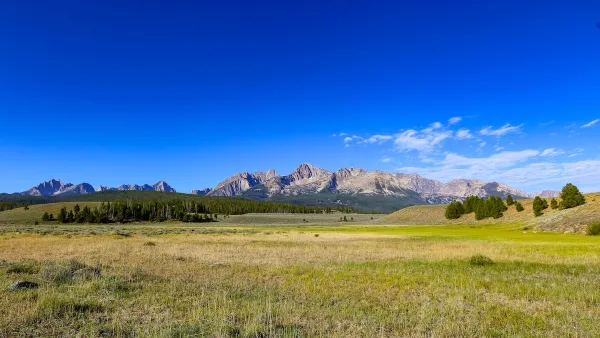
Trump is considering data centers on 6 states' public land — some state officials say they had no idea
If the administration approves the proposed projects, data center and data center-related developments will cover 17,600 acres of public land.

Planetizen Federal Action Tracker
A weekly monitor of how Trump’s orders and actions are impacting planners and planning in America.

California plans to bury El Niño’s downpour
If the state plays its cards right, it may be able to store a billion acre-feet of El Niño’s water in aquifers.

Desperate measures: Advocates weigh draining Lake Powell to fill Colorado River
Draining the reservoir could reduce evaporation losses by a couple hundred thousand acre-feet.

Housing is the top priority of Seattle’s sole new councilmember
Jenks campaigned on building 1,000 new units of affordable housing.

New tax cuts may slash $1.5 billion in funding for Miami transit, public parks
Amendment 3 will save Miami-Dade homeowners $2,700 in 2028.

Arizona, Wisconsin, Pennsylvania hope to finally advance climate goals post-midterms
The three states have spent years under Republican or divided control.

FREE Course: Walkable City 1: Why Walkability?
After describing his path towards focusing on walkability as the essence of good planning, Jeff Speck marches through his five principal reasons for making more walkable places.
Reinventing Malls: Planning Alchemy—Turning Gray Fields Into Gold
The course focuses on the opportunities and imperatives that shape reinvention of mall sites.

City of Rosemead
Rutgers University, Edward J. Bloustein School of Planning and Public Policy
One Hundred Miles
University of Michigan School for Environment and Sustainability (SEAS)
Hunter College, City University of New York (CUNY)
The Architects Foundation
City of Cambridge
Montrose County
The Pocatello Development Authority