The Upper West Side of Manhattan is embroiled in controversy as local residents react badly to at-risk New Yorkers being housed in a local hotel for safety during the pandemic.


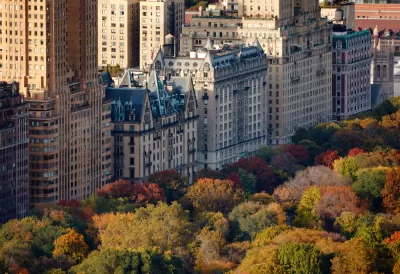
"The Lucerne Hotel at 201 West 79th Street will be used to house 283 homeless people who have been staying at shelters downtown, as a way to reduce the population at those shelters so there is less of a Covid-19 risk," according to an article published by the West Side Rag on July 24.
That news came from an email sent to constituents from New York City Councilmember Helen Rosenthal. A few days later, the use of the hotel to house men from project Renew had erupted in controversy, as reported in a separate article by Jacob Rose, published on July 27.
"Shortly after groups of homeless men began to arrive by bus on Monday morning [July 27] to their new living quarters at The Lucerne Hotel on 79th Street and Amsterdam Avenue, Councilmember Helen Rosenthal showed up in a car, and was soon surrounded by locals," reports Rose.
Project Renew has been having trouble finding places for these at-risk men to stay during the pandemic. "The men were residents of two East Village shelters run by a nonprofit called Project Renewal that helps people recovering from drug abuse. Some of the men had already been moved to a hotel on West 51st Street — but conflict between shelter residents and their neighbors caused them to be moved again, one shelter resident who calls himself Da Homeless Hero told West Side Rag," according to Rose in the article from July 27.
The articles and the comments on both the articles are full of comments from local residents expressing concerns about the population of vulnerable New Yorkers living in the midst.
FULL STORY: Locals Express Frustration and Confront Councilmember as Hotel Becomes Homeless Shelter

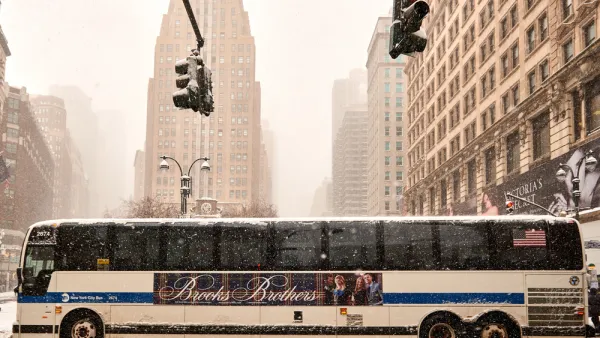
Visions of a Car-Free Manhattan
In Manhattan, the space devoted to cars and car-related infrastructure takes up an area four times larger than Central Park. What would New York City look like if it divested from cars?
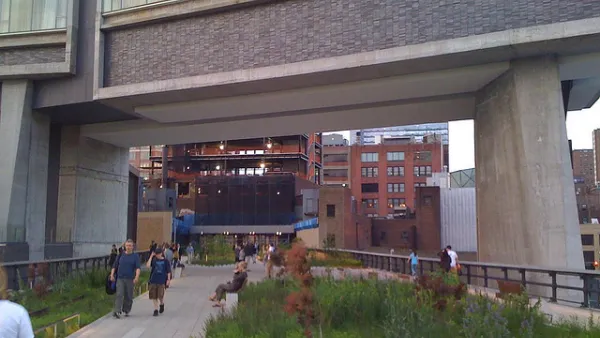
The All-New High Line
With travel restrictions requiring quarantines for many out-of-state visitors to New York City, the normal hordes of tourists on New York's High Line will be absent for months to come.
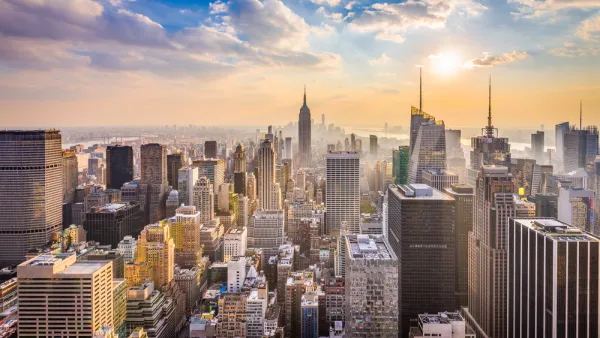
Manhattan’s Population Is on the Rebound
After the ‘urban exodus’ brought on by the pandemic, most of New York City’s boroughs are regaining their population.

The state-sanctioned urbicide of Austin
People don’t kill cities. Freeways do.

US to reduce Colorado River water deliveries to Mexico
A new Colorado Treaty amendment reduces Mexico’s Colorado River water allocation by 250,000 acre feet.

New Jersey’s second-largest city bans standalone data centers
Jersey City will continue to allow co-location facilities, such as those meant for research institutions that store their own data.

Amtrak not solely to blame for New Jersey commuter rail's unreliability, report finds
A new study from the Garden State Initiative found that NJ Transit’s budget grew 20% across a 4 year period, but reliability declined significantly over the same period.

EPA erases limits on planet-warming pollution from power plants
Under Monday’s plan, power plants would still have some limits on how much mercury, arsenic and other contaminants they can emit.

Phoenix announces new on-demand transit service, more frequent RAPID buses
Both new services will launch in October, and are part of Phoenix's Project Effective Access Solutions for Easing Congestion.

FREE Course: Walkable City 1: Why Walkability?
After describing his path towards focusing on walkability as the essence of good planning, Jeff Speck marches through his five principal reasons for making more walkable places.
Reinventing Malls: Planning Alchemy—Turning Gray Fields Into Gold
The course focuses on the opportunities and imperatives that shape reinvention of mall sites.

Eagle County Government
Harvard University Graduate School of Design
Nashville Planning Department
The Architects Foundation
University of Cincinnati Online
The Pocatello Development Authority
The Urban Renewal Agency of the City of Pocatello
Journal of the American Planning Association