Now is the time to invest in public transit as the correct coronavirus pandemic transportation solution.


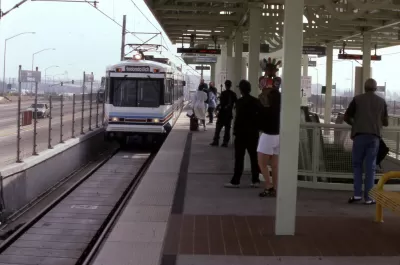
Arturo Ardila-Gomez sees public transit as the savior of the coronavirus-caused transportation dilemma. Inaccurately demonized as a prime location for disease-spreading contact, mass transit is not responsible for increasing COVID-19 cases, says Ardila-Gomez. "Since the beginning of the pandemic, most public transport operators have quickly stepped up to the plate and taken concrete action to make transit systems COVID-safe for staff and passengers."
Ardila-Gomez suggests that now is the time to adapt transportation infrastructure and that "transport providers must adapt their operations to minimize the overlap of the three Cs: Closed and Crowded spaces, and Close contact situations." In the long-term, transit providers will need to rethink the way cities are served and take measures to plan for future health emergencies, being ready with such interventions as pop-up bus lanes at a moment's notice. Transit preparedness is essential to ensuring that people at all income levels are able to navigate the city effectively, says Ardila-Gomez.
FULL STORY: In the fight against COVID-19, public transport should be the hero, not the villain

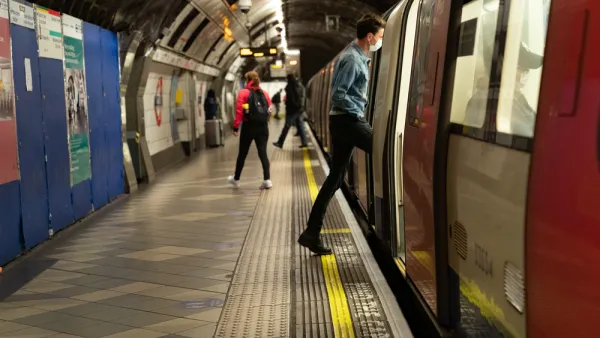
What Is the Future for Transit After COVID? - A Debate
Critic Randal O'Toole and advocate Todd Litman debate how communities should plan for public transit in the post pandemic future. Should it contract or expand?
Falling Transit Ridership 'Disastrous' for Greenhouse Gas Reductions
With ridership at record lows and agencies struggling to stay afloat, public transit around the world will need robust investment to recover after the pandemic.
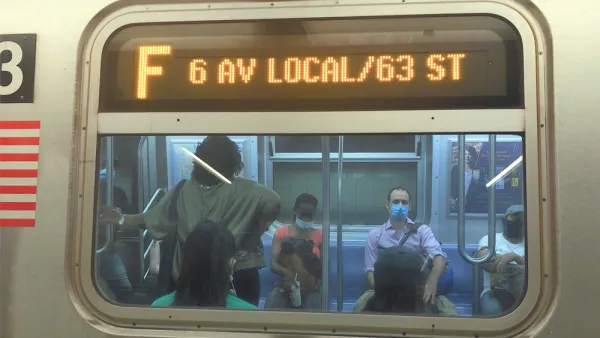
The Realities of Pandemic Public Transit Service
Recent analysis by TransitCenter quantifies the effects of the pandemic for the 150 largest U.S. transit systems.

The state-sanctioned urbicide of Austin
People don’t kill cities. Freeways do.

US to reduce Colorado River water deliveries to Mexico
A new Colorado Treaty amendment reduces Mexico’s Colorado River water allocation by 250,000 acre feet.

New Jersey’s second-largest city bans standalone data centers
Jersey City will continue to allow co-location facilities, such as those meant for research institutions that store their own data.

Amtrak not solely to blame for New Jersey commuter rail's unreliability, report finds
A new study from the Garden State Initiative found that NJ Transit’s budget grew 20% across a 4 year period, but reliability declined significantly over the same period.

EPA erases limits on planet-warming pollution from power plants
Under Monday’s plan, power plants would still have some limits on how much mercury, arsenic and other contaminants they can emit.

Phoenix announces new on-demand transit service, more frequent RAPID buses
Both new services will launch in October, and are part of Phoenix's Project Effective Access Solutions for Easing Congestion.

FREE Course: Walkable City 1: Why Walkability?
After describing his path towards focusing on walkability as the essence of good planning, Jeff Speck marches through his five principal reasons for making more walkable places.
Reinventing Malls: Planning Alchemy—Turning Gray Fields Into Gold
The course focuses on the opportunities and imperatives that shape reinvention of mall sites.

Eagle County Government
Harvard University Graduate School of Design
Nashville Planning Department
The Architects Foundation
University of Cincinnati Online
The Pocatello Development Authority
The Urban Renewal Agency of the City of Pocatello
Journal of the American Planning Association