Climate justice and social justice are closely linked. Black climate expert Ayana Johnson explains why racial justice strides are required to make leeway for climate change issues.


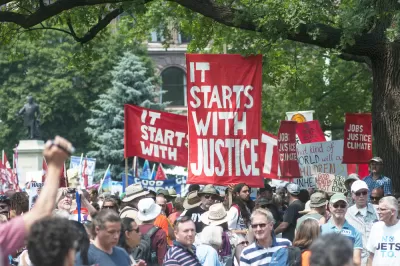
Ayana Johnson is a Black marine biologist and a self-proclaimed policy nerd with a call to action for white colleagues: step up and understand the connection between climate justice and racial justice.
Not only does climate change disproportionately affect people of color, but people of color are more likely to be willing to engage in climate activism than white people. A recent Climate Change in the American Mind survey found that 69% of Latinos and 57% of African Americans are concerned by climate change compared to only 49% alarm raised by whites.
The pressing need to address structural racism limit black folks' time and energy to work on other projects, Johnson points out:
How can we expect black Americans to focus on climate when we are so at risk on our streets, in our communities, and even within our own homes? How can people of color effectively lead their communities on climate solutions when faced with pervasive and life-shortening racism?
The hours lost fighting systemic oppression can't be taken back. Johnson calls on white people to adopt a framework of anti-racism (distinguished from non-racism as an active fight against racism) and to "understand that our racial inequality crisis is intertwined with our climate crisis."
FULL STORY: I’m a black climate expert. Racism derails our efforts to save the planet.

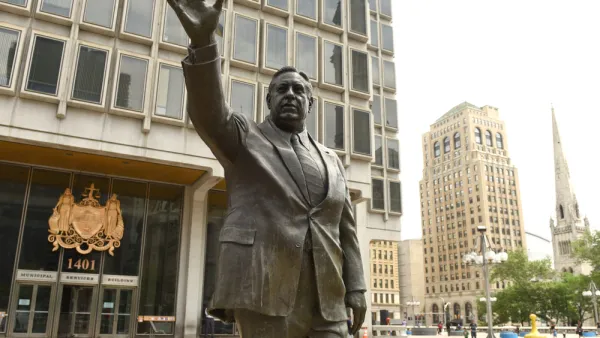
Designing for Life
A Black architect calls on designers to recommit their training and expertise to account for the health and safety of all, especially those who have been most harmed by the status quo of the built environment.
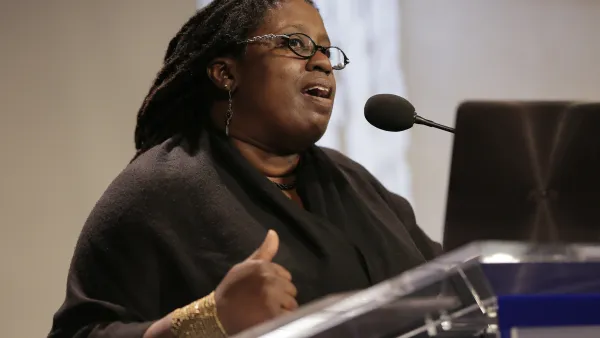
Climate Justice Advocate Named One of TIME's Women of the Year
Jacqueline Patterson has dedicated her career to intersectional approaches to systems change and social and environmental justice.
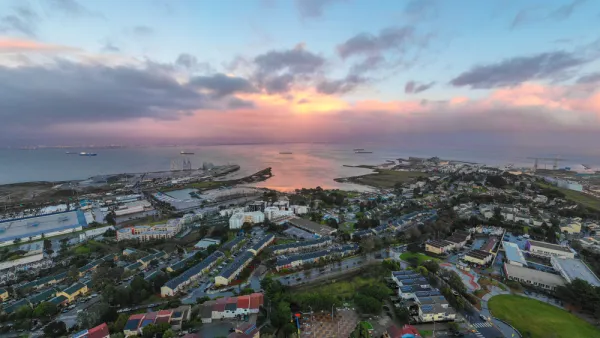
Can Planners Advance Environmental Justice When Rebuilding Existing Locally Unwanted Land Uses?
Miriam Solis, of the University of Texas at Austin, writes about a recent article she authored in the Journal of Planning Education and Research.

Planetizen Federal Action Tracker
A weekly monitor of how Trump’s orders and actions are impacting planners and planning in America.

The state-sanctioned urbicide of Austin
People don’t kill cities. Freeways do.

US to reduce Colorado River water deliveries to Mexico
A new Colorado Treaty amendment reduces Mexico’s Colorado River water allocation by 250,000 acre feet.

Mamdani overhauls NYC's Vision Zero plan with 100 new policy goals
The overhaul aims to reduce traffic deaths and make streets safer for pedestrians, cyclists and drivers through lower speed limits, new safety infrastructure and more.

Amtrak not solely to blame for New Jersey commuter rail's unreliability, report finds
A new study from the Garden State Initiative found that NJ Transit’s budget grew 20% across a 4 year period, but reliability declined significantly over the same period.

EPA erases limits on planet-warming pollution from power plants
Under Monday’s plan, power plants would still have some limits on how much mercury, arsenic and other contaminants they can emit.

FREE Course: Walkable City 1: Why Walkability?
After describing his path towards focusing on walkability as the essence of good planning, Jeff Speck marches through his five principal reasons for making more walkable places.
Reinventing Malls: Planning Alchemy—Turning Gray Fields Into Gold
The course focuses on the opportunities and imperatives that shape reinvention of mall sites.

Eagle County Government
Harvard University Graduate School of Design
Nashville Planning Department
The Architects Foundation
University of Cincinnati Online
The Pocatello Development Authority
The Urban Renewal Agency of the City of Pocatello
Journal of the American Planning Association