The processes of clearing land, building foundations, and making space for parking are three of the most expensive components of the construction process. Zoning can help reduce the costs to deliver more affordable housing supply.


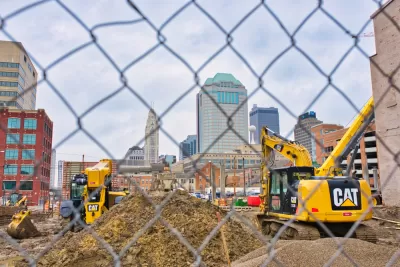
Hannah Hoyt and Jenny Schuetz explore strategies to improve the efficiency of apartment construction by reducing costs in site preparation, substructure work, and parking.
The article offers three strategies for lowering the costs of the "groundwork" for developments.
First, conduct due diligence on the site in advance, and run site prep concurrently with other tasks when possible. Second, prioritize building forms that permit simple, shallow foundations. Third, local governments should update zoning regulations to reduce parking requirements, thereby reducing the amount of costly structured parking.
The article also connects zoning reform of parking requirements to reduced construction costs (spoiler alert: savings may vary).
The article is the third installment of a series that explores methods for reducing the costs of multi-family housing construction. previous articles discussed cost categories for different building typologies and proposed strategies to save money on land and soft costs.
FULL STORY: Parking requirements and foundations are driving up the cost of multifamily housing

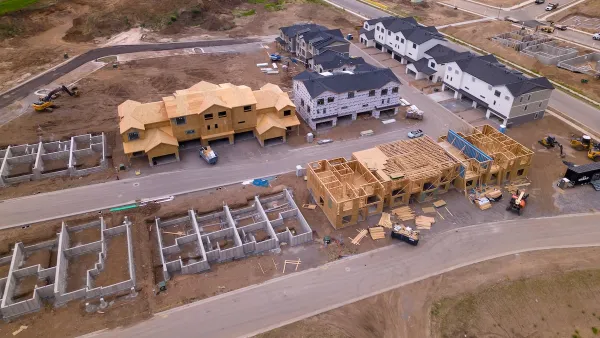
‘Montana Miracle:’ The State Actually Succeeding at Housing Reform
A series of ambitious zoning reforms is having a significant impact on the state’s housing supply.

Can Zoning Reform Save Pittsburgh’s Affordable Housing?
With home sale prices growing faster than anywhere in the country, the Steel City could enact major reforms to boost density and lower housing costs.
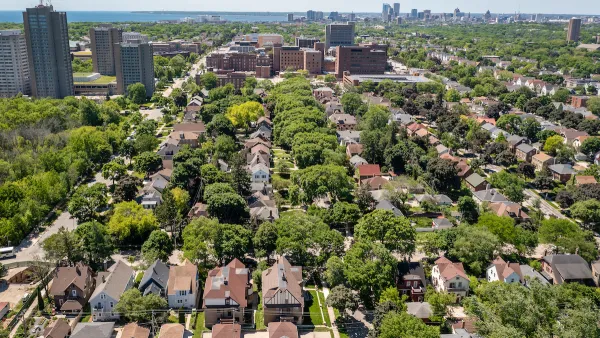
A Look at Milwaukee’s Proposed Zoning Reform
The proposed changes would permit more flexible housing development while limiting changes in historic neighborhoods and on smaller streets.

Planetizen Federal Action Tracker
A weekly monitor of how Trump’s orders and actions are impacting planners and planning in America.

The state-sanctioned urbicide of Austin
People don’t kill cities. Freeways do.

US to reduce Colorado River water deliveries to Mexico
A new Colorado Treaty amendment reduces Mexico’s Colorado River water allocation by 250,000 acre feet.

Colorado’s Largest Data Center Could Rise Next to Homes — Without a Public Hearing
The proposed campus would consume 11 times the power of Denver International Airport; as it has across the country, opposition mounts.

5 New England states march closer to 800 megawatt wind energy project
Securing federal approval for the project may be complicated under the Trump administration, which has historically been hostile towards domestic wind power.

Baltimore to break ground on $50 million Transit Priority Project
The project will bring faster bus trips, safer streets and better bike connections to Baltimore.

FREE Course: Walkable City 1: Why Walkability?
After describing his path towards focusing on walkability as the essence of good planning, Jeff Speck marches through his five principal reasons for making more walkable places.
Reinventing Malls: Planning Alchemy—Turning Gray Fields Into Gold
The course focuses on the opportunities and imperatives that shape reinvention of mall sites.

Eagle County Government
Harvard University Graduate School of Design
Nashville Planning Department
The Architects Foundation
University of Cincinnati Online
The Pocatello Development Authority
The Urban Renewal Agency of the City of Pocatello
Journal of the American Planning Association