MoveLA's Denny Zane and Gloria Ohland assess the impact of the COVID-19 pandemic on public transit.


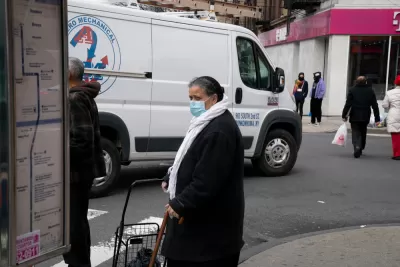
Transit ridership has declined precipitously across the United States as "social distancing" continues during the COVID-19 crisis. Given the aforementioned, The Planning Report spoke with MoveLA Executive Director Denny Zane and Director of Policy and Communications Gloria Ohland, to assess their views of the impact of the COVID-19 pandemic on public transit moving forward.
Both express their confidence in the Los Angeles County Metropolitan Transportation Authority and highlight the necessity for a level of transit service that meets the needs of those worst hit by the current health and economic challenges:
"With demographics a primary driver, and with transit riders primarily low-income (often service workers) likely to be the worst hit by the economic fallout, the question becomes how many people/riders is that …and what level of public transit services will they need to survive afterwards.” —Denny Zane
Read the full interview at The Planning Report.
FULL STORY: Public Health’s Impact on Future Transit Behavior & Urban Boulevards

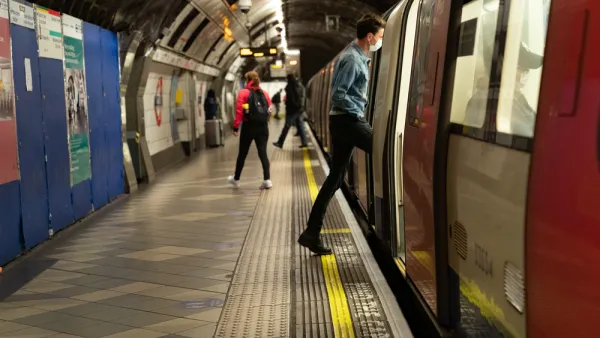
What Is the Future for Transit After COVID? - A Debate
Critic Randal O'Toole and advocate Todd Litman debate how communities should plan for public transit in the post pandemic future. Should it contract or expand?
'Never Let a Good Crisis Go to Waste' and Planning in the Pandemic
The latest in a series of compendia collecting news and commentary focusing on the complexities of the COVID-19 pandemic's effect on communities.
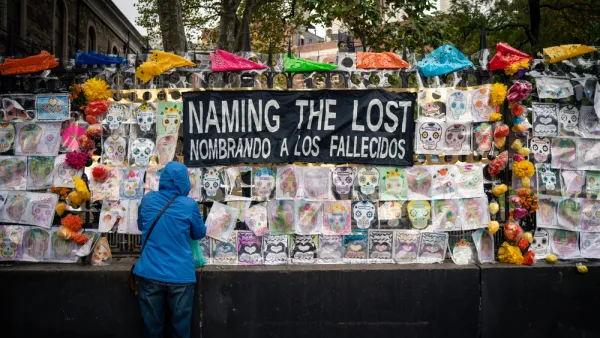
Nine Months Later: How the Pandemic Is Changing Communities
Planetizen shares the latest in a series of compendia tackling the effects of the pandemic, now and in the future, for cities and communities.

Planetizen Federal Action Tracker
A weekly monitor of how Trump’s orders and actions are impacting planners and planning in America.

The state-sanctioned urbicide of Austin
People don’t kill cities. Freeways do.

US to reduce Colorado River water deliveries to Mexico
A new Colorado Treaty amendment reduces Mexico’s Colorado River water allocation by 250,000 acre feet.

5 New England states march closer to 800 megawatt wind energy project
Securing federal approval for the project may be complicated under the Trump administration, which has historically been hostile towards domestic wind power.

Baltimore to break ground on $50 million Transit Priority Project
The project will bring faster bus trips, safer streets and better bike connections to Baltimore.

Airbnb launches $250 million 'last-dollar financing' housing accelerator, makes first investment in Austin
The company will put $6.4 million towards affordable housing development in Texas’ capital.

FREE Course: Walkable City 1: Why Walkability?
After describing his path towards focusing on walkability as the essence of good planning, Jeff Speck marches through his five principal reasons for making more walkable places.
Reinventing Malls: Planning Alchemy—Turning Gray Fields Into Gold
The course focuses on the opportunities and imperatives that shape reinvention of mall sites.

Eagle County Government
Harvard University Graduate School of Design
Nashville Planning Department
The Architects Foundation
University of Cincinnati Online
The Pocatello Development Authority
The Urban Renewal Agency of the City of Pocatello
Journal of the American Planning Association