Electric vehicles and internal combustion automobiles emit vastly different sums of carbon, and electric vehicles are quickly widening the gap between the two options as the electricity generation industry cleans up its act.


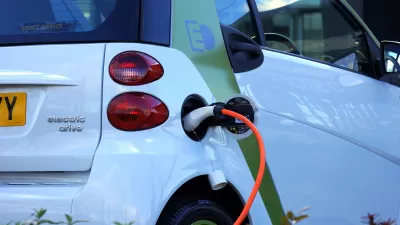
David Reichmuth writes for the Union of Concerned Scientists with an unequivocal message about the environmental impacts of electric cars relative to automobiles with combustion engines: "The latest data affirms that driving on electricity produces significantly fewer emissions than using gasoline and is getting better over time."
"Based on where EVs have been sold, driving the average EV produces global warming pollution equal to a gasoline vehicle that gets 88 miles per gallon (mpg) fuel economy," explains Reichmuth. "That’s significantly better than the most efficient gasoline car (58 mpg) and far cleaner than the average new gasoline car (31 mpg) or truck (21 mpg) sold in the US."
The numbers have also improved by 10 percent in favor of EVs in the past two years.
Reichmuth reaches this conclusion using recently released Electricity power plant emissions data for 2018.
FULL STORY: Are Electric Vehicles Really Better for the Climate? Yes. Here’s Why


How the ‘Big Beautiful Bill’ Impacts Transportation
Five ways the bill negatively impacts U.S. transportation policy.
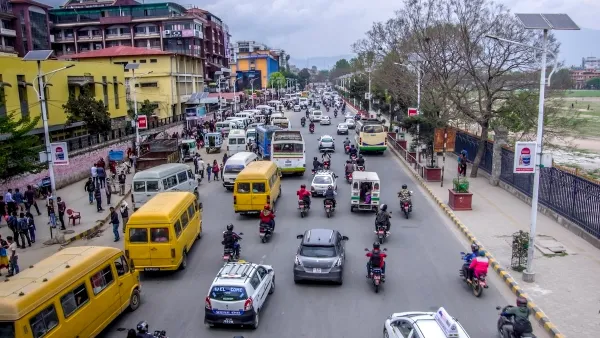
The Small South Asian Republic Going all in on EVs
Thanks to one simple policy change less than five years ago, 65% of new cars in this Himalayan country are now electric.
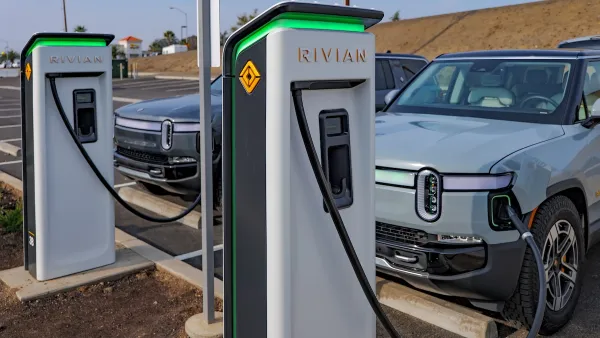
US Senate Reverses California EV Mandate
The state planned to phase out the sale of gas-powered cars by 2035, a goal some carmakers deemed impossible to meet.

Planetizen Federal Action Tracker
A weekly monitor of how Trump’s orders and actions are impacting planners and planning in America.

The state-sanctioned urbicide of Austin
People don’t kill cities. Freeways do.

US to reduce Colorado River water deliveries to Mexico
A new Colorado Treaty amendment reduces Mexico’s Colorado River water allocation by 250,000 acre feet.

5 New England states march closer to 800 megawatt wind energy project
Securing federal approval for the project may be complicated under the Trump administration, which has historically been hostile towards domestic wind power.

Baltimore to break ground on $50 million Transit Priority Project
The project will bring faster bus trips, safer streets and better bike connections to Baltimore.

Airbnb launches $250 million 'last-dollar financing' housing accelerator, makes first investment in Austin
The company will put $6.4 million towards affordable housing development in Texas’ capital.

FREE Course: Walkable City 1: Why Walkability?
After describing his path towards focusing on walkability as the essence of good planning, Jeff Speck marches through his five principal reasons for making more walkable places.
Reinventing Malls: Planning Alchemy—Turning Gray Fields Into Gold
The course focuses on the opportunities and imperatives that shape reinvention of mall sites.

Eagle County Government
Harvard University Graduate School of Design
Nashville Planning Department
The Architects Foundation
University of Cincinnati Online
The Pocatello Development Authority
The Urban Renewal Agency of the City of Pocatello
Journal of the American Planning Association