The Tuolumne River originates in the pristine environment of Yosemite National Park, but eventually some of the water makes its way into the Central Valley and the city of Modesto, where conditions are far less natural.


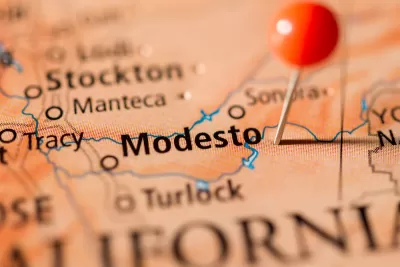
Deke Farrow reports on the efforts of the Dry Creek Trails Coalition and Operation 9-2-99 to clean up trails and waterways in the Tuolumne River watershed in Modesto, a city in California's Central Valley.
Now in its sixth year, Operation 9-2-99 cleanups have cleared more than 400 tons of debris, Guptill said, including between 1,200 and 1,300 shopping carts and about the same number of tires. One January day last year alone, between four and five tons of refuse was hauled from homeless encampments on the banks of Dry Creek in Moose Park.
The Dry Creek coalition, which formed a decade ago and has grown tremendously, has picked up about 250 tons, Jesberg said. And earlier this month, on the group’s Facebook page, he shared some welcome news: “For the first time in ten years of cleaning up the Dry Creek Regional Park trails, there is not enough work to justify hosting a cleanup event — that’s right, the trails are looking fantastic right now — due to your tireless efforts of picking up trash each visit.”
One of the larger goals of the groups' efforts described in the article is to bring thriving recreational activity to the waterways and adjacent rails, to prevent misuse. That goal has also driven the purpose behind the Modesto RecFest, launched in spring 2018 and held twice a year at the Gateway Park area of Tuolumne River Regional.
Another theme running through this story is the city's homeless population, and the efforts by these groups and the city to reduce the public health risks associated with unauthorized homeless encampments. The RecFest had to be moved this spring because a homeless encampment at Beard Brook Park was moved to the Modesto Outdoor Emergency Shelter (MOES) in Gateway Park in February and March. Beard Brook Park "is in the heart of the trail system," according to a source in the article, but it's still a mess four months after the homeless encampment was cleared.
FULL STORY: From trash to treasure: Years of work on Tuolumne River in Modesto have paid off

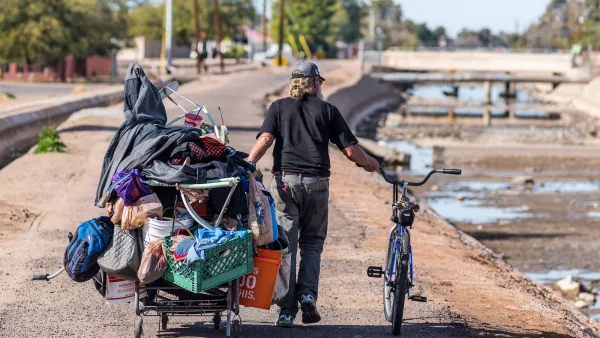
New Phoenix and Oakland Homelessness Plans Prioritize Prevention, Permanent Housing
Phoenix’s unsheltered homeless population grew by 28 percent last year.
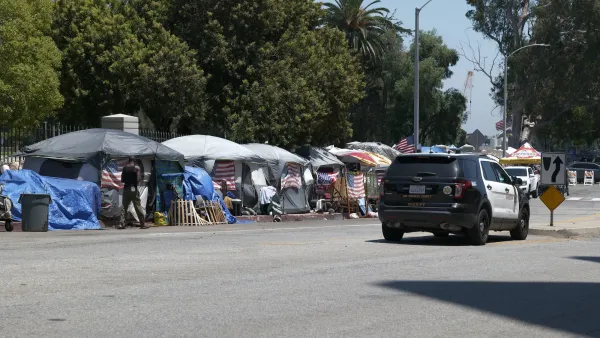
Study: LA’s Homelessness Program Displaced 5 People for Every One it Helped
Researchers say a city program designed to help people access housing and services “does not live up to its name” and has caused more harm than good.
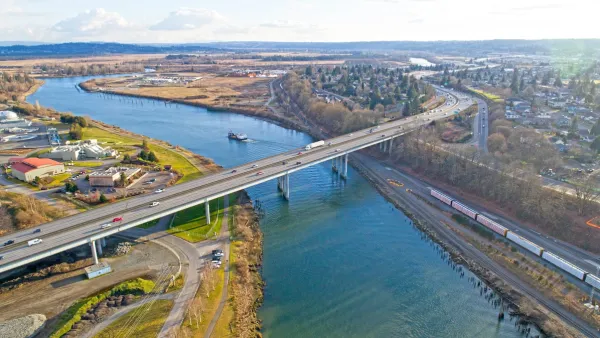
Snohomish River Gains Legal Rights
A new law in one Washington town enshrines the river’s legal right to “exist, regenerate, and flourish.”

The state-sanctioned urbicide of Austin
People don’t kill cities. Freeways do.

US to reduce Colorado River water deliveries to Mexico
A new Colorado Treaty amendment reduces Mexico’s Colorado River water allocation by 250,000 acre feet.

New Jersey’s second-largest city bans standalone data centers
Jersey City will continue to allow co-location facilities, such as those meant for research institutions that store their own data.

Amtrak not solely to blame for New Jersey commuter rail's unreliability, report finds
A new study from the Garden State Initiative found that NJ Transit’s budget grew 20% across a 4 year period, but reliability declined significantly over the same period.

EPA erases limits on planet-warming pollution from power plants
Under Monday’s plan, power plants would still have some limits on how much mercury, arsenic and other contaminants they can emit.

Phoenix announces new on-demand transit service, more frequent RAPID buses
Both new services will launch in October, and are part of Phoenix's Project Effective Access Solutions for Easing Congestion.

FREE Course: Walkable City 1: Why Walkability?
After describing his path towards focusing on walkability as the essence of good planning, Jeff Speck marches through his five principal reasons for making more walkable places.
Reinventing Malls: Planning Alchemy—Turning Gray Fields Into Gold
The course focuses on the opportunities and imperatives that shape reinvention of mall sites.

Eagle County Government
Harvard University Graduate School of Design
Nashville Planning Department
The Architects Foundation
University of Cincinnati Online
The Pocatello Development Authority
The Urban Renewal Agency of the City of Pocatello
Journal of the American Planning Association