At 25 cents an hour, Nevada City, California's meter rates weren't bringing in enough to pay the employees managing them. A fourfold increase will also help the town confront wildfire risk.


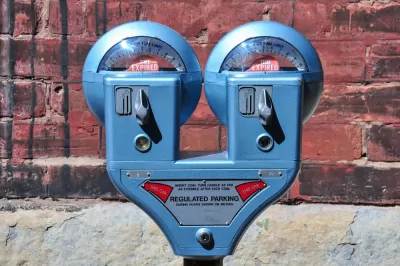
The "quaint" California town of Nevada City long maintained a very reasonable parking meter rate: 25 cents an hour. But now, its city council has voted to raise the price up to one dollar. "The 237 parking meters around town brought in less than $10,000 a month. That wasn't enough to cover the salaries of the public works employees managing them," Laura Bliss writes.
The affordable meters also impacted revenues from tourism, a vital sector for picturesque spots like Nevada City. "And because it was so painless to keep feeding the meters, employees of businesses along Broad Street were known to leave their cars out front for their entire shifts, crowding out other visitors, including all-important tourists."
The new parking rates are estimated to bring in over a half-million dollars a year. According to city council member Erin Minett, 20 percent of that will pay for undergrowth clearance and a fire evacuation siren, crucial measures for a town at risk from the Golden State's intense wildfires.
"Many cities have seen success with raising meter rates and directing the revenue to sorely needed public services," Bliss writes.
FULL STORY: A Small Town Decides Parking Can't Be a Bargain Anymore

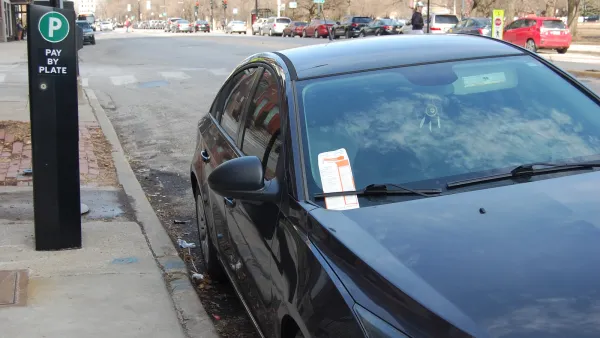
Chicago mayor secretly bid over $3B to buy back city's parking meters
Mayor Brandon Johnson revoked an offer to pay more than $800 million above the next-highest bidder to regain control of the city's parking meters.
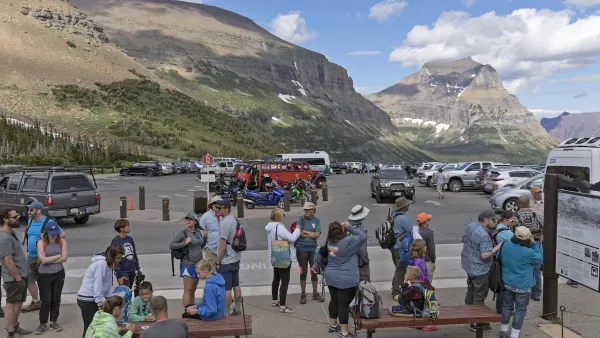
Glacier National Park drops reservation requirement, plans to double down on shuttle network
Since 2021, visitors with cars have had to make a reservation to access the park.
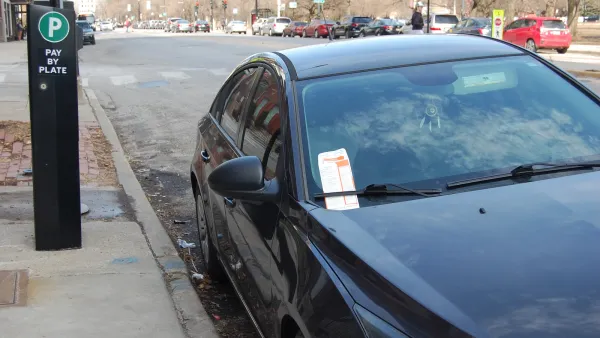
Chicago parking meters are for sale once again
Chicago's 75-year lease of its parking meters to an LLC puts revenue decisions in the hands of private investors.

The state-sanctioned urbicide of Austin
People don’t kill cities. Freeways do.

US to reduce Colorado River water deliveries to Mexico
A new Colorado Treaty amendment reduces Mexico’s Colorado River water allocation by 250,000 acre feet.

New Jersey’s second-largest city bans standalone data centers
Jersey City will continue to allow co-location facilities, such as those meant for research institutions that store their own data.

Amtrak not solely to blame for New Jersey commuter rail's unreliability, report finds
A new study from the Garden State Initiative found that NJ Transit’s budget grew 20% across a 4 year period, but reliability declined significantly over the same period.

EPA erases limits on planet-warming pollution from power plants
Under Monday’s plan, power plants would still have some limits on how much mercury, arsenic and other contaminants they can emit.

Phoenix announces new on-demand transit service, more frequent RAPID buses
Both new services will launch in October, and are part of Phoenix's Project Effective Access Solutions for Easing Congestion.

FREE Course: Walkable City 1: Why Walkability?
After describing his path towards focusing on walkability as the essence of good planning, Jeff Speck marches through his five principal reasons for making more walkable places.
Reinventing Malls: Planning Alchemy—Turning Gray Fields Into Gold
The course focuses on the opportunities and imperatives that shape reinvention of mall sites.

Eagle County Government
Harvard University Graduate School of Design
Nashville Planning Department
The Architects Foundation
University of Cincinnati Online
The Pocatello Development Authority
The Urban Renewal Agency of the City of Pocatello
Journal of the American Planning Association