More than a decade ago, the city sold control of its curb parking to private investors.


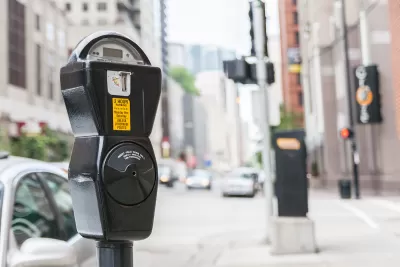
Writing in Jalopnik, Colin Woodard argues that the city of Chicago’s decision to sell control of its parking meters to a group of private investors in 2008 was, in retrospect, “a disaster for the city.”
“Not only did Morgan Stanley jack up the hourly rate on all 36,000 parking meters, but it also requires the city to compensate it for lost revenue any time something such as a parade or road construction temporarily prevents access to a parking meter.” This includes adding new bus stops, raising another hurdle to expanding the city’s bus network.
Woodard adds, “As it turns out, Morgan Stanley actually paid billions less than the deal was worth, and the contract doesn’t expire until 2084, which means most of us will be dead by the time it’s up.” Woodard links to a video from Climate Town that explains the issue in more depth.
FULL STORY: Chicago Selling Its Parking Meters To Morgan Stanley Has Been A Disaster For The City

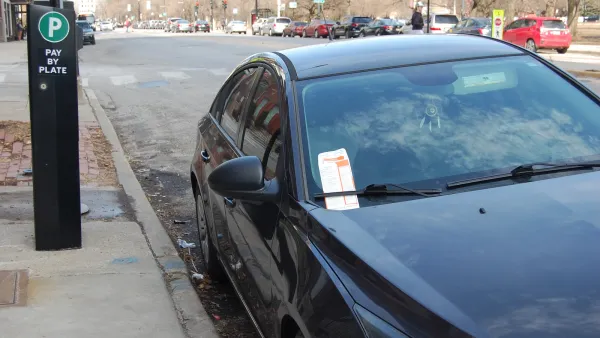
Chicago parking meters are for sale once again
Chicago's 75-year lease of its parking meters to an LLC puts revenue decisions in the hands of private investors.
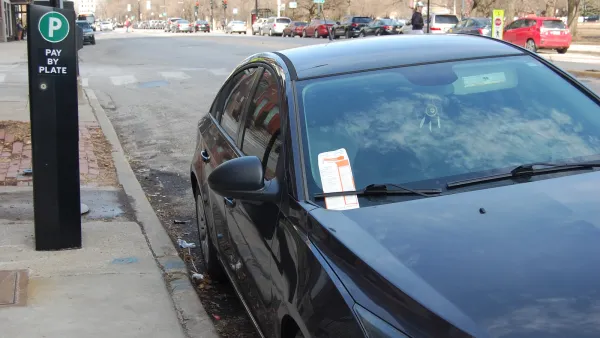
Chicago mayor secretly bid over $3B to buy back city's parking meters
Mayor Brandon Johnson revoked an offer to pay more than $800 million above the next-highest bidder to regain control of the city's parking meters.
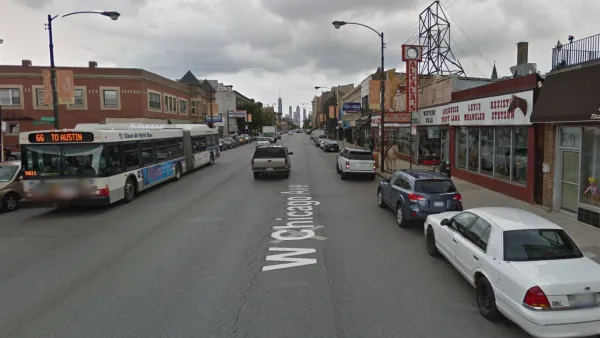
Opinion: Chicago Needs an Office of Parking Management
The city of Chicago needs a local agency empowered to planning, studying, or managing parking, according to a recent opinion piece published by Streetsblog Chicago.

The state-sanctioned urbicide of Austin
People don’t kill cities. Freeways do.

US to reduce Colorado River water deliveries to Mexico
A new Colorado Treaty amendment reduces Mexico’s Colorado River water allocation by 250,000 acre feet.

New Jersey’s second-largest city bans standalone data centers
Jersey City will continue to allow co-location facilities, such as those meant for research institutions that store their own data.

Amtrak not solely to blame for New Jersey commuter rail's unreliability, report finds
A new study from the Garden State Initiative found that NJ Transit’s budget grew 20% across a 4 year period, but reliability declined significantly over the same period.

EPA erases limits on planet-warming pollution from power plants
Under Monday’s plan, power plants would still have some limits on how much mercury, arsenic and other contaminants they can emit.

Phoenix announces new on-demand transit service, more frequent RAPID buses
Both new services will launch in October, and are part of Phoenix's Project Effective Access Solutions for Easing Congestion.

FREE Course: Walkable City 1: Why Walkability?
After describing his path towards focusing on walkability as the essence of good planning, Jeff Speck marches through his five principal reasons for making more walkable places.
Reinventing Malls: Planning Alchemy—Turning Gray Fields Into Gold
The course focuses on the opportunities and imperatives that shape reinvention of mall sites.

Eagle County Government
Harvard University Graduate School of Design
Nashville Planning Department
The Architects Foundation
University of Cincinnati Online
The Pocatello Development Authority
The Urban Renewal Agency of the City of Pocatello
Journal of the American Planning Association