Curb Space
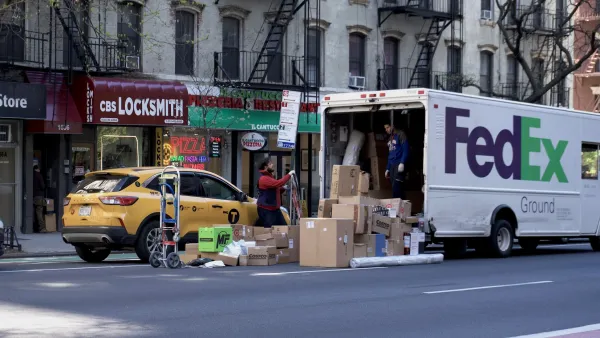
NYC launches curb management office to rein in delivery, parking chaos
New York has roughly 3 million curbside parking spots.
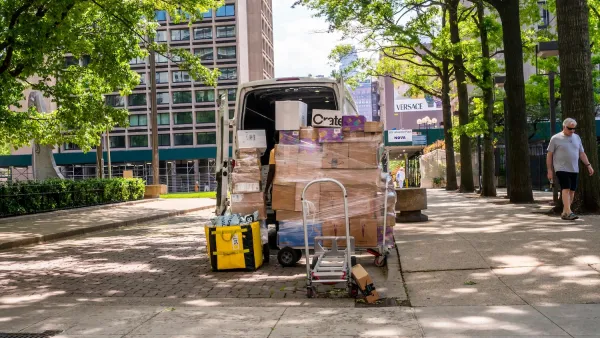
How the Rise of Delivery Culture is Changing Urban Design
Curb management is quickly becoming a key part of urban planning as delivery vans, ride share vehicles, shared mobility devices, transit, and private cars compete for scarce curb space.
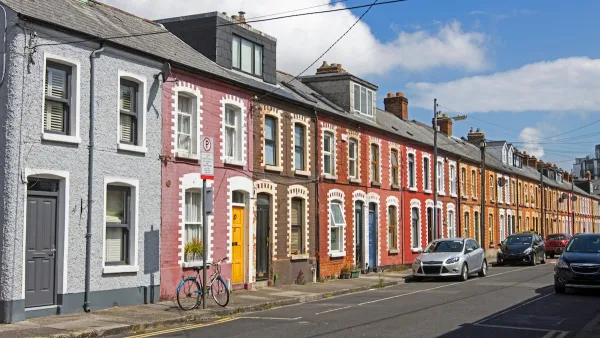
Reimagining the Curb: How Smart Curb Management is Transforming Urban Mobility
Modern demands for curbside space call for new ways to manage and allocate it.
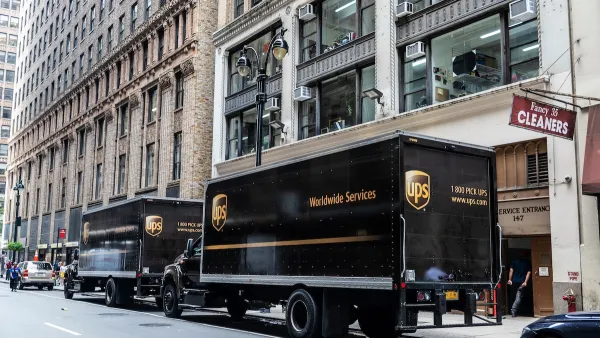
State of Curbs & Parking Report Reveals Glut of Data
As the uses of curb space become more diverse, city officials are working to understand how to best manage this increasingly important urban amenity.
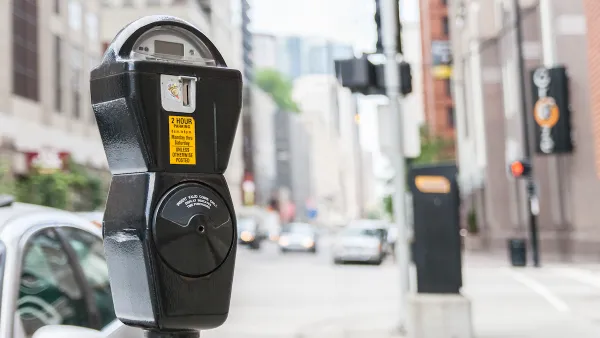
Why Chicago Doesn’t Own its Parking Meters
More than a decade ago, the city sold control of its curb parking to private investors.

Advice for a Post-Parking Mandate World
After abolishing parking requirements, what can cities do to make the most of new space and revenue and avoid backlash?
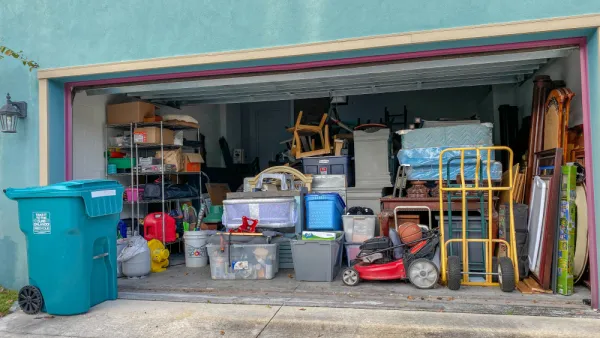
Why a Third of Private Garages Don’t House Cars
With curbside parking available for free in front of most American homes, residents with private garages often choose to utilize the space for household storage. Putting a price on street parking could change that.
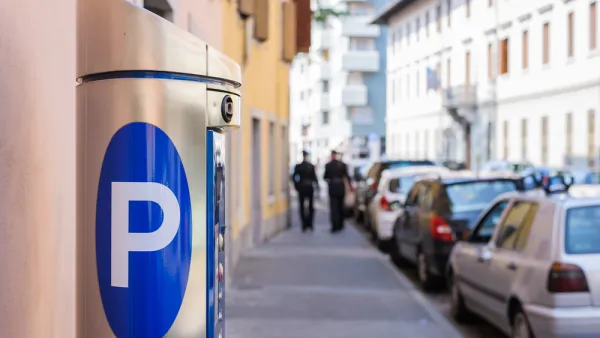
Repurposing Car Parking Can Improve Commerce
In spite of concerns from business owners about losing parking, research shows that retail benefits from better bike and pedestrian infrastructure.
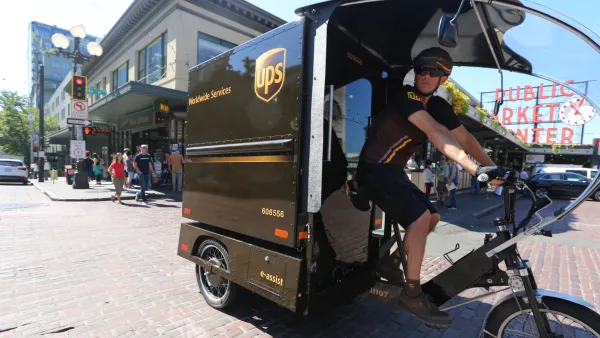
Cargo Bike Pilot Reduces Emissions by 30%
The program deployed electric cargo bikes in a small Seattle neighborhood to test the effectiveness of replacing delivery trucks with lighter vehicles in the last mile of delivery.
How Street Configuration Impacts Equity
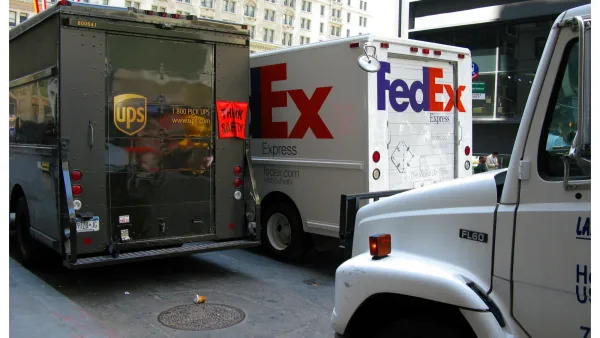
With urban pollution and traffic violence disproportionately affecting communities of color, better management of public space and streets could improve equity in cities.
Next on the List for Data Startups: Managing Curb Space
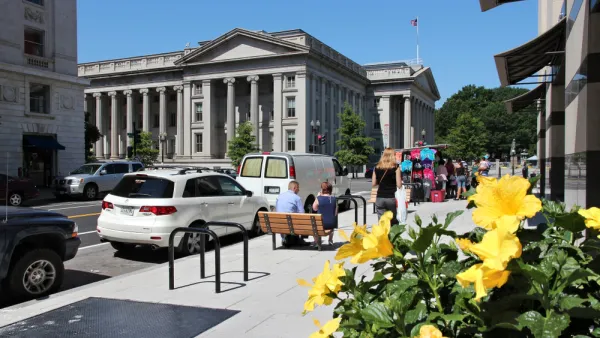
The humble curb is getting crowded: not only with new modes of transportation, but also with a slew of new data tools aiming to keep track of it all.
Scant Examples of Innovative Shipping Delivery Programs
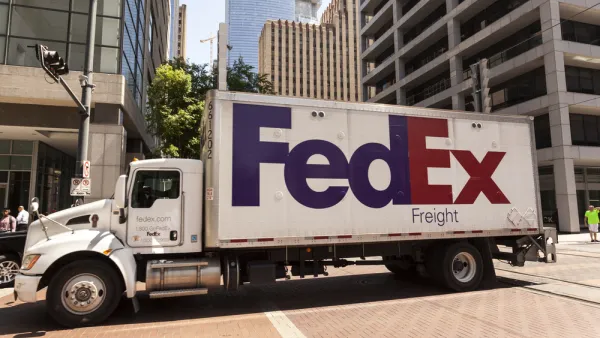
Urban freight deliveries are expected to grow 40 percent by 2050, according to the 2017 Material Handling Industry’s annual report. Cities aren't yet ready to keep up with the changing times.
Uber Wants to Make Urban Mobility More Sustainable
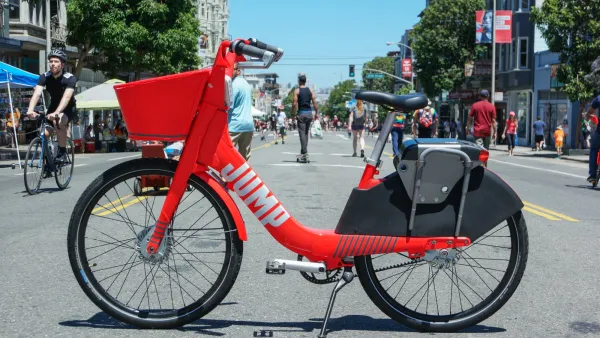
Uber plans to support sustainable mobility by funding advocacy efforts, sharing data, and offering bike-share service.
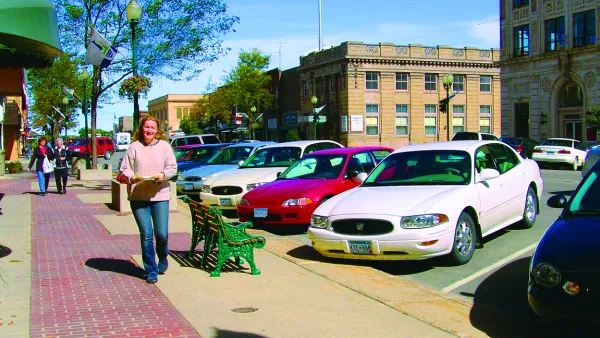
Sidewalks and Footpaths 'Functionally Obsolete' in the Near Transportation Future
With so much attention devoted to how technology will change roadways and vehicles, less speculation has attended to the ways technology will change walking.

FREE Course: Walkable City 1: Why Walkability?
After describing his path towards focusing on walkability as the essence of good planning, Jeff Speck marches through his five principal reasons for making more walkable places.
Reinventing Malls: Planning Alchemy—Turning Gray Fields Into Gold
The course focuses on the opportunities and imperatives that shape reinvention of mall sites.

City of Rosemead
Rutgers University, Edward J. Bloustein School of Planning and Public Policy
One Hundred Miles
University of Michigan School for Environment and Sustainability (SEAS)
Hunter College, City University of New York (CUNY)
The Architects Foundation
City of Cambridge
Montrose County
The Pocatello Development Authority









