A regional transportation tax could be on the 2020 ballot in Portland and surrounding communities in Oregon. How much of that money created by the new tax, should it pass, will go to transit and how much will go to cars is an open question.


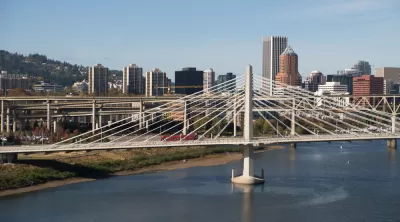
"The multi-billion-dollar regional transportation measure expected to be on the 2020 ballot [in the Portland area] may dedicate 50 percent of funds toward highway and road infrastructure," reports Elise Herron.
The details of the funding structure of the bill are still a work in progress. Herron says some in "car-skeptical" Portland thinks the share of funding devoted to automobile infrastructure is too high.
Lynn Peterson, president of the regional government Metro, says polling is clear on the preference for a 50-50 split.
Rachel Mohahan reported in February on the initial efforts to place a transportation funding measure on the ballot, going into additional detail about the region's transportation funding needs.
Read the full story: Proposed Portland-Area Transportation Measure Could Designate Half of Funds to Highway and Road Infrastructure

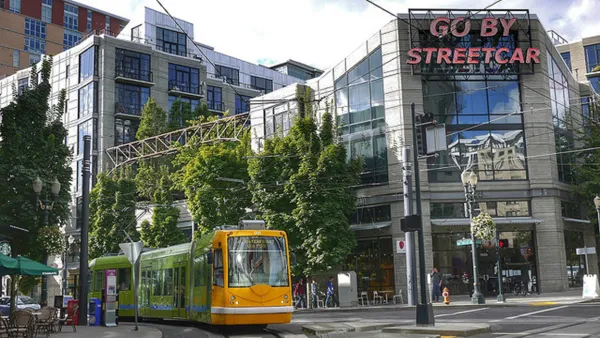
New Details for Portland's Transit Plan as Voters Head to the Polls
Voters in Portland-area voters will decide on a transportation funding measure for the "Get Moving 2020" plan, with details of four bus rapid transit project targeted for funding announced within weeks of the election.
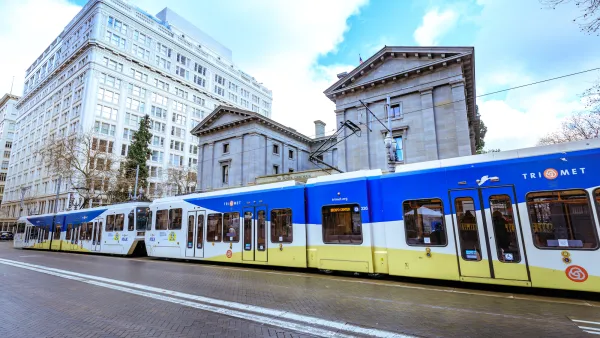
Big Business in Portland Doesn't Want to Pay for Metro Transportation Funding Measure
A heated dispute over a $5 billion Metro transportation funding ballot measure has erupted between climate activists and a group representing Portland's big business interests.
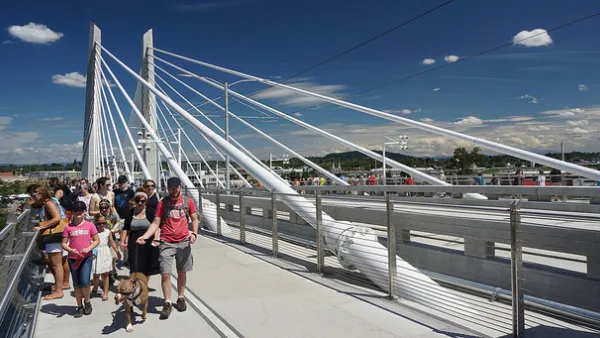
Final Public Comment for Portland Area's $42 Billion Regional Transportation Plan
Oregon Metro's Regional Transportation Plan sets policy and project goals through 2040.

Planetizen Federal Action Tracker
A weekly monitor of how Trump’s orders and actions are impacting planners and planning in America.

California plans to bury El Niño’s downpour
If the state plays its cards right, it may be able to store a billion acre-feet of El Niño’s water in aquifers.

Chicago breaks ground on $3 billion megadevelopment
The new neighborhood, titled Foundry Park, will one day host 3,700 residences.

California High-Speed Rail Authority CEO resigns after $600,000 scandal
Under Ian Choudri, the authority used taxpayer dollars to fund first class flights and trips to nightclubs.

Want to study the Missouri River? Soon, you may need unanimous approval from 10 states
Legislation would require 10 governors’ permission to study or build projects moving water outside the basin.

Desperate measures: Advocates weigh draining Lake Powell to fill Colorado River
Draining the reservoir could reduce evaporation losses by a couple hundred thousand acre-feet.

FREE Course: Walkable City 1: Why Walkability?
After describing his path towards focusing on walkability as the essence of good planning, Jeff Speck marches through his five principal reasons for making more walkable places.
Reinventing Malls: Planning Alchemy—Turning Gray Fields Into Gold
The course focuses on the opportunities and imperatives that shape reinvention of mall sites.

City of Rosemead
Rutgers University, Edward J. Bloustein School of Planning and Public Policy
One Hundred Miles
Hunter College, City University of New York (CUNY)
The Architects Foundation
University of Cincinnati Online
City of Cambridge
Montrose County
The Pocatello Development Authority