Demand for housing in and around Seattle is way up—so much so that the region led the entire country in the number of apartments it has filled so far this year.


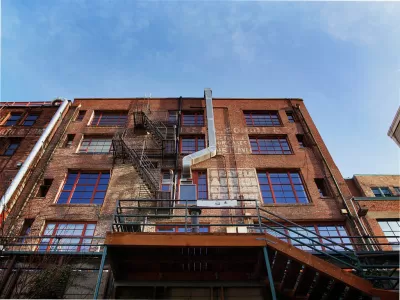
"The Seattle area is filling up new apartments faster than any region in the country, suggesting demand for housing is starting to catch up with the record construction boom," reports Mike Rosenberg. The news is "not a great sign for tenants hoping landlords get desperate and drop rents," adds Rosenberg.
Specifically, 10,000 extra apartments units got tenants in the 12-month period ending in March. In the first three months of this year, Greater Seattle filled about 3,400 new apartment units, more than any other city in the country (not even New York City could keep up).
The data from real-estate data firm RealPage reveals the next chapter in the narrative of simultaneous building and population booms in Seattle.
The new figures offer fresh insight into the years-long, multibillion-dollar experiment being waged by developers as they build more apartments in the city of Seattle this decade than in the previous half-century combined, betting on the long-term economic health of the region. Will enough renters eventually materialize to fill them, or will the city have a skyline of empty ghost apartments?
For while it looked like perhaps Seattle developers had built beyond the demand for housing in the region, but now housing is filling up as quickly as it can be built, according to Rosenberg.
FULL STORY: Renter boom: Apartments filling up faster in Seattle area than anywhere in the U.S.

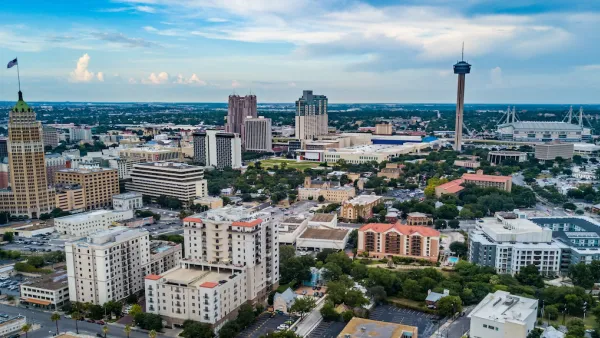
Commentary: San Antonio Needs ‘Thoughtful Reforms’ to Improve Affordability
The growing Texas city needs a new approach to meet its residents’ housing and mobility needs.
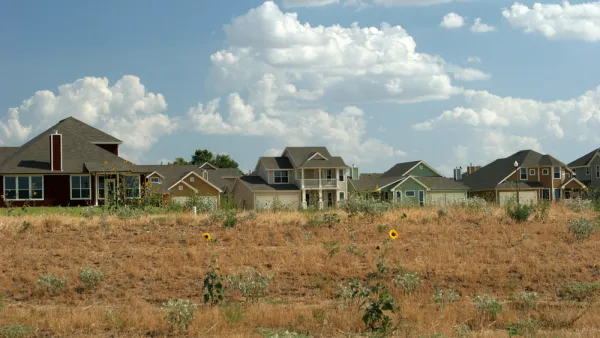
Texas Housing Market Starting to Resemble the California Housing Market
The hordes of people moving to Texas every year could soon encounter the same kinds of housing affordability challenges they left behind.
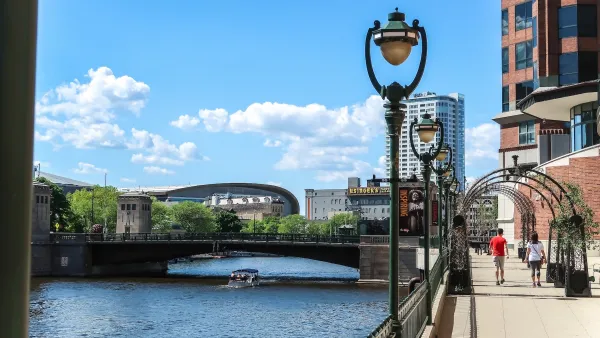
Wisconsin's declining population reduces housing needs by almost 50%
The state's working age population declined by over 25,000 people between 2020 and 2024.

The state-sanctioned urbicide of Austin
People don’t kill cities. Freeways do.

US to reduce Colorado River water deliveries to Mexico
A new Colorado Treaty amendment reduces Mexico’s Colorado River water allocation by 250,000 acre feet.

New Jersey’s second-largest city bans standalone data centers
Jersey City will continue to allow co-location facilities, such as those meant for research institutions that store their own data.

Amtrak not solely to blame for New Jersey commuter rail's unreliability, report finds
A new study from the Garden State Initiative found that NJ Transit’s budget grew 20% across a 4 year period, but reliability declined significantly over the same period.

EPA erases limits on planet-warming pollution from power plants
Under Monday’s plan, power plants would still have some limits on how much mercury, arsenic and other contaminants they can emit.

Phoenix announces new on-demand transit service, more frequent RAPID buses
Both new services will launch in October, and are part of Phoenix's Project Effective Access Solutions for Easing Congestion.

FREE Course: Walkable City 1: Why Walkability?
After describing his path towards focusing on walkability as the essence of good planning, Jeff Speck marches through his five principal reasons for making more walkable places.
Reinventing Malls: Planning Alchemy—Turning Gray Fields Into Gold
The course focuses on the opportunities and imperatives that shape reinvention of mall sites.

Eagle County Government
Harvard University Graduate School of Design
Nashville Planning Department
The Architects Foundation
University of Cincinnati Online
The Pocatello Development Authority
The Urban Renewal Agency of the City of Pocatello
Journal of the American Planning Association