Voters in Lincoln, Nebraska have decided to tax sales in the city to fund repairs of residential streets and to add new streets on the periphery of the city to encourage growth.


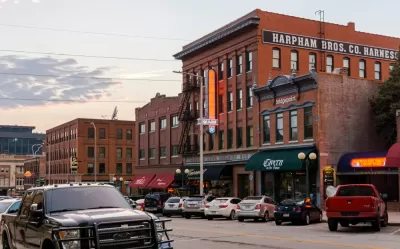
"In a very close vote, Lincolnites approved a quarter-cent city sales tax hike Tuesday that will add a penny to the cost of a $4 cup of coffee and bring in an estimated $13 million a year for improved streets for the next six years," reports Nancy Hicks from Nebraska.
"The language on the ballot requires the city to use the money only for street improvements, not for sidewalks, trails or signals. It also requires the city to spend at least 25% of the money on new construction that promotes growth," according to Hicks.
In further evidence of the city's commitment to building new and expanded road capacity, the new tax grew out of a "citizen task force that that concluded the city needed more than $30 million a year to catch up on street repairs and add new or wider streets at the city edges."
Read the full story: Lincoln voters approve quarter-cent sales tax for streets

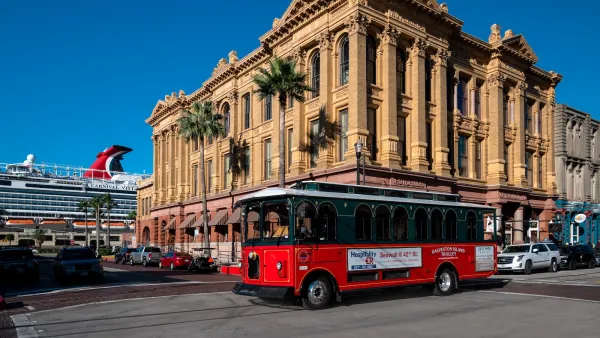
A Historic Texas Beach Town Faces Existential Growth Questions
Galveston, Texas is growing — and so are questions about its land use strategy.
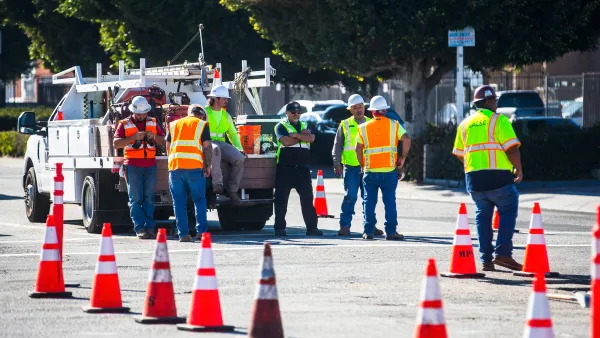
Commentary: LA’s ‘Large Asphalt Repair’ Policy Privileges Drivers, Endangers Others
A new policy to perform spot repairs rather than resurfacing entire streets lets the city skirt requirements to install accessibility and pedestrian infrastructure.
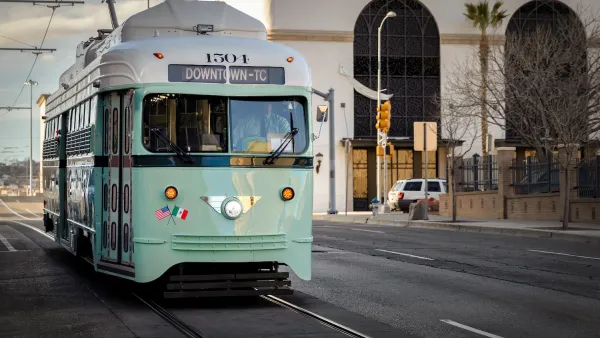
TxDOT Makes ‘Stunning Acknowledgement:’ Texas Needs More Transit
The agency issued a Statewide Multimodal Transit Plan that calls for more public transit options within and between major cities and in rural areas.

Planetizen Federal Action Tracker
A weekly monitor of how Trump’s orders and actions are impacting planners and planning in America.

The state-sanctioned urbicide of Austin
People don’t kill cities. Freeways do.

US to reduce Colorado River water deliveries to Mexico
A new Colorado Treaty amendment reduces Mexico’s Colorado River water allocation by 250,000 acre feet.

Nation's most wind-powered state turns to coal as data centers increase energy demand
For the first time in decades, Iowa has increased its generation of coal power.

NYC cools commuters with city's first rain garden above a bus stop
New York City officials say the plants in the rain garden can absorb 16 gallons of rainwater during heavy storms.

Brightline West’s future may rely on $6 billion federal loan
The company has until Nov. 2 to make a $400 million equity investment into its proposed high-speed rail line.

FREE Course: Walkable City 1: Why Walkability?
After describing his path towards focusing on walkability as the essence of good planning, Jeff Speck marches through his five principal reasons for making more walkable places.
Reinventing Malls: Planning Alchemy—Turning Gray Fields Into Gold
The course focuses on the opportunities and imperatives that shape reinvention of mall sites.

Eagle County Government
Harvard University Graduate School of Design
Nashville Planning Department
The Architects Foundation
University of Cincinnati Online
The Pocatello Development Authority
The Urban Renewal Agency of the City of Pocatello
Journal of the American Planning Association