Suburban Gwinnett County could change the course of its history by finally voting to connect to the Atlanta region's transit network.


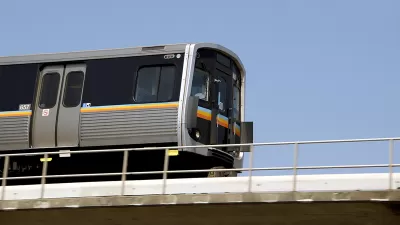
Amanda C. Coyne seizes the opportunity provided by the potentially historic vote to provide a detail explanation of the 167-page transit plan voters are considering.
The "Connect Gwinnett Transit Plan" [pdf] would add heavy rail; bus rapid transit; local, rapid, and express bus service; vanpools; flex service; and paratransit service. Fleet upgrades, bike and pedestrian improvements, and transportation network company subsidies are also proposed in the plan.
Coyne describes a "big picture" assessment of the plan and breaks down the plan's components by local geography and on timelines reaching 30 years into the future. Voting will continue for several weeks, with results expected on March 19.
Planetizen correspondent Irvin Dawid provided additional coverage of the referendum when the plan was made public in the summer of 2018.
FULL STORY: How would MARTA in Gwinnett affect your neighborhood? Here’s the plan.

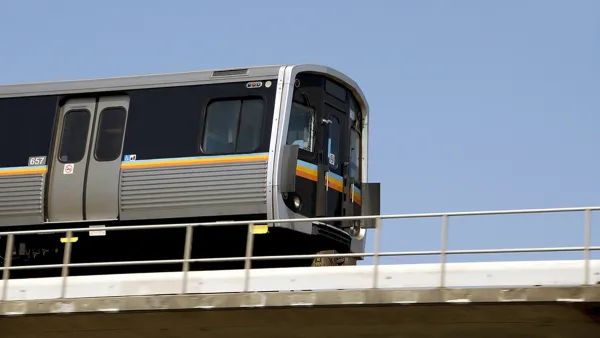
Suburban Atlanta Rejects Transit, Again
The third time was not the charm for a transit sales tax in Gwinnett County, Georgia.

Why Gwinnett County Rejected a Transit Tax Again
Coronavirus and a heavy rail project doomed a transit sales tax in Gwinnett County, Georgia, according to this election post-mortem.
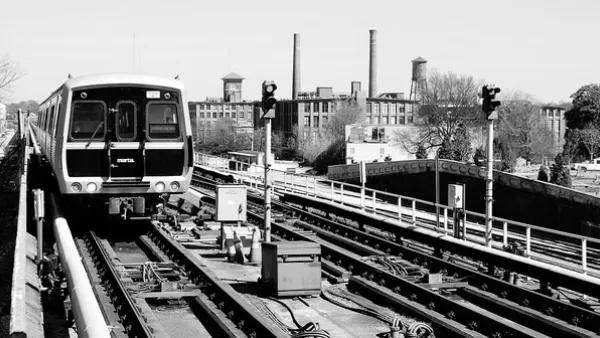
Transit Sales Tax Hinges on Local Control in Suburban Atlanta
Gwinnett County voters living have rejected proposals to pay taxes for the MARTA transit system before, so the latest proposal for a transit sales tax is going to great lengths to prove its local control bonafides.

The state-sanctioned urbicide of Austin
People don’t kill cities. Freeways do.

US to reduce Colorado River water deliveries to Mexico
A new Colorado Treaty amendment reduces Mexico’s Colorado River water allocation by 250,000 acre feet.

New Jersey’s second-largest city bans standalone data centers
Jersey City will continue to allow co-location facilities, such as those meant for research institutions that store their own data.

Amtrak not solely to blame for New Jersey commuter rail's unreliability, report finds
A new study from the Garden State Initiative found that NJ Transit’s budget grew 20% across a 4 year period, but reliability declined significantly over the same period.

EPA erases limits on planet-warming pollution from power plants
Under Monday’s plan, power plants would still have some limits on how much mercury, arsenic and other contaminants they can emit.

Phoenix announces new on-demand transit service, more frequent RAPID buses
Both new services will launch in October, and are part of Phoenix's Project Effective Access Solutions for Easing Congestion.

FREE Course: Walkable City 1: Why Walkability?
After describing his path towards focusing on walkability as the essence of good planning, Jeff Speck marches through his five principal reasons for making more walkable places.
Reinventing Malls: Planning Alchemy—Turning Gray Fields Into Gold
The course focuses on the opportunities and imperatives that shape reinvention of mall sites.

Eagle County Government
Harvard University Graduate School of Design
Nashville Planning Department
The Architects Foundation
University of Cincinnati Online
The Pocatello Development Authority
The Urban Renewal Agency of the City of Pocatello
Journal of the American Planning Association