A new report focuses on the consequences of gentrification in Vancouver's Chinatown neighborhood.


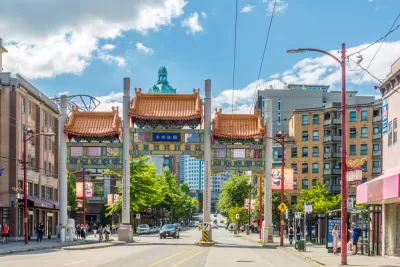
Wanyee Li reports on the changes taking place in Vancouver's Chinatown neighborhood.
A hipster vegan grocery store has set up shop across from a Chinese butcher in Vancouver’s Chinatown — just one example of rapid change in the neighbourhood.
Chinatown used to consist predominantly of businesses that catered to the Chinese-Canadian population. But the area’s new-found diversity has hindered social cohesion, according to a new report from the Hua Foundation, as newcomers are having trouble integrating into the existing community.
The report focuses mainly on the divides between Chinatown's food systems and parallel food systems in the outside of Vancouver. Gentrification is deepening the divides, according to Li's description of the report.
"The Hua Foundation’s report found many traditional businesses do not share supply chains or customers with non-traditional businesses," according to Li. "This disconnect between different neighbourhood groups doesn’t bode well for the increasingly diverse community, Huang said, echoing other experts who argue social cohesion can build resilience against everything from high housing prices to natural disasters."
FULL STORY: Rift in Vancouver’s Chinatown keeping newcomers and longtime businesses apart, report suggests

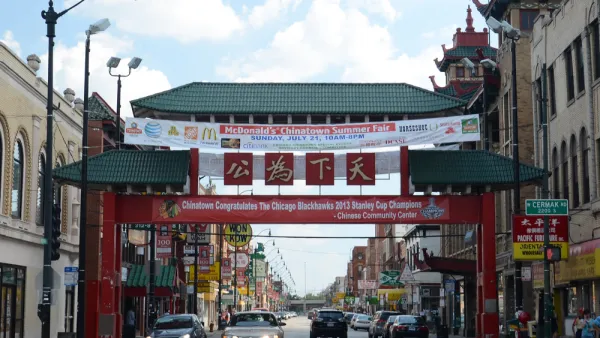
Chicago Chinatown's an Outlier of Success
While the cultural authenticity and geographic footprint of Chinatowns around the United States shrink, Chicago's is growing. What can other cities learn from Chicago's model?

Urban Farming Addressing Hunger (and More) in Pittsburgh
Urban farming provides opportunities to increase food security in addition to other benefits.
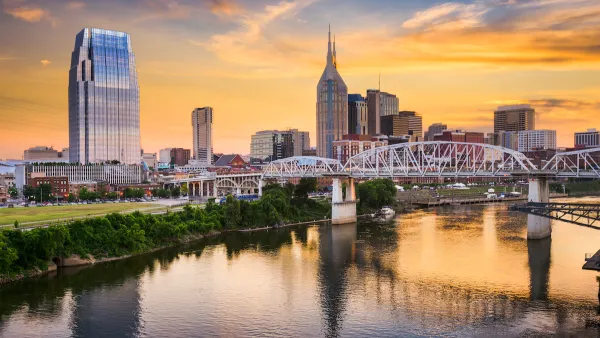
Plans for Nashville’s First Chinatown Underway
Developers are working on a new cultural commercial development that will offer unique Asian architecture, culture, shopping, restaurant, and retail services to Nashvillians and visitors from surrounding cities and states.

The state-sanctioned urbicide of Austin
People don’t kill cities. Freeways do.

US to reduce Colorado River water deliveries to Mexico
A new Colorado Treaty amendment reduces Mexico’s Colorado River water allocation by 250,000 acre feet.

New Jersey’s second-largest city bans standalone data centers
Jersey City will continue to allow co-location facilities, such as those meant for research institutions that store their own data.

Amtrak not solely to blame for New Jersey commuter rail's unreliability, report finds
A new study from the Garden State Initiative found that NJ Transit’s budget grew 20% across a 4 year period, but reliability declined significantly over the same period.

EPA erases limits on planet-warming pollution from power plants
Under Monday’s plan, power plants would still have some limits on how much mercury, arsenic and other contaminants they can emit.

Phoenix announces new on-demand transit service, more frequent RAPID buses
Both new services will launch in October, and are part of Phoenix's Project Effective Access Solutions for Easing Congestion.

FREE Course: Walkable City 1: Why Walkability?
After describing his path towards focusing on walkability as the essence of good planning, Jeff Speck marches through his five principal reasons for making more walkable places.
Reinventing Malls: Planning Alchemy—Turning Gray Fields Into Gold
The course focuses on the opportunities and imperatives that shape reinvention of mall sites.

Eagle County Government
Harvard University Graduate School of Design
Nashville Planning Department
The Architects Foundation
University of Cincinnati Online
The Pocatello Development Authority
The Urban Renewal Agency of the City of Pocatello
Journal of the American Planning Association