While the cultural authenticity and geographic footprint of Chinatowns around the United States shrink, Chicago's is growing. What can other cities learn from Chicago's model?


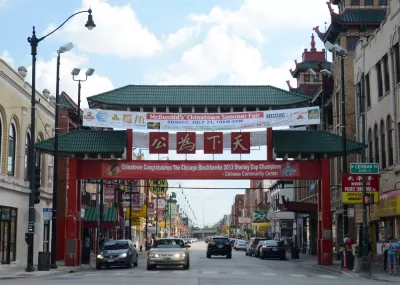
"At a time when traditional urban Chinatowns in Manhattan, San Francisco, Boston and Philadelphia are fading due to gentrification and changing cultural landscapes, Chicago's Chinatown is growing larger," according to article by Marwa Elgaouri.
Chicago's Chinatown has even become a model for how to ensure the success of Chicago elsewhere in the United States. According to Elgaouri, planners in Chicago have recognized and encouraged the strengths in Chicago: "In 2013, the Chicago Metropolitan Agency for Planning announced a plan to preserve Chinatown's cultural identity by improving public education and elderly care, bolstering transportation infrastructure and creating more public parks." The effort includes additional public investments.
Elgaouri also includes information about the declines of Chinatowns in the United States—a storyline Planetizen has tracked since 2001, again in detail in 2007, and finally again during the most recent wave of gentrification and displacement in cities around the United States.
Read the full story: Here's why Chicago's Chinatown is booming, even as others across the U.S. fade


Equitable Development Plan Aims To Protect Philly's Chinatown
As the historic neighborhood experiences increased redevelopment around the new Rail Park, community activists are working to ensure older residents and businesses aren't displaced in the process.
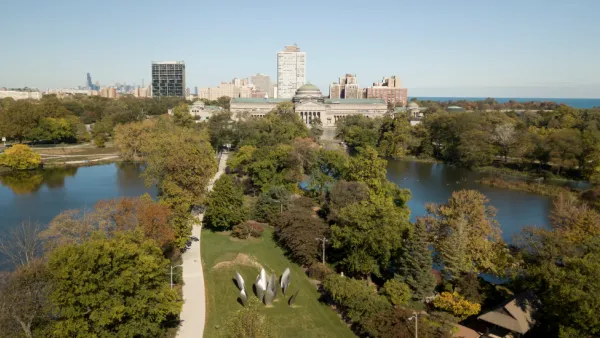
Obama Library Displacement Concerns: City Council Falls Short of Local Demands
The Chicago City Council has approved an ordinance intended to protect residents of the neighborhoods surrounding the planned Barack Obama Presidential Center.
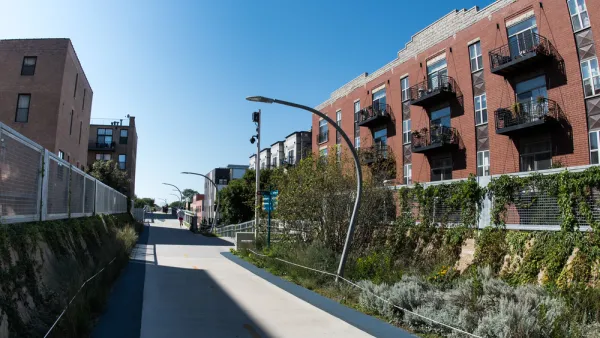
More Cities Pressing Pause on Development as Gentrification, Displacement Concerns Persist
Chicago and Atlanta both approved development moratoriums in areas surrounding new urban amenities this year. Other cities could soon add to the number.

Planetizen Federal Action Tracker
A weekly monitor of how Trump’s orders and actions are impacting planners and planning in America.

Amtrak, CN end decades-long dispute with eight-year agreement
The new operating agreement establishes an updated framework for the companies to work together, including processes to resolve disputes.

Judges permit Denver to divert 77,000 acre feet from the Colorado River for reservoir expansion
Overuse and climate change have caused the Colorado River’s water levels to plummet.

NYC DOT wants faster, more permanent street upgrades
The city is examining ways to build more concrete infrastructure without getting entangled in 'decades-long' projects.

'Something we’ve never seen before:' rising utility rates could strain city finances nationwide
Data centers, climate change and other factors have caused utility rates in the United States to increase by 38% since 2020.

Trump to overrule local leaders, lease millions of acres of America’s Pacific Island territories’ seafloors to mining companies
International law says that the Indigenous people of America’s territories have a right to prior and informed consent regarding projects that impact their countries.

FREE Course: Walkable City 1: Why Walkability?
After describing his path towards focusing on walkability as the essence of good planning, Jeff Speck marches through his five principal reasons for making more walkable places.
Reinventing Malls: Planning Alchemy—Turning Gray Fields Into Gold
The course focuses on the opportunities and imperatives that shape reinvention of mall sites.

Harvard University Graduate School of Design
KFH Group Inc.
Greater Baltimore Committee
The Architects Foundation
University of Cincinnati Online
The Pocatello Development Authority
The Urban Renewal Agency of the City of Pocatello