Food Security
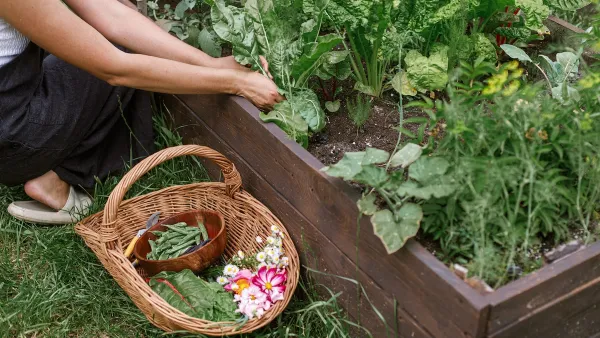
Urban Farming Addressing Hunger (and More) in Pittsburgh
Urban farming provides opportunities to increase food security in addition to other benefits.
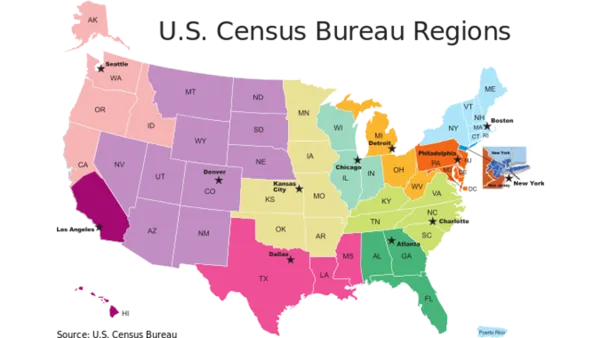
New Weekly Survey from U.S. Census Bureau Provides Crucial Insight for Recovery Efforts
Weekly releases of key data sets illustrate the impact of the coronavirus pandemic on U.S. citizens as a U.S. Census Bureau effort to enable data-driven decision-making in recovery planning.
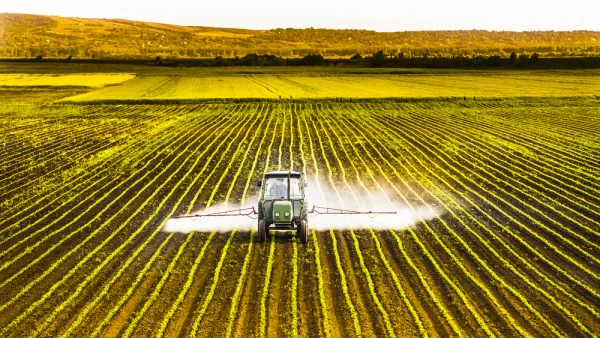
Land Use the Subject of Latest IPCC Report
Not urban land use, but in the literal sense: land used to produce food, graze livestock, supply drinking water, grow trees, and sequester carbon. As the climate warms and the population grows, crop yields will decrease and land will be degraded.
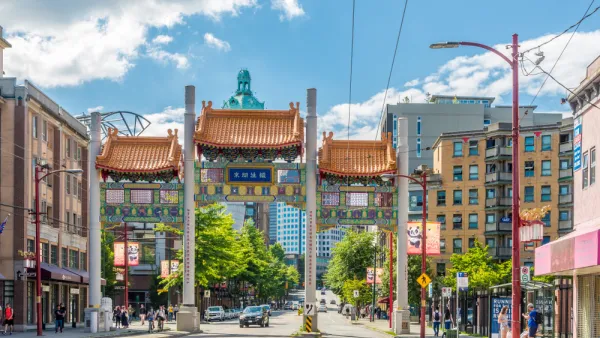
Gentrification in Chinatown Harms Social Cohesion, Food Security
A new report focuses on the consequences of gentrification in Vancouver's Chinatown neighborhood.
Urban Agriculture Projects in Chicago Show the Way
Successful Chicago urban agriculture projects on rooftop, in edible lawn, and at a school reviewed by resilience consultant Dave Hampton.
British Food Production Wanes; Should the Government Step In?
"If all the food produced in the UK in a year were stored and eaten from January 1, the 'cupboard' would be bare by August 14" suggests the National Farmers Union. Advocates urge the government to help farmers produce more of the country's food.
Will Vancouver Lose It's Farming Mojo?
Vancouver has the most farmland and farmers in North America. However, as Vancouver booms, the thriving agricultural belt that surrounds Greater Vancouver is at risk from an expanding city.
Los Angeles Digs In with City Farming
A Los Angeles-based farming company aims to bring fresh, locally grown food to communities all around the city and transform their work into a political statement to shine a spotlight on sustainable practices.
Sweden's Cutting-Edge, 17-Story Greenhouse
Julie Ma investigates how one Swedish company is paving the way for a new urban food system that aims to increase one city's self-sufficiency.
Food Trends
A comment I hear frequently from planners is that the focus on food and planning is “trendy”. I must admit that this puzzles me quite a bit. Professional planners in rural areas have concentrated on planning for agriculture – food planning – for decades. Before we had professional planners, human populations planned their communities around food, whether they were planning how best to follow herds for hunting, structuring early agricultural societies, or developing the first cities where food proximity and trade were central considerations.
Feeding the Hungry from the Backyard
One solution to urban food security is surprisingly simple: gathering fruit from backyard trees.
Canada's 'Food Deserts'
A new study shows that supermarkets have migrated away from Canada's central and poorer neighborhoods, turning them into 'food deserts' with minimal access to more expensive food.

FREE Course: Walkable City 1: Why Walkability?
After describing his path towards focusing on walkability as the essence of good planning, Jeff Speck marches through his five principal reasons for making more walkable places.
Reinventing Malls: Planning Alchemy—Turning Gray Fields Into Gold
The course focuses on the opportunities and imperatives that shape reinvention of mall sites.

City of Rosemead
Rutgers University, Edward J. Bloustein School of Planning and Public Policy
One Hundred Miles
Hunter College, City University of New York (CUNY)
The Architects Foundation
University of Cincinnati Online
City of Cambridge
Montrose County
The Pocatello Development Authority









