In cities around the country, Lyft is launching green, multimodal initiatives aimed at providing "all of the above" transportation options.


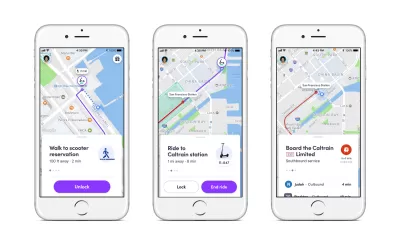
It's a busy time for the nation's second-biggest ride-hailing company. Lyft recently set a goal of 100 percent renewable energy and carbon neutrality, integrated scooters and public transit info into its mobile app, and delivered its five-thousandth ride in an autonomous vehicle as part of a Las Vegas pilot program.
In an interview with The Planning Report, Lyft's transportation policy head Lilly Shoup outlines where the platform's multimodal expansion is headed and how the company views its relationship with cities, especially in light of a growing trend of first/last-mile partnerships between ride-hailing services and public transit agencies.
The new initiatives serve Lyft's overarching goals of "decoupling the right to mobility from auto ownership" and reducing vehicle miles traveled, Shoup says. In that vein, scooter and bikesharing operations will be structured around four key policy principles: transportation equity, Vision Zero, transit integration, and environmental sustainability.
When it comes to filling in first/last-mile gaps in public transit service, Shoup says the company will likely focus on "lower-density suburban areas, where it's less efficient to run a bus service." That approach echoes the recommendations of a recent survey of such partnerships around the country.
Read the full interview in The Planning Report.
FULL STORY: Lyft's Lilly Shoup on Crafting a 'Full Mobility Package'

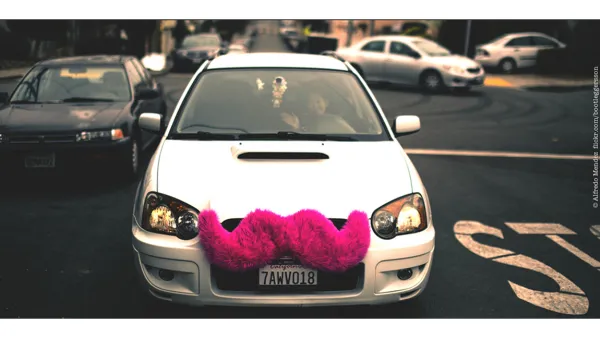
Next Steps in Lyft's 'Evolution': Public Partnerships, Fixed Routes, Autonomous Fleets
Lyft's Emily Castor Warren situates the company's newest initiatives within the "rapid pace of innovation" occurring in transportation.
Ride-Hailing Companies Eye Public Transit Opportunities for the Wrong Reasons
Uber and Lyft say they want to improve public transit, but the focus on profit could have serious consequences.
More Transit Agencies Partnering with Ride-Hailing Companies
New research finds that, done right, working with ride-hailing companies can save public agencies money.

The state-sanctioned urbicide of Austin
People don’t kill cities. Freeways do.

US to reduce Colorado River water deliveries to Mexico
A new Colorado Treaty amendment reduces Mexico’s Colorado River water allocation by 250,000 acre feet.

New Jersey’s second-largest city bans standalone data centers
Jersey City will continue to allow co-location facilities, such as those meant for research institutions that store their own data.

Amtrak not solely to blame for New Jersey commuter rail's unreliability, report finds
A new study from the Garden State Initiative found that NJ Transit’s budget grew 20% across a 4 year period, but reliability declined significantly over the same period.

EPA erases limits on planet-warming pollution from power plants
Under Monday’s plan, power plants would still have some limits on how much mercury, arsenic and other contaminants they can emit.

Phoenix announces new on-demand transit service, more frequent RAPID buses
Both new services will launch in October, and are part of Phoenix's Project Effective Access Solutions for Easing Congestion.

FREE Course: Walkable City 1: Why Walkability?
After describing his path towards focusing on walkability as the essence of good planning, Jeff Speck marches through his five principal reasons for making more walkable places.
Reinventing Malls: Planning Alchemy—Turning Gray Fields Into Gold
The course focuses on the opportunities and imperatives that shape reinvention of mall sites.

Eagle County Government
Harvard University Graduate School of Design
Nashville Planning Department
The Architects Foundation
University of Cincinnati Online
The Pocatello Development Authority
The Urban Renewal Agency of the City of Pocatello
Journal of the American Planning Association