The region hopes to achieve widespread electrification of transportation ahead of the 2028 Olympics.


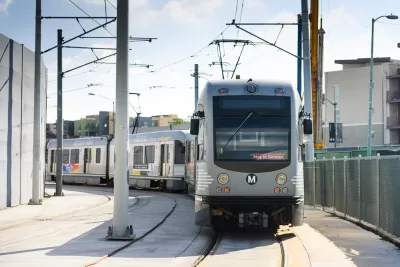
A new plan being developed by the city and county of Los Angeles, regional utilities, and car companies aims to significantly reduce emissions and air pollution from the transportation sector over the next 10 years. The Zero Emissions 2028 Roadmap focuses primarily on electrification of passenger vehicles and heavy-duty vehicles, like public buses and freight trucks, as well as encouraging shared and active transportation modes. Adele Peters reports in Fast Company:
In 10 years, according to the Zero Emissions 2028 Roadmap … as many as 45% of private cars and trucks will be electric. They’ll use as many as 130,000 new public chargers. Between 50% and 100% of shared cars will be electric. All new buses will be electric; the entire bus fleet will be between 80% and 100% electric. Semis at the ports of Los Angeles and Long Beach will begin to shift to electric power. Between 25% and 50% of delivery trucks will be electric. Delivery drones, if they appear, will also be electric.
Peters notes that the plan is still being fleshed out, with some targets still vaguely defined. Next year, a second road map is expected to be released with more specific goals and concrete action recommendations.
FULL STORY: L.A. is making a massive push toward zero-emissions transportation

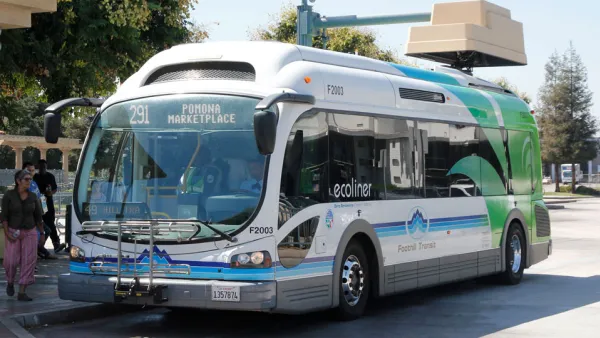
How U.S. Cities Are Taking Climate Action
A new survey identified the top climate strategies favored by municipalities around the country.
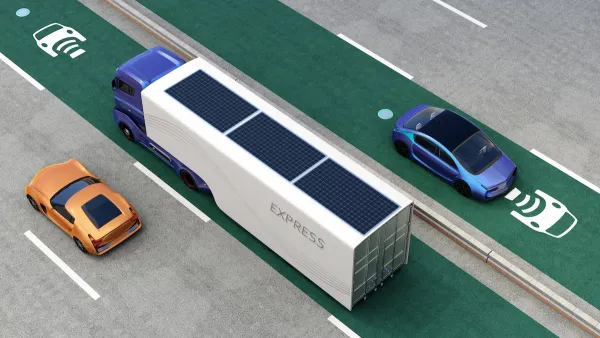
UCLA Will Build California’s First EV Charging Roadway
The ¾-mile segment will allow electric shuttles and buses to charge while driving.
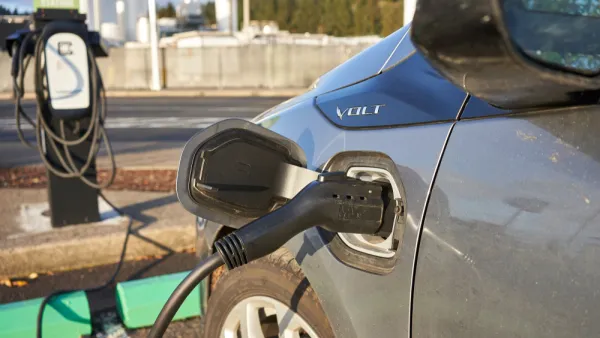
Biden's New Climate Plan Would Spend $2 Trillion in Four Years
Biden is amping up his campaign promises to leverage the federal government in the fight to reduce greenhouse emissions in the U.S. economy.

Planetizen Federal Action Tracker
A weekly monitor of how Trump’s orders and actions are impacting planners and planning in America.

The state-sanctioned urbicide of Austin
People don’t kill cities. Freeways do.

US to reduce Colorado River water deliveries to Mexico
A new Colorado Treaty amendment reduces Mexico’s Colorado River water allocation by 250,000 acre feet.

5 New England states march closer to 800 megawatt wind energy project
Securing federal approval for the project may be complicated under the Trump administration, which has historically been hostile towards domestic wind power.

Baltimore to break ground on $50 million Transit Priority Project
The project will bring faster bus trips, safer streets and better bike connections to Baltimore.

Airbnb launches $250 million 'last-dollar financing' housing accelerator, makes first investment in Austin
The company will put $6.4 million towards affordable housing development in Texas’ capital.

FREE Course: Walkable City 1: Why Walkability?
After describing his path towards focusing on walkability as the essence of good planning, Jeff Speck marches through his five principal reasons for making more walkable places.
Reinventing Malls: Planning Alchemy—Turning Gray Fields Into Gold
The course focuses on the opportunities and imperatives that shape reinvention of mall sites.

Eagle County Government
Harvard University Graduate School of Design
Nashville Planning Department
The Architects Foundation
University of Cincinnati Online
The Pocatello Development Authority
The Urban Renewal Agency of the City of Pocatello
Journal of the American Planning Association