More than half of American tenants are rent-burdened, putting them at risk of displacement. A national collaboration with PolicyLink hopes to help.



City leaders from around the United States will collaborate on policies to prevent displacement and promote equitable development through a new initiative from PolicyLink. As part of the All-In Cities Anti-Displacement Policy Network, teams from ten cities will study tenant protections, community land trusts, commercial neighborhood stabilization, and inclusionary zoning, according to Curbed's Patrick Sisson.
The cities are sending top brass to join the effort, with teams comprising mayors, city councilmembers, and senior city staff, as well as community leaders. They will confer with national experts through the network.
Sisson notes that for now, the group's anti-displacement work may be primarily defensive, as housing aid and Fair Housing protections won in the Obama era face threats from the Trump administration.
The ten member cities are: Austin; Boston; Buffalo; Denver; Nashville; Philadelphia; Portland, Oregon; San José; Santa Fe; and Minneapolis-Saint Paul.
FULL STORY: New anti-displacement network to help cities experiment with anti-eviction policy


Kids and Urbanization
The question of whether there is space for children in rapidly changing cities was under investigation in two recent studies with somewhat contradictory findings.
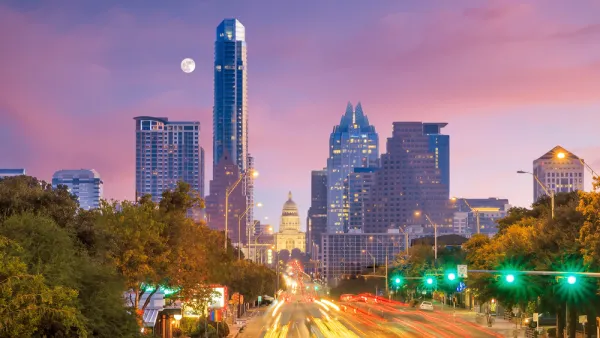
Austin Employs Team to Help Residents Avoid Displacement
The city’s new Displacement Prevention Navigators will conduct outreach and assist with finding resources to help cost-burdened residents at risk of losing their housing stay in their homes.
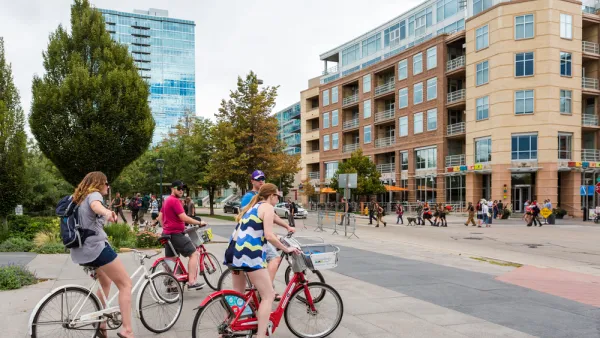
Opinion: Denver Needs New Direction on Housing
A Denver writer calls attention to the city's worsening housing affordability, gentrification, and displacement challenges, and prescribes a YIMBY response.

Planetizen Federal Action Tracker
A weekly monitor of how Trump’s orders and actions are impacting planners and planning in America.

The state-sanctioned urbicide of Austin
People don’t kill cities. Freeways do.

US to reduce Colorado River water deliveries to Mexico
A new Colorado Treaty amendment reduces Mexico’s Colorado River water allocation by 250,000 acre feet.

Airbnb launches $250 million 'last-dollar financing' housing accelerator, makes first investment in Austin
The company will put $6.4 million towards affordable housing development in Texas’ capital.

Guerilla urbanists are building DIY bus stop benches in Chicago
A before-and-after of one of the bus stops with a new bench. The new benches are not officially sanctioned or permitted, but the residents who placed them hope they will be the start of a network of DIY benches across the city.

Mamdani overhauls NYC's Vision Zero plan with 100 new policy goals
The overhaul aims to reduce traffic deaths and make streets safer for pedestrians, cyclists and drivers through lower speed limits, new safety infrastructure and more.

FREE Course: Walkable City 1: Why Walkability?
After describing his path towards focusing on walkability as the essence of good planning, Jeff Speck marches through his five principal reasons for making more walkable places.
Reinventing Malls: Planning Alchemy—Turning Gray Fields Into Gold
The course focuses on the opportunities and imperatives that shape reinvention of mall sites.

Eagle County Government
Harvard University Graduate School of Design
Nashville Planning Department
The Architects Foundation
University of Cincinnati Online
The Pocatello Development Authority
The Urban Renewal Agency of the City of Pocatello
Journal of the American Planning Association