Following a city council vote, Seattle's moving forward with a $600 million plan to renovate KeyArena in the hopes of attracting hockey and men's basketball.


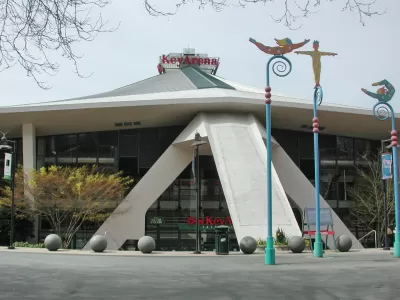
[Updated January 3, 2018] Following a previous proposal that died in the Seattle City Council last year, a new bid to update the city's arena has been approved. Hayat Norimine writes, "The $600 million plan by Los Angeles-based Oak View Group is all but done—to get the new arena constructed by October 2020, in time for the 2020-2021 NHL season. And the planners believe that if they can get hockey, they can also attract men's basketball."
Seattle has been without a basketball team since 2008, when the Sonics relocated to Oklahoma City, where they now play as the Oklahoma City Thunder. As for the role of the KeyArena in the team's departure, Norimine writes, "The arena as is became too small and limited profits for the team."
Next steps include completing an environmental impact statement and applying for designation on both on the Washington Heritage Register and National Register of Historic Places. "If the arena's accepted, that would qualify OVG to get federal tax credits and use that money to finance part of the project."
Read the full story: Durkan Signs KeyArena Renovation Plan


Seattle Needs Walk-Up Testing for People Without Access to Cars
Disability rights advocates and people who rely on public transit put pressure on Mayor Jenny Durkan to develop a plan for pedestrian access to coronavirus testing centers in Seattle.
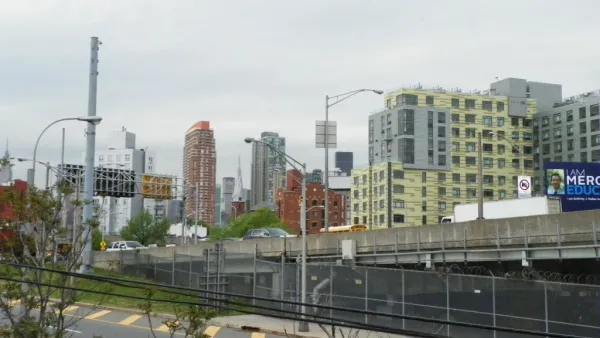
Post-Mortem: Why Amazon Canceled the Queens HQ2
New York City and State offered up nearly $3 billion in incentives to lure Amazon and its 25,000 high-paying jobs to Queens only to see the tech company cancel their plans after local opposition materialized. Was their retreat too hasty?
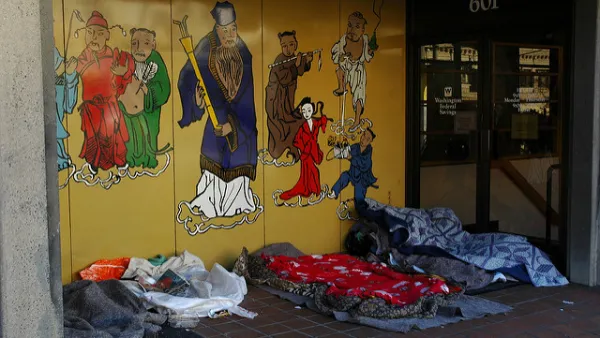
The Cost of Solving Homelessness in Seattle: $400 Million
It’s "dramatically higher" than any number under discussion, and not even close to what the city will raise with its new tax on large businesses.

Planetizen Federal Action Tracker
A weekly monitor of how Trump’s orders and actions are impacting planners and planning in America.

The state-sanctioned urbicide of Austin
People don’t kill cities. Freeways do.
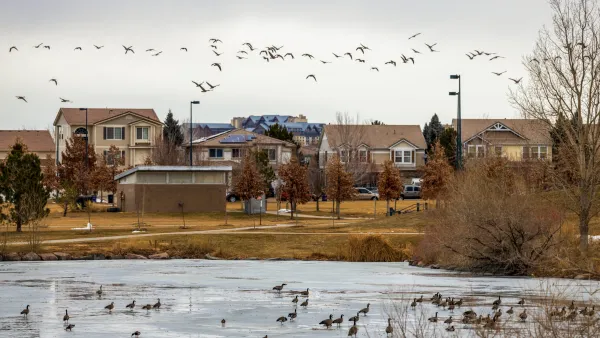
Colorado’s Largest Data Center Could Rise Next to Homes — Without a Public Hearing
The proposed campus would consume 11 times the power of Denver International Airport; as it has across the country, opposition mounts.

Nation's most wind-powered state turns to coal as data centers increase energy demand
For the first time in decades, Iowa has increased its generation of coal power.

NYC cools commuters with city's first rain garden above a bus stop
New York City officials say the plants in the rain garden can absorb 16 gallons of rainwater during heavy storms.

Brightline West’s future may rely on $6 billion federal loan
The company has until Nov. 2 to make a $400 million equity investment into its proposed high-speed rail line.

FREE Course: Walkable City 1: Why Walkability?
After describing his path towards focusing on walkability as the essence of good planning, Jeff Speck marches through his five principal reasons for making more walkable places.
Reinventing Malls: Planning Alchemy—Turning Gray Fields Into Gold
The course focuses on the opportunities and imperatives that shape reinvention of mall sites.

Greater Baltimore Committee
Eagle County Government
Harvard University Graduate School of Design
The Architects Foundation
University of Cincinnati Online
The Pocatello Development Authority
The Urban Renewal Agency of the City of Pocatello
Journal of the American Planning Association