Land Use

Boise’s New Planning Director Warns Against 'Dysfunctional Highways'
On the heels of his stint as Atlanta’s planning director, Tim Keane says Boise should avoid following in the path of American cities that have let highway expansion and sprawl go unchecked for decades.

Voters Reject Atlanta-Area Cityhood Proposals
After local activists whipped up concerns about forced density to promote cityhood for three wealthy Atlanta suburbs, residents voted to remain in unincorporated Cobb County.

Zoning Reform Gains Momentum in Northern Virginia
Arlington County and Alexandria are moving forward with actions that could potentially launch a new era of planning and development in their respective communities.
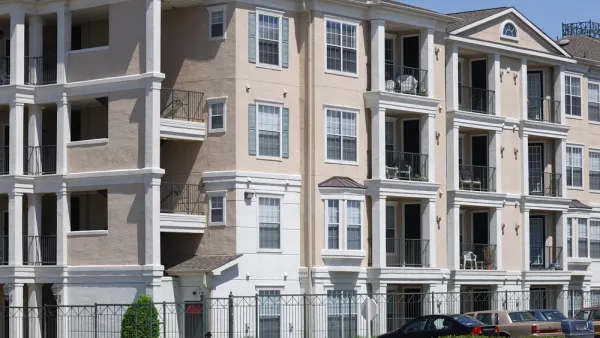
Zoning Reform Works, but Is No Magic Bullet
Improving housing affordability and boosting housing production requires more than just eliminating single-family zoning.

Feds to Award $13 Million for Transit Oriented Development Planning
A newly bolstered competitive grant program administered by the Federal Transit Administration has announced a new round of funding.

The Social and Economic Benefits of Green Schoolyards
New research suggests that switching from asphalt to green, park-like schoolyards brings economic benefits in addition to public health improvements.

Opinion: Ohio Needs Public Transit
A new Intel facility is set to bring thousands of workers to rural Ohio. Will the state embrace mass transit or give in to auto-centric sprawl?
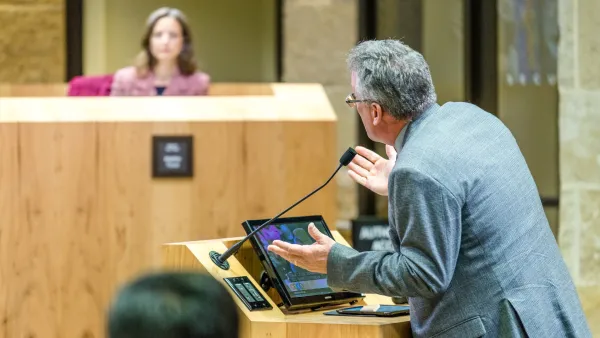
What Is a Planning Commission?
Planning commissions fill an influential advisory role in planning processes, maintaining citizen oversight of government planning powers and also providing a public forum for debate about the future of communities.

How To Slow the Wave of Commercial Vacancies
Empty storefronts depress property values and suppress small business growth. What can cities do to fill these vacancies?

Public Perceptions of Sprawl and Greenhouse Gas Emissions
Urban density has a bad reputation.

The Maine City Setting the Gold Standard for Pro-Development Zoning Reforms
Auburn, Maine, a city of 20,000 residents, has plans to add enough housing to increase its population by 25 percent by 2025.
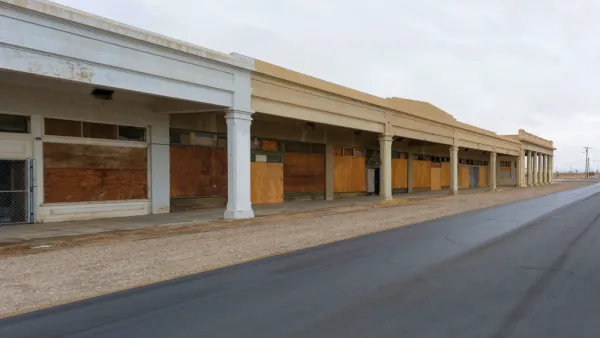
Strip Malls as a Housing Solution
The American strip mall may be a dying breed of commercial development, but could the buildings serve a new use as sustainable housing?
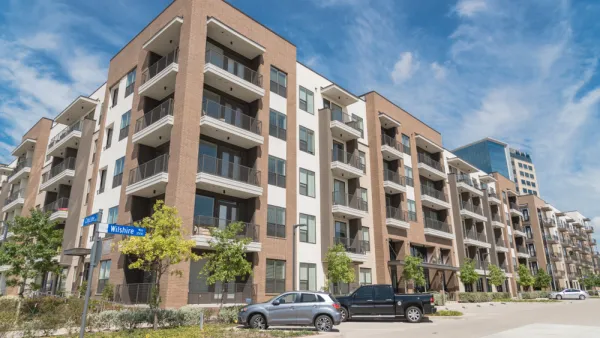
Density and Driving: A Second Look
A common argument against more compact housing is that increased population density will only reduce vehicle miles traveled at moderate levels of density, as opposed to very low-density and very high-density areas. But this might not be so.
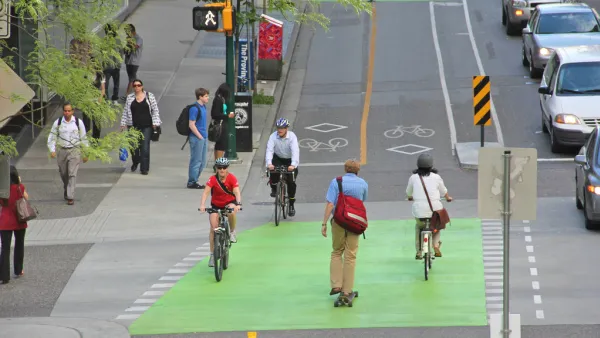
Study: Most of Vancouver Is a ‘15-Minute City’
A large majority of Vancouver residents can access a grocery store in 15 minutes or less by bicycle or on foot.

Zoning Stands in the Way of Renewable Energy
Renewable energy is cheap as ever, but zoning isn’t keeping up with the market.

Mixed Use Could Lower Neighborhood Crime Rates
New research shows areas with a heavy concentration of commercial offices experience 40 percent higher crime rates than neighborhoods that mix residential and commercial uses.

One-Fifth of California AirBnb Rentals in Fire Risk Areas
An analysis of Airbnb properties across the state shows that despite the high fire risk in many parts of the state, the company and hosts frequently don’t provide adequate warning and evacuation instructions to guests.

Minnesota Republicans Kill Passenger Rail, Freeway Cap Projects
Republicans in the Minnesota State Senate blocked the planning of a proposed passenger rail route between Duluth and the Twin Cities in addition to a plan for a freeway cap in a historically Black neighborhood in St. Paul.
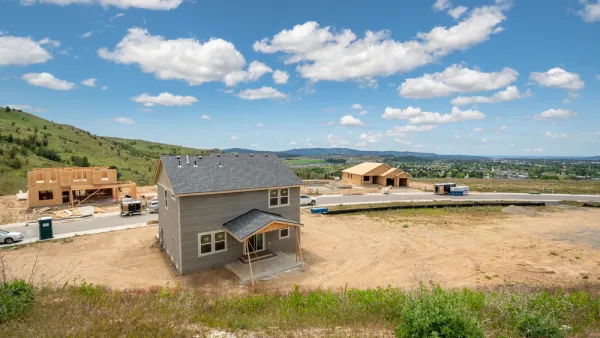
How Minimum Size Requirements Hamper Housing Production
Minimum square footage requirements are preventing many property owners from building on their lots, despite no evidence that they bring any safety benefits or maintain high property values.

Sarasota To Reveal ‘Complete Streets’ Plan
The Florida city will make improvements on two downtown streets to make them safer and more pedestrian-friendly.

FREE Course: Walkable City 1: Why Walkability?
After describing his path towards focusing on walkability as the essence of good planning, Jeff Speck marches through his five principal reasons for making more walkable places.
Reinventing Malls: Planning Alchemy—Turning Gray Fields Into Gold
The course focuses on the opportunities and imperatives that shape reinvention of mall sites.

One Hundred Miles
County of Mendocino
planning NEXT
The Architects Foundation
University of Cincinnati Online
Montrose County
Northern Illinois Transit Authority (NITA)
The Pocatello Development Authority









