Two ramps that have minimal impact on traffic could make way for apartments, commercial spaces, or much-needed parks.


Bill Lindeke argues that "a pair of one-lane viaducts looming in the middle of a lovely neighborhood, blotting out the sun atop massive concrete pillars surrounded by surface parking" have no place in their otherwise "thriving, cosmopolitan part of downtown" Minneapolis. According to Lindeke, the ramps likely "do more harm than good," saving about 15,000 drivers per day "maybe two minutes of travel time, and that’s if you are being very generous with route mapping." Meanwhile, the "marginally useful" ramps are surrounded by "some of the hottest real estate in the country."
"Back in the 1950s, building urban freeways through the downtown core seemed like a good idea with few drawbacks. But now, when downtowns are adding tens of thousands of new residents, it might be time to shift urban planning priorities." With freeway removal projects "becoming a hot trend" around the country, Lindeke argues the North Loop is an ideal candidate. "Based on the property tax receipts of the adjacent block, the land underneath the viaducts is worth at least $5 million of property tax revenue annually" and could be developed into housing, offices, and parks. "This example is as clear-cut a case as you’ll find in Minnesota of addition by subtraction, taking out an unneeded section of freeway, improving the downtown economy, and greening one of the city’s thriving neighborhoods."

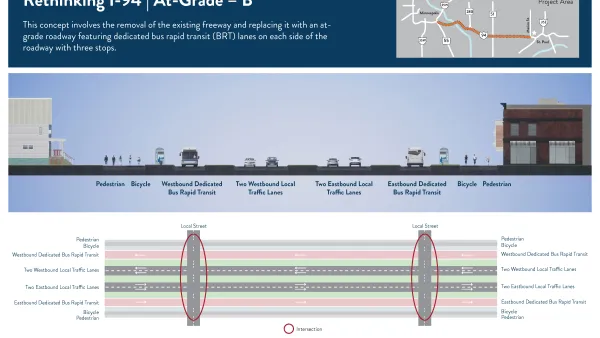
More Options Presented for Minneapolis I-94 Project
Two new proposals for replacing the freeway with at-grade segments offer new visions for the future of downtown Minneapolis.
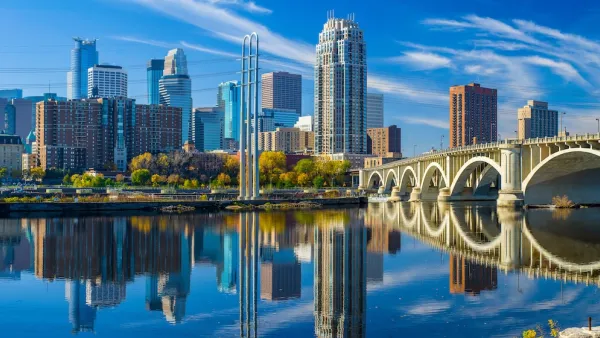
Looking Back on 60 Years of Land Development in the Twin Cities
In 1960, about 12 percent of the Twin Cities metro's land was already developed. By 2020, about 34 percent had been developed. Many factors influenced how the region has changed since 1960.
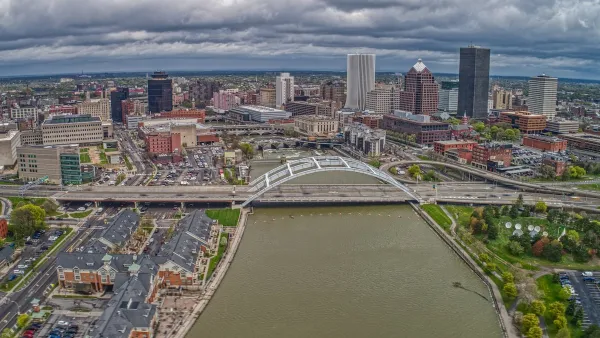
Rochester Shows Possible Future for Former Highways
A former freeway is undergoing a massive redevelopment that goes beyond highway removal to reconnect and revitalize surrounding areas.

Planetizen Federal Action Tracker
A weekly monitor of how Trump’s orders and actions are impacting planners and planning in America.

The state-sanctioned urbicide of Austin
People don’t kill cities. Freeways do.

US to reduce Colorado River water deliveries to Mexico
A new Colorado Treaty amendment reduces Mexico’s Colorado River water allocation by 250,000 acre feet.

Nation's most wind-powered state turns to coal as data centers increase energy demand
For the first time in decades, Iowa has increased its generation of coal power.

NYC cools commuters with city's first rain garden above a bus stop
New York City officials say the plants in the rain garden can absorb 16 gallons of rainwater during heavy storms.

Brightline West’s future may rely on $6 billion federal loan
The company has until Nov. 2 to make a $400 million equity investment into its proposed high-speed rail line.

FREE Course: Walkable City 1: Why Walkability?
After describing his path towards focusing on walkability as the essence of good planning, Jeff Speck marches through his five principal reasons for making more walkable places.
Reinventing Malls: Planning Alchemy—Turning Gray Fields Into Gold
The course focuses on the opportunities and imperatives that shape reinvention of mall sites.

.jpg)
Greater Baltimore Committee
Eagle County Government
Harvard University Graduate School of Design
The Architects Foundation
University of Cincinnati Online
The Pocatello Development Authority
The Urban Renewal Agency of the City of Pocatello
Journal of the American Planning Association