Land Use
Fear of Density Faulted for Lack of Open Spaces in Dallas
Planners and residents are concerned about the lack of green space requirements in the booming area of Uptown in Dallas. Instead of delivering amenities, some say, developers are often engaged in battles over density.
Helping Municipalities Manage 'Lazy' Real Estate Assets
A new tech startup, incubated at Harvard University, assists municipalities in unlocking the potential of their fallow, or "lazy," real estate assets.
Can Conservation and Drilling Coexist?
That's the question facing the nation's largest environmental organization (not the Sierra Club but The Nature Conservancy) regarding the management of its preserve in Texas. There is no question for Naomi Klein, who writes about it in her new book.
Luxury Developments Moving into the Sunset Strip; Porn and Clubs, Moving Out.
The 1.6 mile stretch of Sunset Boulevard in the city West Hollywood is destined for more than $600 million in developments planned or already being built, mostly composed of luxury hotels and condominiums.
Commuter Rail Station in Virginia Central to 'Transit-Oriented Sprawl' Plans
Among proposed examples of new urbanist communities, Greater Greater Washington calls out one, located along Prince William's Potomac riverfront, as particularly experimental, sprawling, and centered on a Virginia Railway Express station.

How a Bunch of Nosepickers are Helping Nashville Plan for its Future
Booming development and shifting demographics are driving updates to Music City’s land use policies. Civic leaders and planners say they want residents to steer the process, which has meant getting people’s attention in some unlikely ways.
Checking-in with the Proliferation of Innovation Districts
A look at where innovation districts have caught on, and where to expect more of this type of concerted cooperation between public and private entities and commercial and residential land uses.
Poor Planning Decisions Exacerbate Wildfires—Should Locals be Held Accountable?
A new study by the union of Concerned Scientists faults local development policies that place homes in wildfire-prone areas for the increasing cost of wildfires. Should local agencies split the bill for the risks they've permitted?
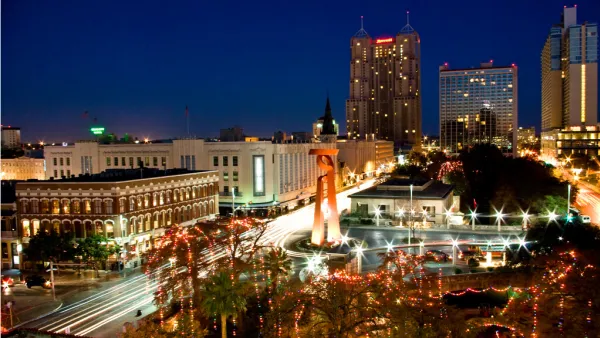
Why 'Place' Is the New American Dream
The new American Dream will transform cities and towns in the 21st Century. To understand it, we have to grasp a few features of the previous American Dream.
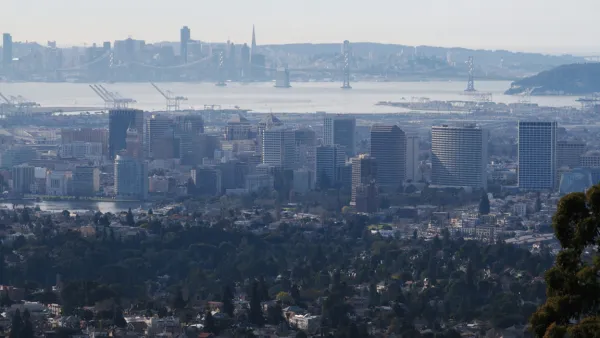
Time to Look at Oakland
While Oakland is by no means an easy place to develop real estate, the often maligned East Bay city of over 400,000 residents may very well be the Bay Area’s best place to embrace much-needed development.
The Suburban Story; Continued
Any narrative of the contemporary American residential market that neglects the continued proliferation of sprawl fails to describe the complex preferences of the public.
Boxing Gyms in Shrinking Cities: Refuge for the Formerly Incarcerated
Sociologist Lucia Trimbur describes how urban boxing gyms provide an opportunity for a particularly vulnerable population, formerly incarcerated men of color, to "recover from detention and establish stability in the free world."
Architects Design Fix For New York's Retro Parking Requirements
The "9x18" design team (named after the dimensions of a standard parking space) has evaluated and reimagined New York's parking regulations so they reflect actual parking demand and support affordable housing goals.
Public Projects at Crossroads: Bellwood Quarry and Atlanta Civic Center
While the plan to transform the Bellwood Quarry into Westside Reservoir Park waits, as it has done for eight years, an Atlanta councilmember proposes locating the endangered Boisfeuillet Jones Atlanta Civic Center near the site.
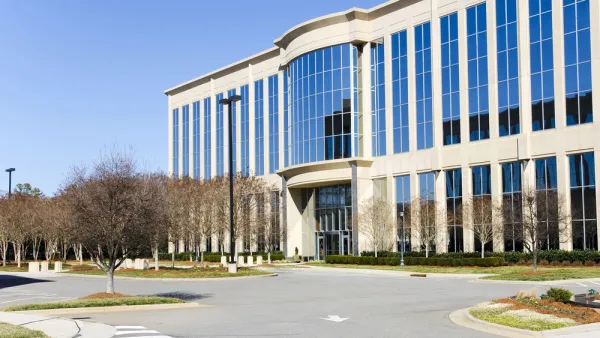
Reinventing the Suburban Office Park
The need to update aging facilities, as well as competition coming from once-dormant urban rivals, is compelling many suburban office parks to invest in the trappings of more urban settings.
The Incredible, Rising Cost of Forest Fires
The kicker in a recent article about the current realities of forest fires—and the cost of fighting them—in the United States: The federal government spends 624 percent more on fires than it did 20 years ago.
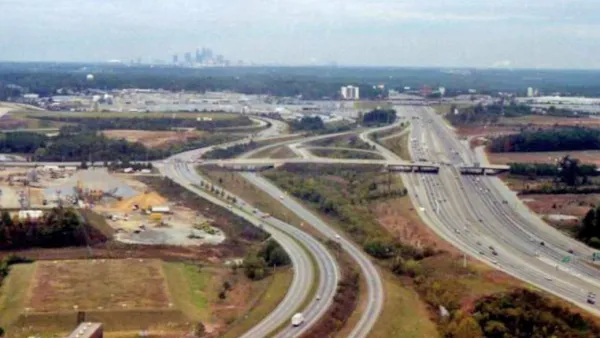
Modeling the Explosive Growth of the Southern Megalopolis
A new study, "The Southern Megalopolis: Using the Past to Predict the Future of Urban Sprawl in the Southeast U.S." predicts urban sprawl and warns of its possible consequences over the next 50 years.
Explaining the Connections between Physical Mobility and Economic Mobility
A new post by Danielle Kurtzleben explains the complicated mix of infrastructure considerations that must be in place for transportation to benefit economic mobility.
An Anti-Fracking Initiative...in Texas?
The fracking rebellion has finally spread to The Lone Star State. Citizens of Denton have had enough with environmental woes from fracking close to homes and gathered signatures. Plus: the outcome of litigation against Colorado 's first fracking ban.
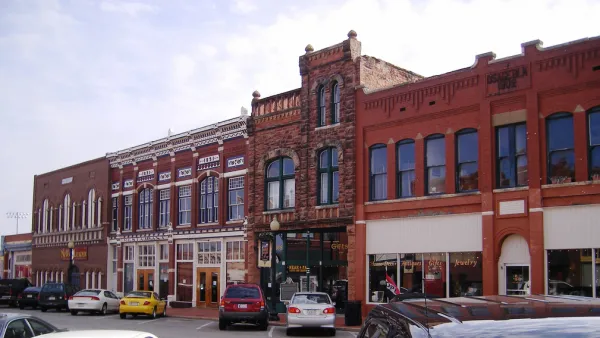
A Developer's Perspective on Historic Restoration for Mixed-Used Development
Developer Nick Kujawa shares his experience with mix-use development, and provides commentary on a new Community Builders report, "RESTORE: Commercial and Mixed-Use Development Trends in the Rocky Mountain West."

FREE Course: Walkable City 1: Why Walkability?
After describing his path towards focusing on walkability as the essence of good planning, Jeff Speck marches through his five principal reasons for making more walkable places.
Reinventing Malls: Planning Alchemy—Turning Gray Fields Into Gold
The course focuses on the opportunities and imperatives that shape reinvention of mall sites.

City of Rosemead
Rutgers University, Edward J. Bloustein School of Planning and Public Policy
One Hundred Miles
University of Michigan School for Environment and Sustainability (SEAS)
Hunter College, City University of New York (CUNY)
The Architects Foundation
City of Cambridge
Montrose County
The Pocatello Development Authority









