The 1.6 mile stretch of Sunset Boulevard in the city West Hollywood is destined for more than $600 million in developments planned or already being built, mostly composed of luxury hotels and condominiums.


Many of the iconic landmarks along the Sunset Strip such as The House of Blues, the Tiffany Theater, the Viper Room, and Larry Flynt's Hustler Hollywood store, are now being redeveloped into luxury hotels and condominiums by companies such as AECOM, Combined Properties, and CIM group, according to a recent report from Nadja Brandt at Bloomberg.
However, in the early 20th century avocado groves populated the Sunset Strip area. Then, shops, restaurants and bars began to emerge along the boulevard beginning in the 1920s, according to the non-profit Sunset Strip Business Association,
Assistant director at West Hollywood's Community Development Department John Keho sees the future of the Strip as helping to, "attract a higher-profile entertainment crowd and people from around the world. And that in turn will spawn more destination venues like restaurants and bars."
However, Ian Schrager, a boutique hotelier with a major stake in these redevelopments, adds that "Sunset shouldn’t be dominated by steel buildings." In a telephone interview with Brandt, he comments "there shouldn’t be a whitewashing of what I continue to think is a unique atmosphere. It doesn’t mean that you can’t build, but you have to be respectful of what Sunset means to me, to everybody."
Read the full story: Porn Out, Hotels In As Sunset Strip Reborn: Real Estate


West Hollywood Pilots Pop-Up Walkability Improvements
Six-month pilot projects along the Sunset Strip include a parklet and painted sidewalk extensions by a street artist.
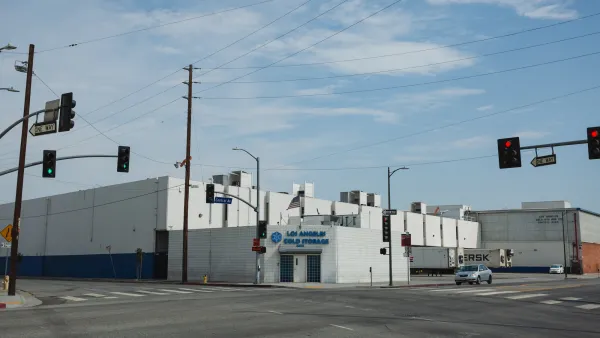
LA approves $2B 'urban village' plan for former cold storage facilities
The project promises an interconnected neighborhood with a focus on public space.
LA Metro Approves Another Major Rail Extension — This Time to Hollywood
The 9.7-mile K Line segment would connect major employment and commercial centers in mid-city Los Angeles and West Hollywood.

Planetizen Federal Action Tracker
A weekly monitor of how Trump’s orders and actions are impacting planners and planning in America.

Data reveals that NYC’s bet on congestion pricing has paid off
After almost two years of the program, reports show positive impacts on traffic and air quality and no disruptions to parking.

HUD modernizes 50-year-old manufactured housing framework
The Next Generation Manufactured Housing Action Plan establishes new energy-efficiency standards for manufactured homes, and new guidelines for anchoring them.

California voters weigh $11.25 billion housing bond
Prop. 1, combined with other funding, would support over 40,000 new rental units in California.

Connecticut is turning landfills into green infrastructure
Twenty-nine solar arrays have been built, or approved to be built, on top of Connecticut landfills.

Trump guts ‘win-win’ solar energy program for rural farmers
The U.S. Department of Agriculture’s changes have made virtually all solar power ineligible for funding through the Rural Energy for America Program.

FREE Course: Walkable City 1: Why Walkability?
After describing his path towards focusing on walkability as the essence of good planning, Jeff Speck marches through his five principal reasons for making more walkable places.
Reinventing Malls: Planning Alchemy—Turning Gray Fields Into Gold
The course focuses on the opportunities and imperatives that shape reinvention of mall sites.

One Hundred Miles
County of Mendocino
planning NEXT
The Architects Foundation
University of Cincinnati Online
Montrose County
Northern Illinois Transit Authority (NITA)
The Pocatello Development Authority