Infrastructure

Essential Strategies for Combating Extreme Heat
Cities can protect residents from extreme heat by enhancing natural and built infrastructure, establishing heat response strategies, and implementing national policies for worker safety and disaster response.
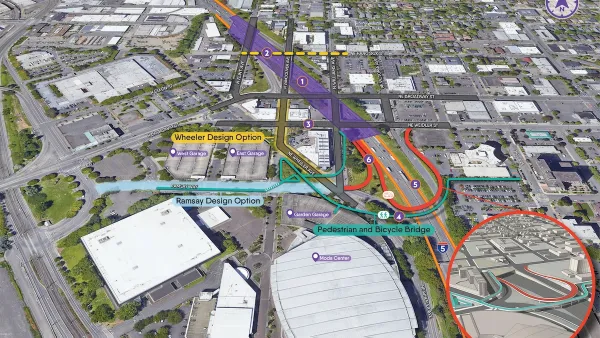
Portland Advocates Call on Feds to Oppose Freeway Expansion
The Oregon DOT is requesting a federal grant to fund a controversial freeway expansion through the Rose Quarter.
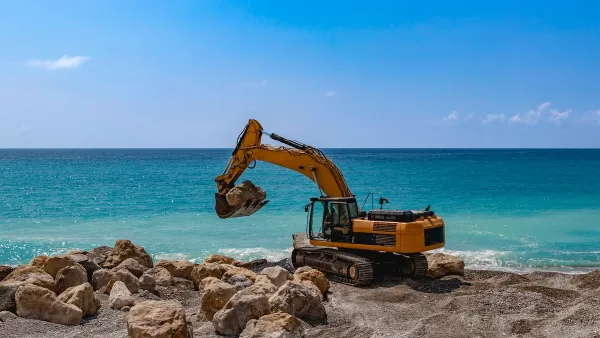
NOAA Awards $575M in Coastal Resilience Grants
The program received over $16 billion in requests from communities around the country.

Addressing the Perils of Extreme Heat
With this year bringing on more record heat waves, governments at the local and federal levels are elevating extreme heat management as an urgent priority.
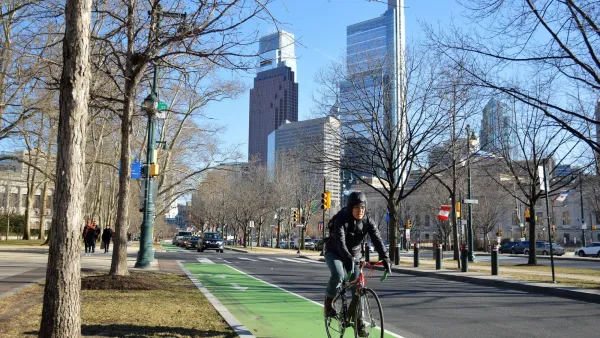
Philly Road Safety Advocates Call for Action From the City
Mayor Parker’s administration is proposing massive cuts to the city’s Vision Zero program while pedestrian and cyclist deaths remain high.
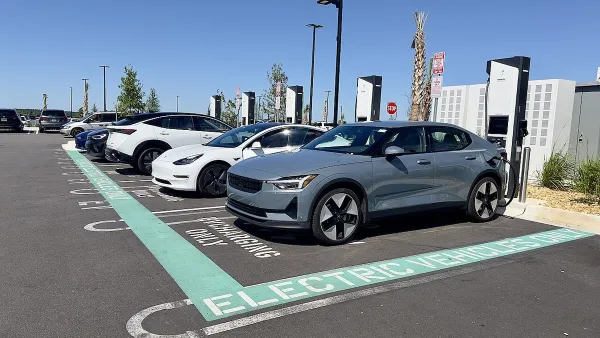
Florida Law Bars Cities From Regulating EV Chargers
Under the new law, cities cannot require charging infrastructure in local codes.
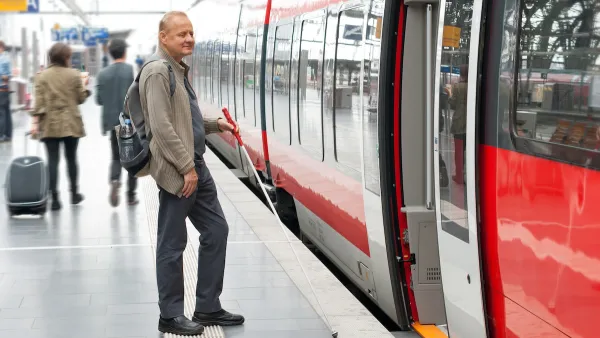
Beyond Compliance: The Crucial Role of the ADA in Planning Great Communities
The Americans with Disabilities Act was passed in 1990 to protect people with disabilities from discrimination, but more work is needed to make U.S. communities accessible to all. And planners have a key role to play.

Zoning for Electric Vehicles
Local zoning codes can be adjusted to encourage the building of EV charging infrastructure into neighborhoods.

Boston’s Bike Network is Growing More Connected
More people are choosing to bike as the city focuses on filling gaps in its bike infrastructure.
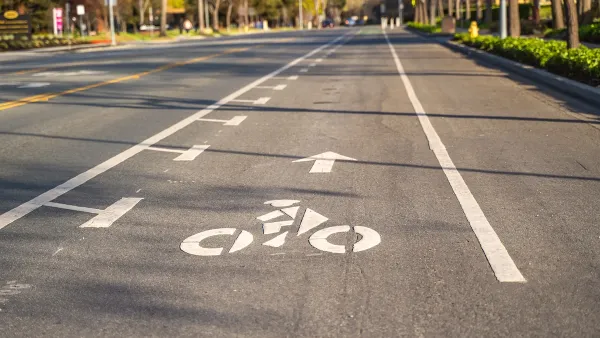
Zeroing in on California’s Incomplete Streets
A report highlights the lack of enforcement of Caltrans’ Complete Streets policy in projects around the state.
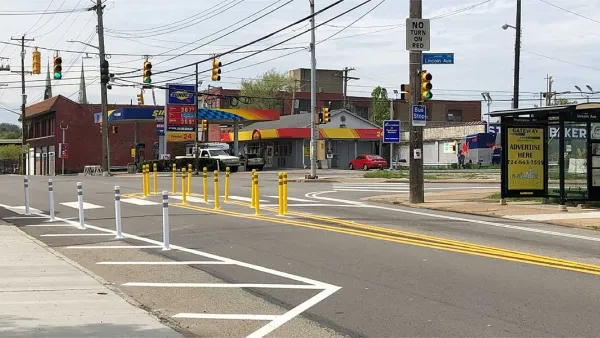
Pittsburgh Improves Road Safety With ‘Quick-Build’ Solutions
The city’s efforts to reduce crashes through traffic calming and crosswalk improvements is yielding positive results.
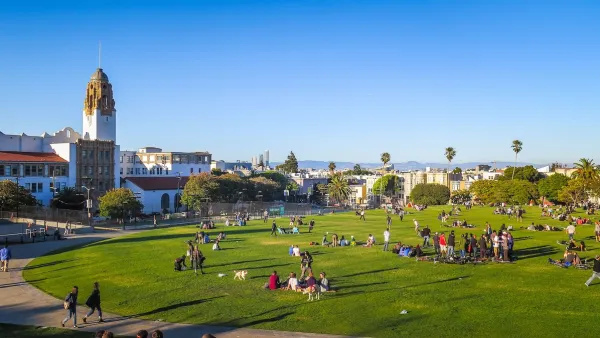
How Local Park Agencies Contribute to Decarbonization Efforts
Park agencies play an important role in decarbonization by creating and managing parklands, promoting sustainable practices, and engaging communities to combat climate change and enhance public health and biodiversity.
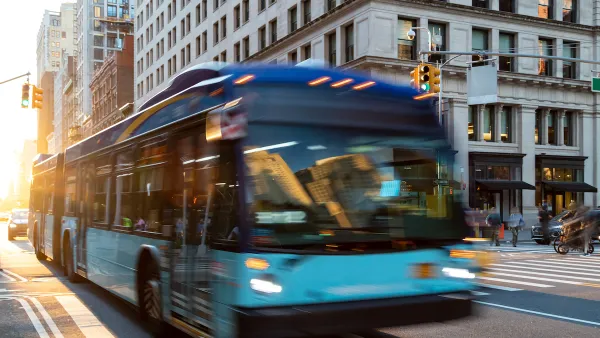
Planning for Equity in an Ideologically Conservative Community
To support equity goals, planners must accommodate diverse ideological perspectives, including political environments that focus on functional fairness rather than demographic categories.
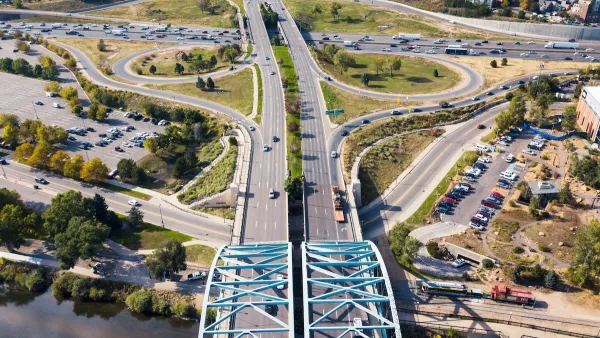
Colorado Requires DOT to Reduce Emissions. Is it Working?
A new rule calling for emissions reduction plans as part of highway projects has led to two canceled road expansions and a shift toward greener transportation investments.

‘Data Bikes’ Help Governments Understand Bike Path Conditions
Sensors on specially equipped bikes can collect information on trail accessibility and pavement conditions to prioritize maintenance projects.

Reconnecting Communities Grant Round Offers $600M for Highway Mitigation Projects
The program is part of the 2021 infrastructure law and calls for improving access in communities disadvantaged by freeways.
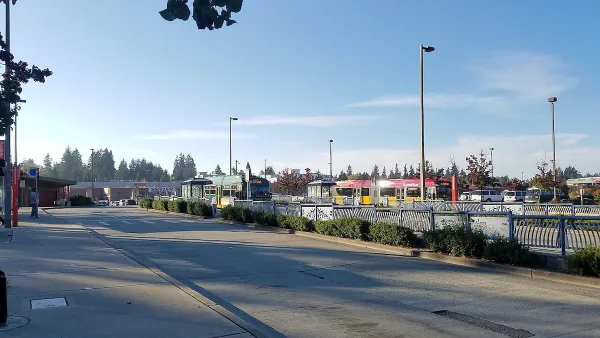
King County to Sunset Public Restroom Program
The agency cites the high cost of the program and a county code that bars restroom facilities from transit centers as reasons for ending the six-month pilot.
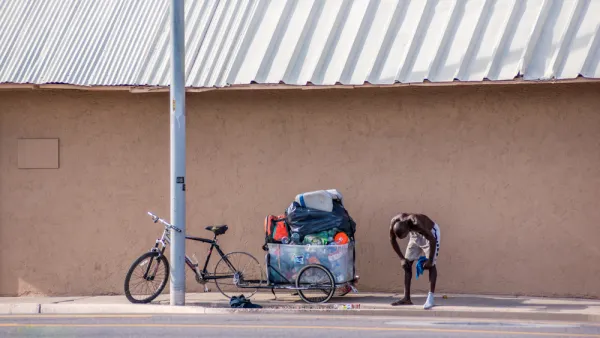
Deadly Contact Burns Rising in the Southwest
As heat waves become more frequent and severe, hospitals are seeing more patients admitted with serious, sometimes life-threatening burns from asphalt and other outdoor surfaces.
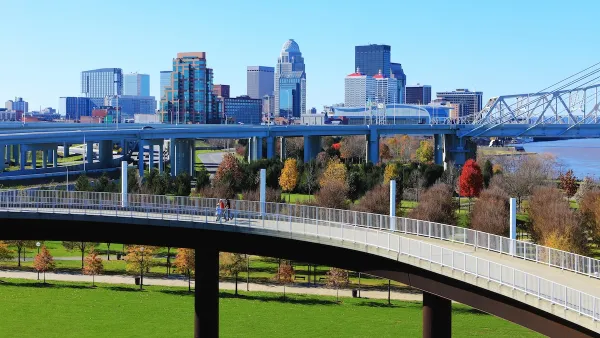
Louisville Creates its First Municipal DOT
The new department will be tasked with speeding up transportation and infrastructure projects.
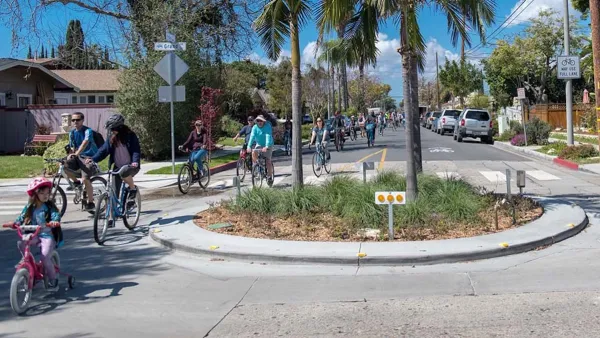
Long Beach Has Installed Nearly 100 Traffic Circles
They range from large traffic circles that reduce congestion to small neighborhood roundabouts designed to slow local traffic.

FREE Course: Walkable City 1: Why Walkability?
After describing his path towards focusing on walkability as the essence of good planning, Jeff Speck marches through his five principal reasons for making more walkable places.
Reinventing Malls: Planning Alchemy—Turning Gray Fields Into Gold
The course focuses on the opportunities and imperatives that shape reinvention of mall sites.

City of Charlotte
City of Rosemead
Rutgers University, Edward J. Bloustein School of Planning and Public Policy
University of Michigan School for Environment and Sustainability (SEAS)
Hunter College, City University of New York (CUNY)
The Architects Foundation
University District Partnership
City of Cambridge
The Pocatello Development Authority









