Infrastructure
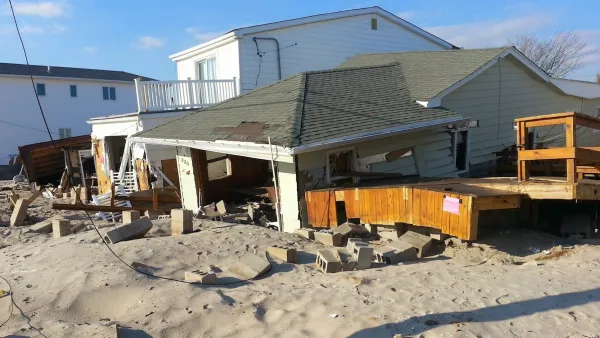
FEMA Rule Calls for Updated Flood Modeling
Agency-funded projects will be required to be elevated at least 2 feet above the projected local flood level.
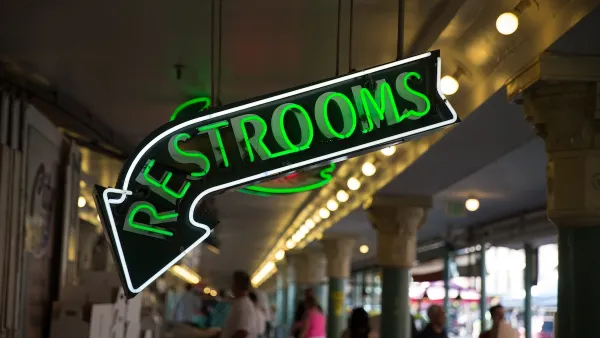
When Bathroom Access Restricts Mobility
For parents of young children, people with mobility equipment, and others, a lack of accessible public restrooms can mean limited outings.
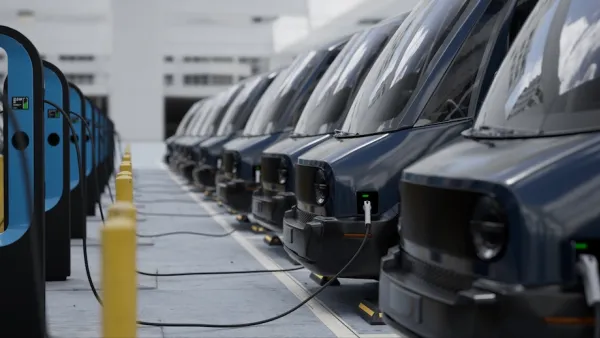
USDOT Unveils Strategies to Achieve Near-Zero Transportation Emissions
Three key strategies — reducing travel distances, increasing energy-efficient travel modes, and transitioning to zero-emission vehicles and fuels — are recommended to meet national climate goals under the Paris Agreement.
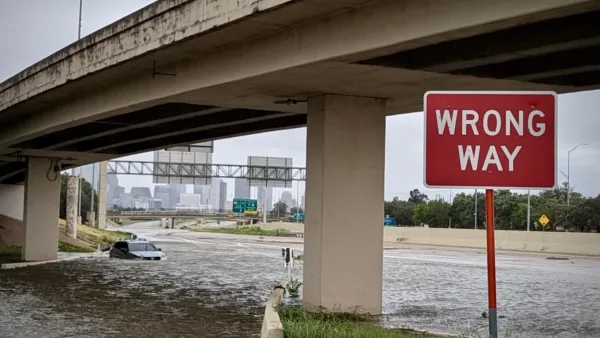
Houston Could Face Stronger Storms. Is the City Prepared?
Experts say Hurricane Beryl, which landed as a category 1, revealed that the city’s infrastructure may not successfully withstand stronger storms.
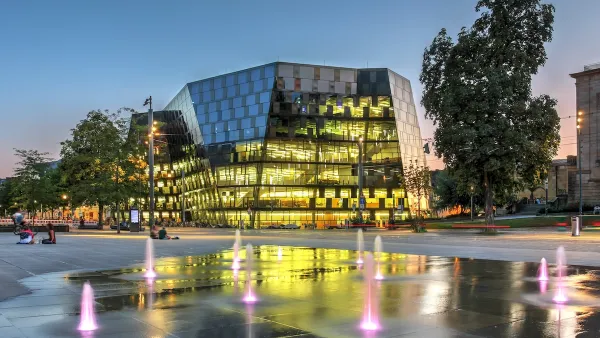
Using AI to Model Climate Impacts
A German research team used AI to understand how thermal stress will impact urban infrastructure down to the street level.
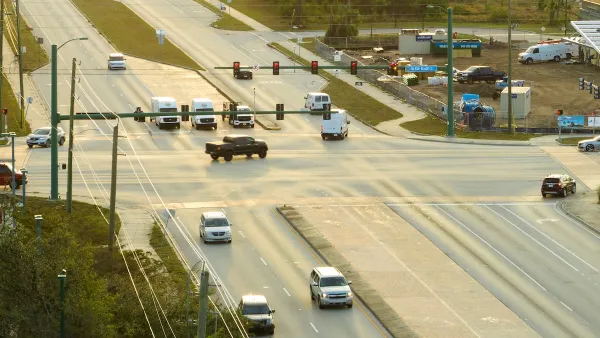
Fixing the Notorious ‘Stroad’
Why roadways that try to serve everyone can be some of the most dangerous.
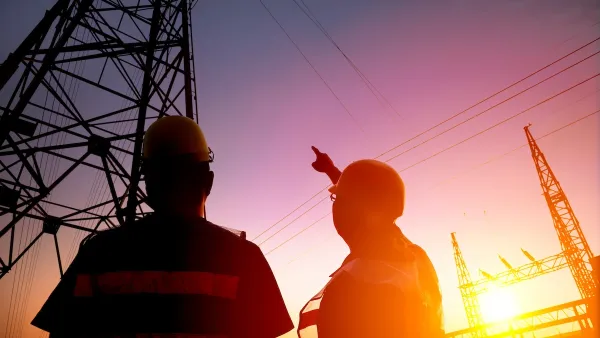
Federal and State Responses to Extreme Heat
Governments are mobilizing resources to address the impacts of longer and more intense heat waves on public health and infrastructure.
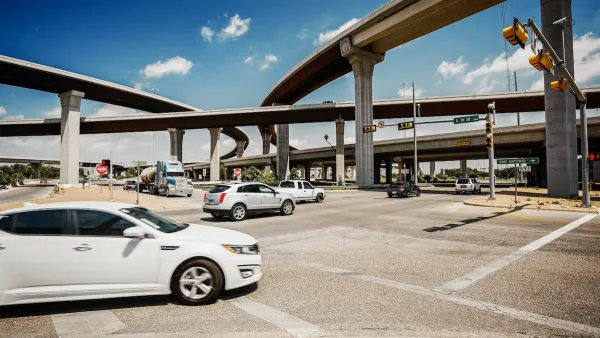
Report: Vision Zero Saving Lives in Austin
Safety improvements at major intersections led to a 22 percent reduction in deaths and severe injuries and saved the city over $28 million.

Gateway Tunnel Project Ready to Move Forward
The project is primarily funded through federal agencies and will improve a key link between New Jersey and New York City.
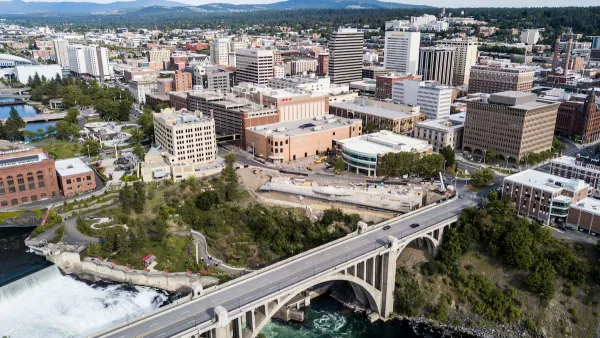
Spokane City Council Calls for ‘Safe Streets Now!’
The Washington city approved a resolution aimed at improving pedestrian safety.
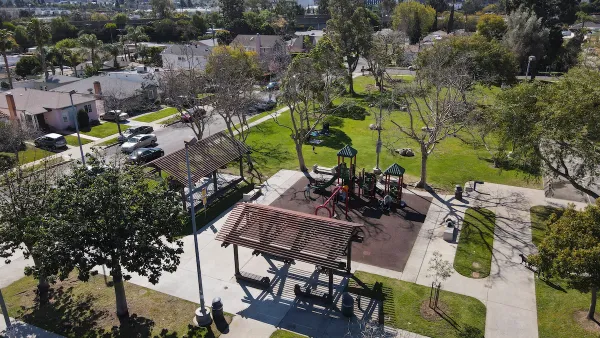
LA County Releases Funding for Parkland Acquisition in Underserved Communities
Los Angeles County has released $14.5 million in Measure A grant funds to support parkland acquisition in high-need areas, aiming to create additional green spaces and advance environmental justice and equity.
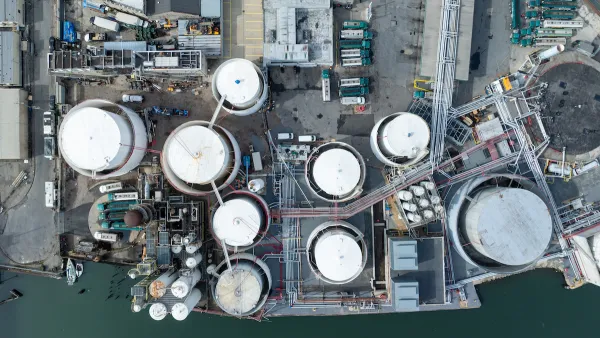
Climate Change Putting Coastal Infrastructure at Risk
More than 1,000 coastal facilities could flood as often as once a month as sea levels rise, according to a study from the Union of Concerned Scientists.
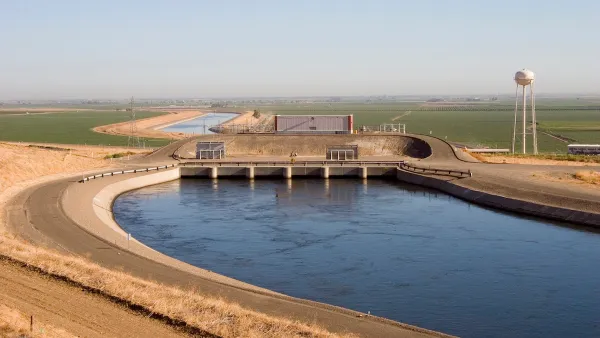
California’s 2024 Drinking Water Needs Assessment Reveals Critical Issues in Public Water Systems
The assessment identifies 385 failing public water systems and highlights significant funding gaps and affordability challenges in ensuring safe drinking water for disadvantaged communities.
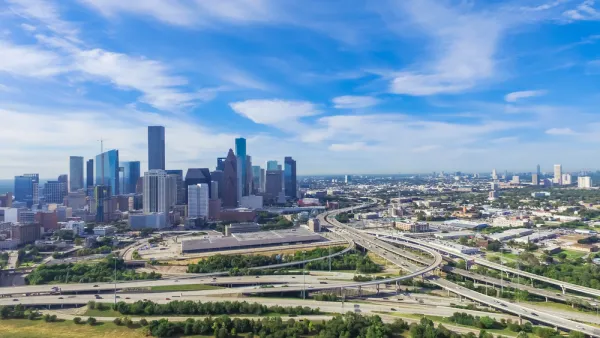
Houston Residents Respond to Mobility Questions
What could the city look like if budget and bureaucracy were no object?
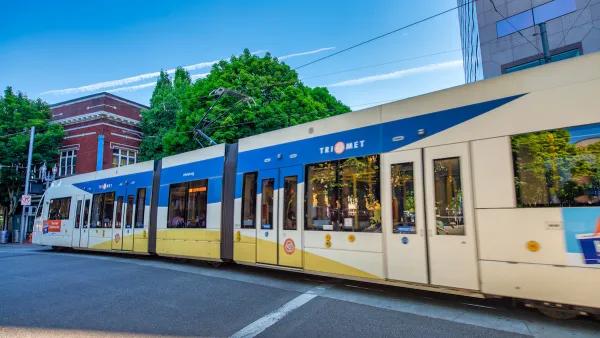
Portland Train Speed Limited by Extreme Heat
When temperatures hit 100 degrees, the city’s two train systems face challenges that force them to slow their speeds or stop operations altogether.
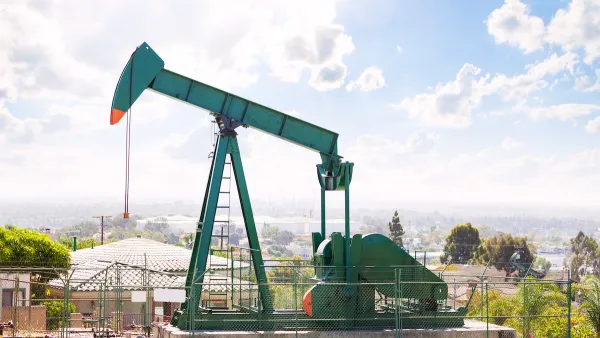
California's Struggle to End Neighborhood Oil Drilling Faces Fierce Industry Opposition
Assembly Bill 1866 aims to address the health hazards caused by idle oil wells in low-income communities by enforcing stricter regulations on oil companies to accelerate well cleanup, despite significant opposition from the oil industry.
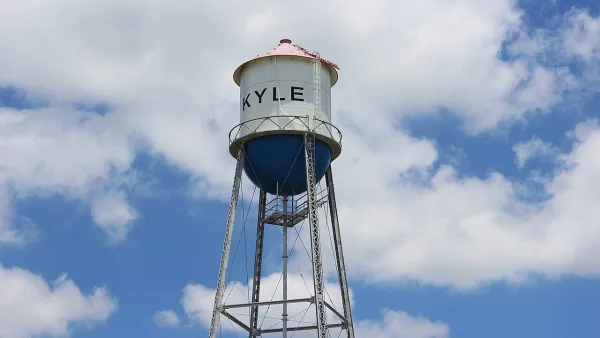
Austin Suburb Launches Walkability Study
Kyle, Texas is developing a Sidewalks Master Plan to improve walking facilities.
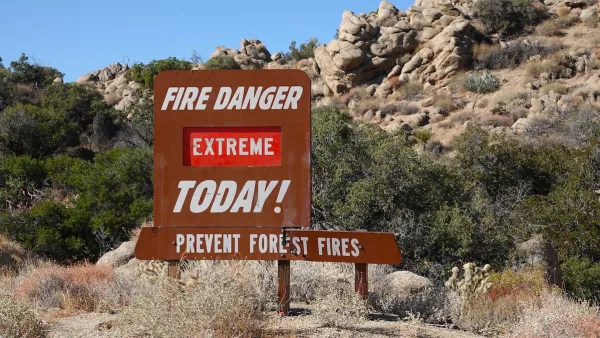
California Voters to Decide on Major Climate Funding in November
Californians will determine whether to approve a $10 billion bond for climate and environmental projects, which seeks to address critical issues such as wildfire prevention, safe drinking water, and protection of disadvantaged communities.
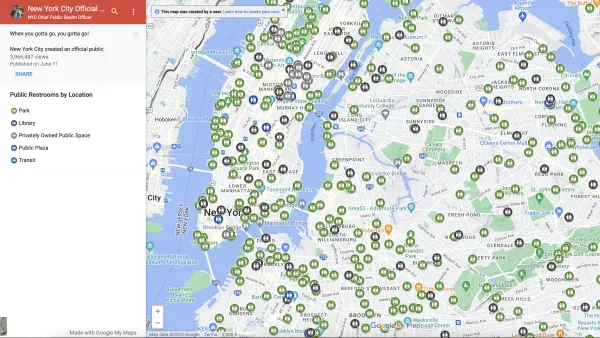
When You Gotta Go: NYC Launches Public Restroom Map
New York City created a Google Maps layer to help residents and tourists alike more easily locate public restrooms.
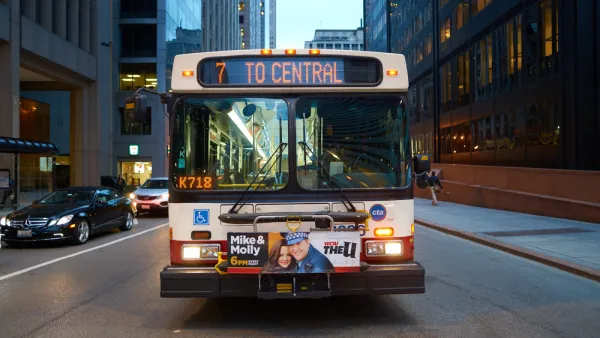
Chicago Announces First Five ‘Better Streets for Buses’ Corridors
The CTA will develop a series of options for improving bus service on key transit corridors.

FREE Course: Walkable City 1: Why Walkability?
After describing his path towards focusing on walkability as the essence of good planning, Jeff Speck marches through his five principal reasons for making more walkable places.
Reinventing Malls: Planning Alchemy—Turning Gray Fields Into Gold
The course focuses on the opportunities and imperatives that shape reinvention of mall sites.

City of Charlotte
City of Rosemead
Rutgers University, Edward J. Bloustein School of Planning and Public Policy
University of Michigan School for Environment and Sustainability (SEAS)
Hunter College, City University of New York (CUNY)
The Architects Foundation
University District Partnership
City of Cambridge
The Pocatello Development Authority









