Infrastructure
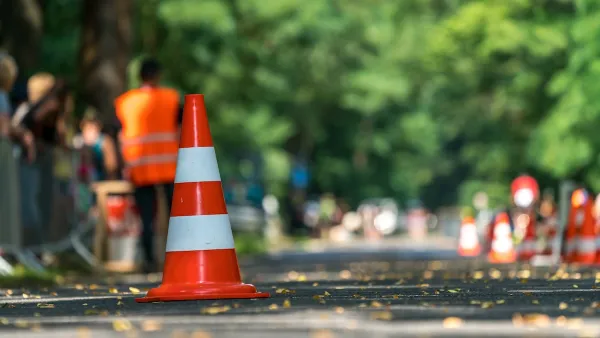
Book Review: Killed By A Traffic Engineer
In a new book, engineering professor Wes Marshall explains why American roads are so unsafe.
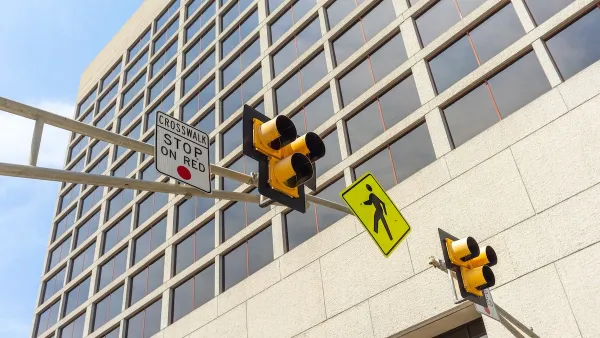
Austin Adds Pedestrian Improvements at Hundreds of Intersections
The city added leading pedestrian interval technology to over 600 intersections, giving pedestrians time to cross before vehicles.
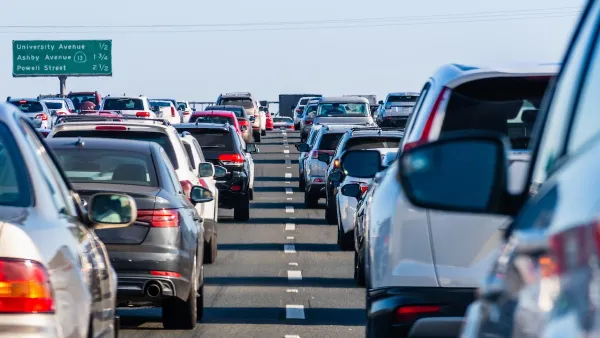
States Claim Highway Expansions Reduce Emissions
The argument is being used to channel climate funding to projects that expand automobile infrastructure, according to an analysis from Transportation for America.
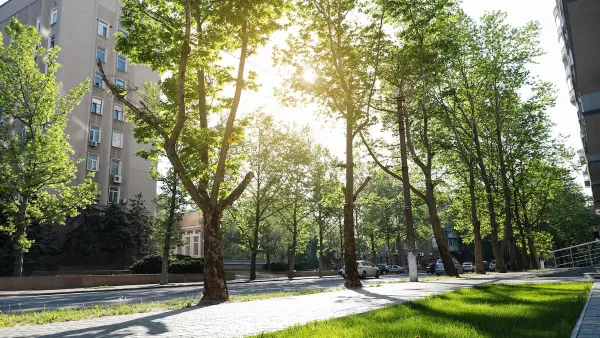
The Economic Value of Street Trees
Far from just providing shade and improving air quality, trees can also contribute to more resilient roads, lower energy costs, and reduced flood risk.
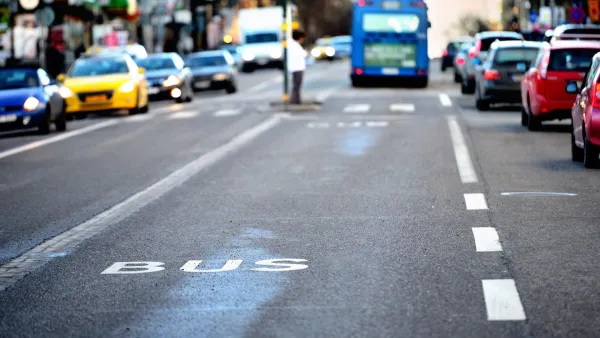
Bus Lanes as Traffic Calming
Dedicated bus lanes on busy arterials can act as traffic calming mechanisms to reduce speeding.
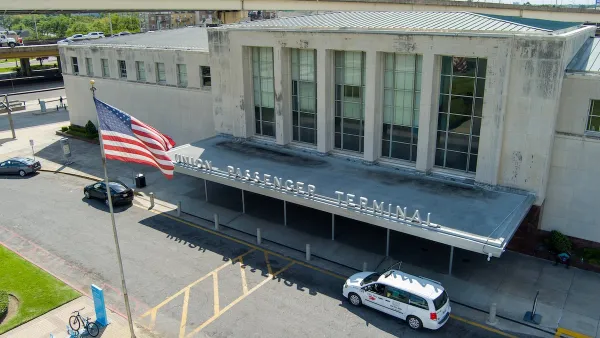
Amtrak Gains Final Approvals for Return to the Gulf Coast
A vote by the Mobile city council secured three key agreements that will pave the way for bringing passenger rail service back to coastal regions east of New Orleans.
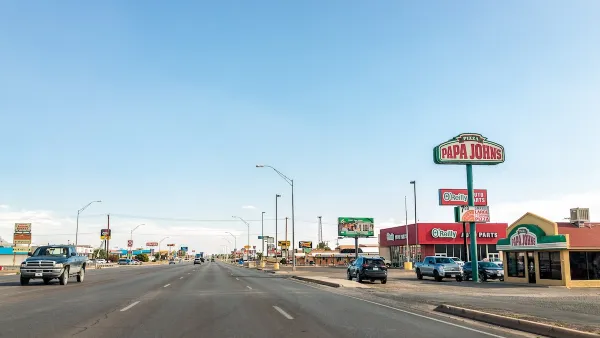
Fixing the ‘Legacy’ Highways That Don’t Work for Anyone
A classic example of the notorious ‘stroad,’ aging state roads that aim to serve all users with piecemeal infrastructure solutions fail to facilitate safe, efficient transportation.
Moving Beyond Crash Statistics to Understand Road Safety
Why measuring traffic deaths alone doesn’t paint a full picture.
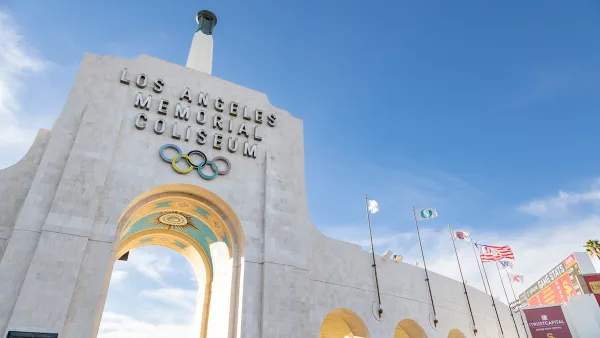
Will LA’s Transit Plan Cross the Finish Line Ahead of 2028 Summer Olympics?
The latest report from the Los Angeles County Metropolitan Transportation Authority says the 2028 Summer Olympics host city is falling behind on its transit improvement plan and likely won't catch up in time for the Games.

Texas Water Board to Distribute $1 Billion for Infrastructure Improvements
The state must invest $80 billion by 2070 to upgrade its outdated water infrastructure.
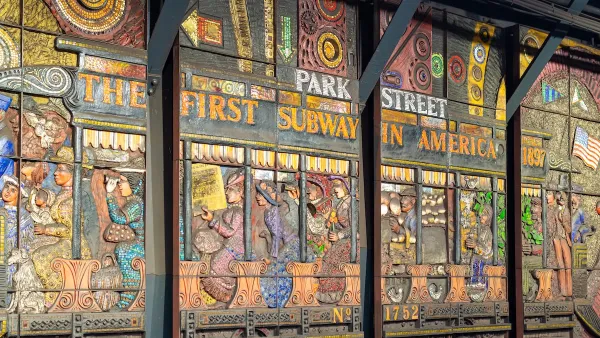
MassDOT’s ‘Beyond Mobility’ Plan Centers Resilient Transportation
The 25-year plan addresses the state’s transportation infrastructure, sustainability, and equity.
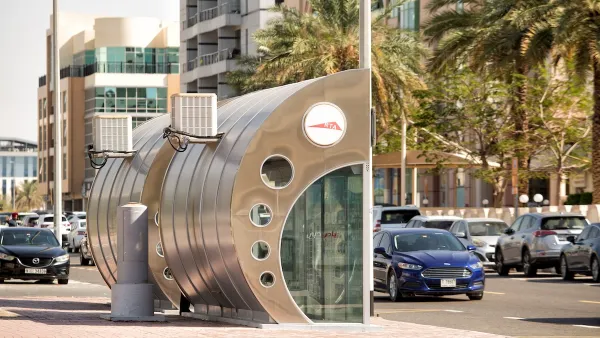
The Value of Beauty at Bus Stops
While some rail stations get the starchitect treatment, most bus stops fail to offer aesthetic value. One study suggests this is a mistake.
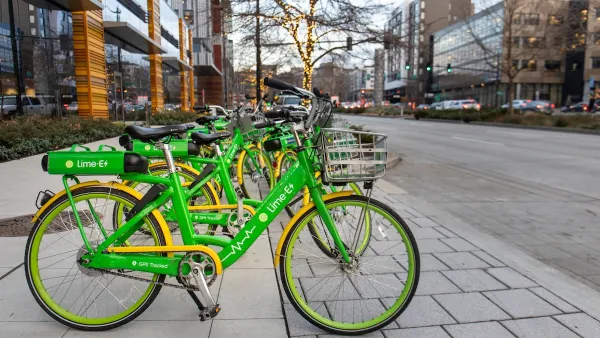
Seattle Sees Strong Bike Share, Scooter Ridership
The city’s shared bikes and e-scooters provided half as many trips as a $2 billion tunnel.
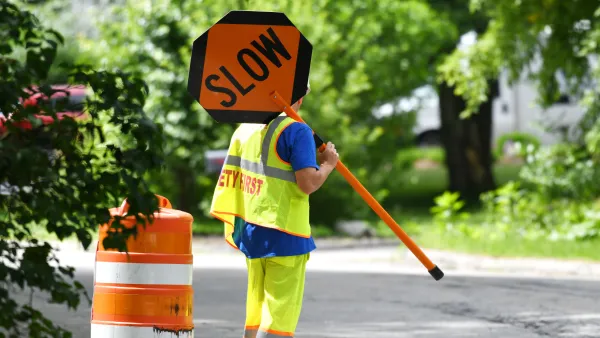
Pedestrian Deaths Would Have Risen Without the Pandemic, Study Shows
The alarming rise in pedestrian deaths across the United States was predicted well before Covid-19 provided more opportunities for dangerous driving behaviors.
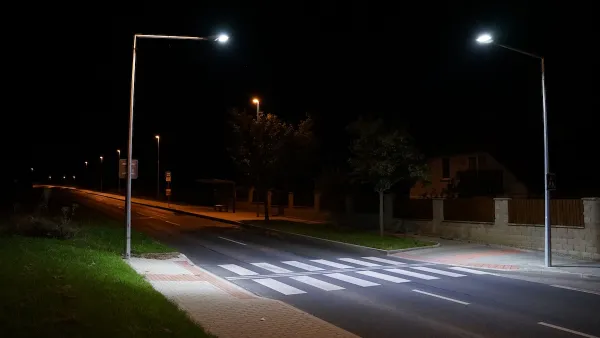
Study: Crosswalk Lighting Radically Improves Pedestrian Safety
In what should come as a surprise to no one, drivers are much more likely to yield to pedestrians when they can actually see them.
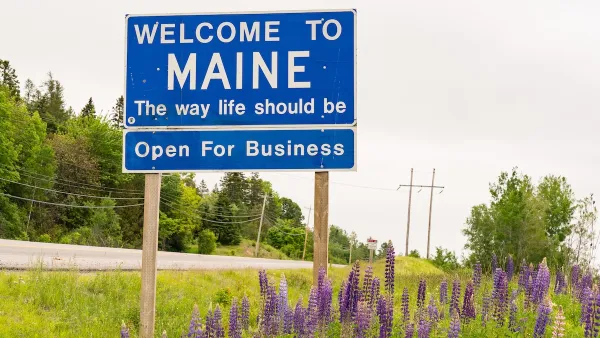
Maine Mobility Advocates Question Highway Expansion
State transportation officials say a proposed road expansion project would reduce congestion — if coupled with transit initiatives.
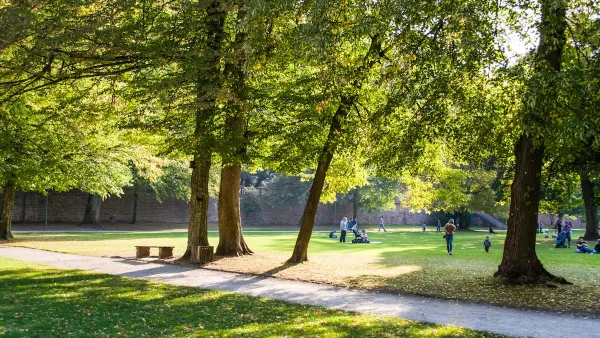
Advancing Sustainability and Resilience Through Parks
The Urban Land Institute offers fact sheets describing five innovative ways that parks can reduce carbon emissions and mitigate climate threats while advancing health, equity, and quality of life in urban areas.
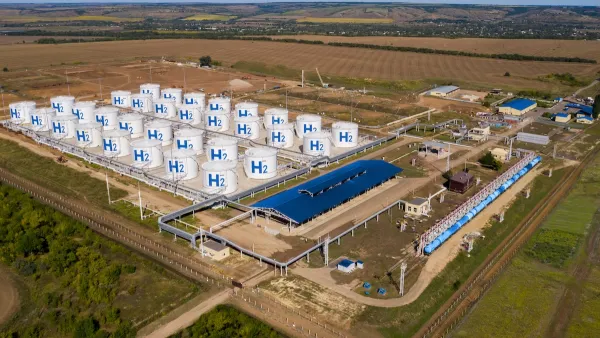
First Federal Funding for Hydrogen Hubs Awarded to California and Pacific Northwest
The U.S. Department of Energy announced on July 17 that the first grant to build the nation's seven proposed 'hydrogen hubs' would go to California. The ultimate goal is to decarbonize transportation fuels used in port operations.
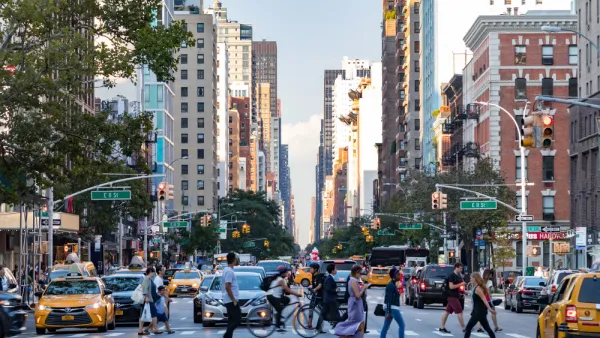
NYC Sees 127 Traffic Deaths in First Half of 2024
The number is the highest since the city pledged to end traffic deaths through Vision Zero policies a decade ago.
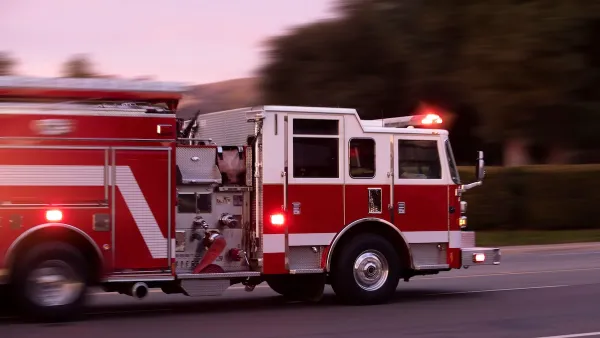
Study: Bike Lanes, Traffic Calming Don’t Impact First Responders
Despite common concerns that narrower traffic lanes and bike infrastructure can slow emergency response, response times in one study didn’t change.

FREE Course: Walkable City 1: Why Walkability?
After describing his path towards focusing on walkability as the essence of good planning, Jeff Speck marches through his five principal reasons for making more walkable places.
Reinventing Malls: Planning Alchemy—Turning Gray Fields Into Gold
The course focuses on the opportunities and imperatives that shape reinvention of mall sites.

City of Charlotte
City of Rosemead
Rutgers University, Edward J. Bloustein School of Planning and Public Policy
University of Michigan School for Environment and Sustainability (SEAS)
Hunter College, City University of New York (CUNY)
The Architects Foundation
University District Partnership
City of Cambridge
The Pocatello Development Authority









