Infrastructure
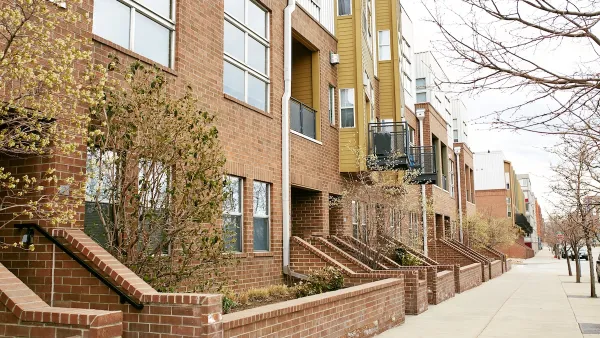
Denver to Shift Sidewalk Repair Work to City, Funded by Property Owners
The city is shifting from a piecemeal approach to sidewalk repairs that charged property owners with doing the work to a more streamlined, city-led process.
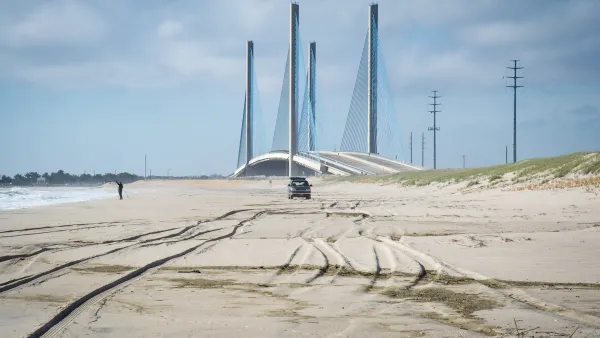
Delaware to Invest $15M in Coastal Resilience
State officials say they’re moving forward with emergency repair and renourishment of sand dunes around the Indian River Inlet Bridge as they await a promised $10 million federal contribution.

West Seattle Link Expansion Could Cost $7 Billion
Sound Transit is moving forward with a proposed route despite severe cost overruns, throwing other major rail projects into question.
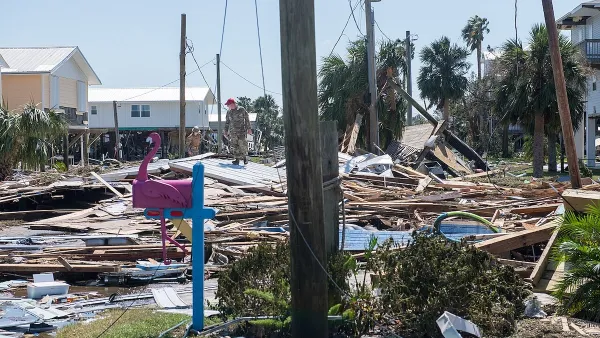
Hurricane Helene Highlights Growing Threat to Florida’s ‘Big Bend’
The region is becoming more vulnerable to flooding and storm damage due in part to climate change and warmer seas.
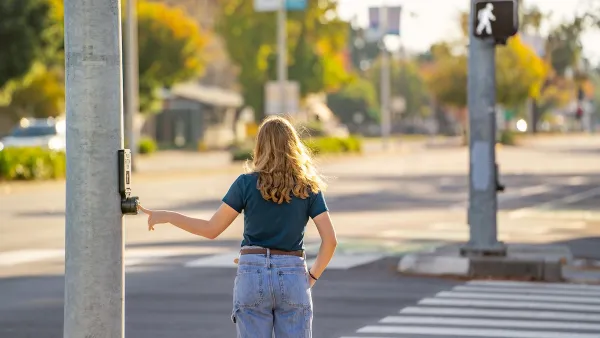
California Governor Signs Complete Streets Bill Into Law
The state’s transportation agency will be required to prioritize multimodal transportation infrastructure and improve transparency.
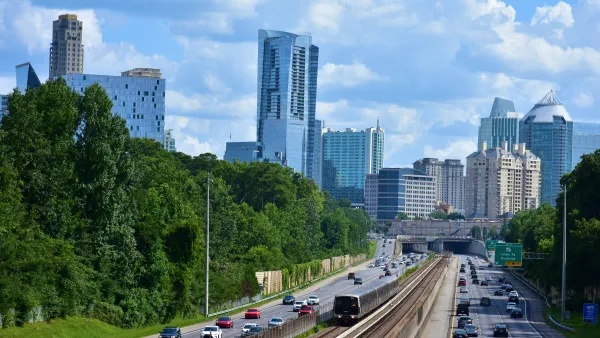
How Would Project 2025 Affect America’s Transportation System?
Long story short, it would — and not in a good way.
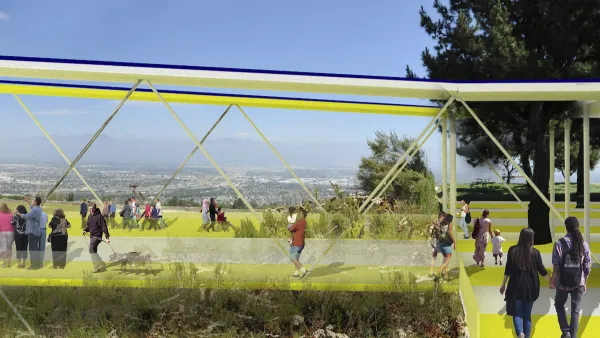
Puente Hills Regional Park Development Gets $15M Boost
The federal grant will help to transform the former Puente Hills Landfill into a 142-acre regional park, bringing much-needed green space and environmental benefits to the San Gabriel Valley.
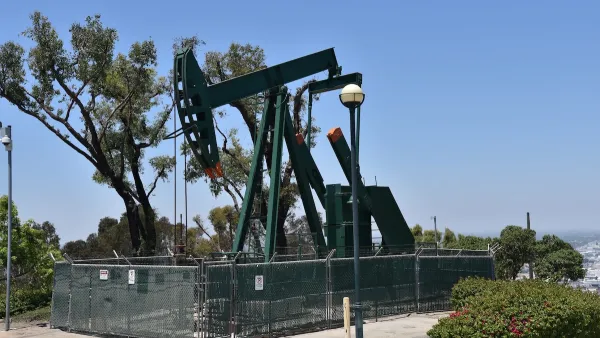
Governor Newsom Signs Bills to Restrict Oil and Gas Operations Near Communities
The signed legislation grants local communities more authority to restrict oil and gas operations near sensitive areas and address the environmental risks of idle wells, while also ensuring the permanent shutdown of low-production wells.
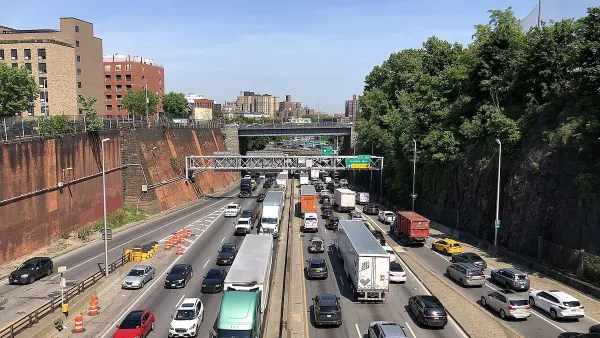
NYDOT Planning Further Cross Bronx Highway Expansion
Previously unreleased plans reveal a ‘greenwashed’ plan to expand the roadway with minimal commitment to connectivity and multimodal infrastructure.
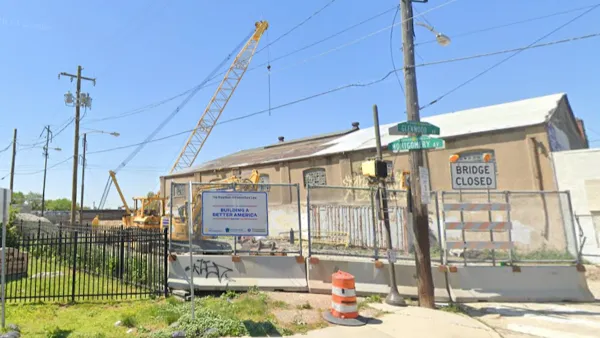
Philadelphia Completes First Bipartisan Infrastructure Law Project
City officials cut the ribbon on a major bridge reconstruction.
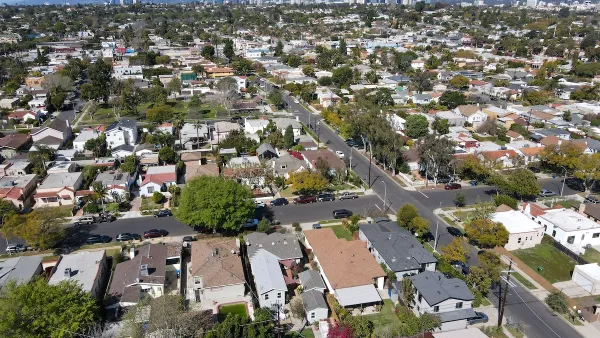
California Law Ends Road Widening Mandates
Housing developers will no longer be required to dedicate land to roadway widening, which could significantly reduce the cost of construction and support more housing units.
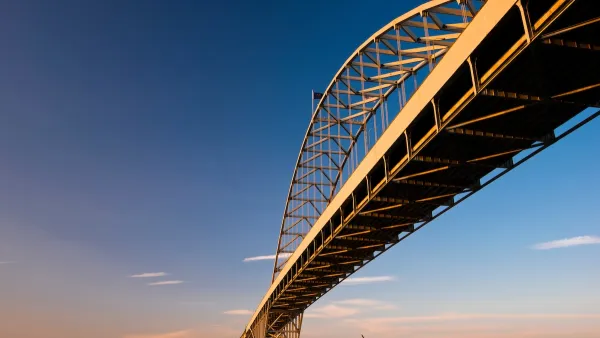
Over Half of IIJA Funds Still Up for Grabs
Just 40 percent of funds from the massive infrastructure law have been allocated to projects three years after its passage.
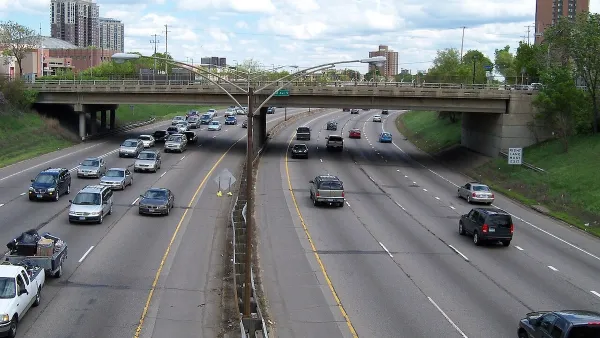
Minneapolis Leaders Urge State DOT to Rethink Highway Expansion Plans
Current MnDOT plans call for widening Interstate 94, but city leaders from Minneapolis and St. Paul want to see more space for public transit, walking, and biking.
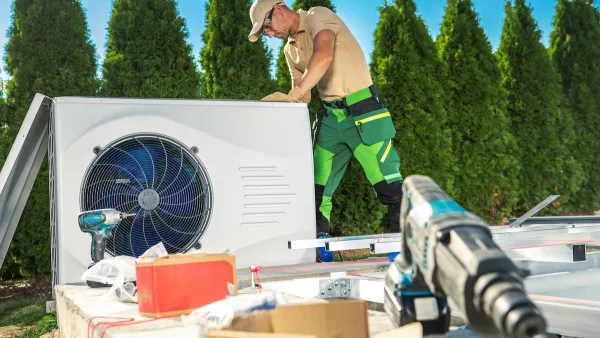
Seattle Expands Heat Pump Rebates
Moderate-income households can access up to $8,000 in incentives to switch from oil heating systems to more efficient electric heat pumps.
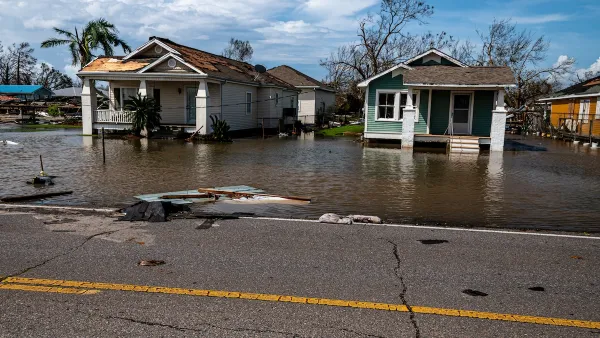
Floodplain Development Largely Concentrated in Gulf Coast States
Many U.S. cities use ‘routine’ practices like zoning changes and permitting to discourage development in high-risk flood zones.
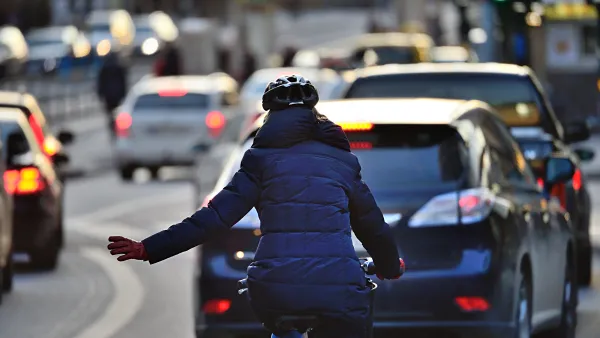
The Risks of Self-Fulfilling Travel Forecasts
Transportation agencies continue to apply predict-and-provide planning which simply extrapolates past trends to predict future needs. It’s time to apply decide-and-provide planning to better achieve community goals.
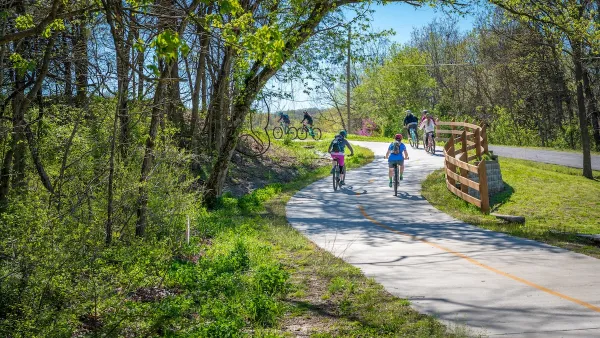
Repositioning Bike and Walking Trails as Essential Infrastructure
Cities and states can access federal transportation funding by including trails in long-range transportation plans.
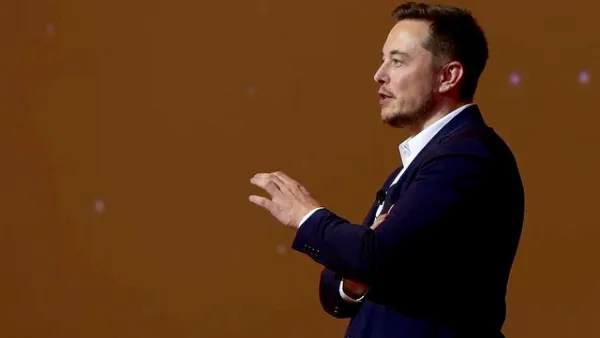
Musk ‘Supercomputer’ Raises Water, Power, and Pollution Concerns in Memphis
The facility, which was completed in just 122 days, was rushed through so quickly, it is still missing environmental permits and infrastructure needed to ensure it doesn’t put stress on the grid or local water supply.

Minneapolis Airport Expansion Uses Geothermal Heating and Water Conservation Methods to Reduce Impact
The improved facilities are expected to reduce their total energy use by 19 percent.
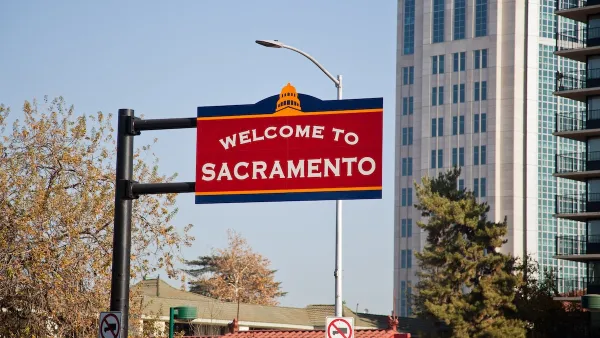
Sacramento’s Traffic Safety Crisis Could Be Declared a Public Emergency
Street safety advocates are calling for a stronger declaration that would focus on road design and equity.

FREE Course: Walkable City 1: Why Walkability?
After describing his path towards focusing on walkability as the essence of good planning, Jeff Speck marches through his five principal reasons for making more walkable places.
Reinventing Malls: Planning Alchemy—Turning Gray Fields Into Gold
The course focuses on the opportunities and imperatives that shape reinvention of mall sites.

City of Charlotte
City of Rosemead
Rutgers University, Edward J. Bloustein School of Planning and Public Policy
University of Michigan School for Environment and Sustainability (SEAS)
Hunter College, City University of New York (CUNY)
The Architects Foundation
University District Partnership
City of Cambridge
The Pocatello Development Authority









