Infrastructure
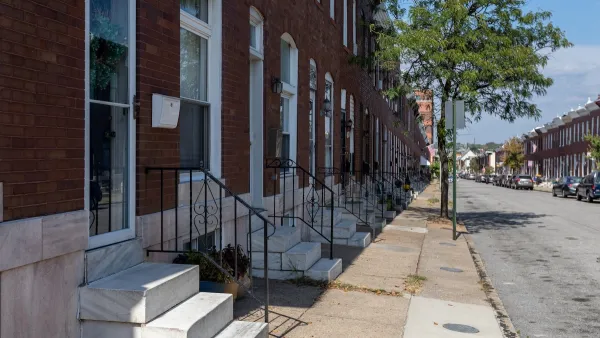
Baltimore to Allocate $44 Million to ADA Compliance
The plan is the result of a lawsuit brought by residents who say the city has failed to maintain safe, accessible sidewalks and streets for people with disabilities.
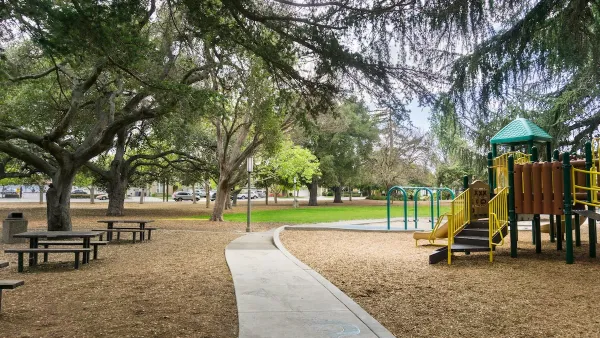
Ensuring the Long-Term Care of Parks for Equity and Sustainability
Securing the care and maintenance of parks in the long-term requires sustained funding, equitable resource allocation, and political leadership and will.
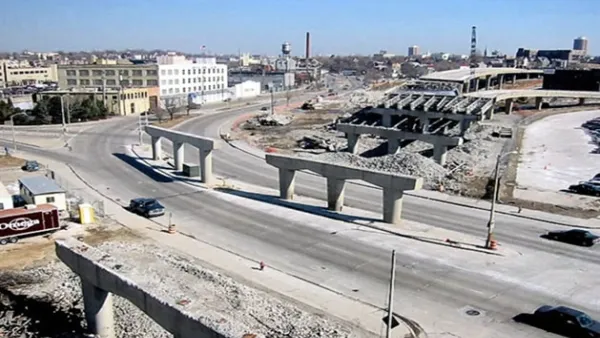
Bridging Divides: The Crucial Role of Collaboration in Highway Removal
Highway removal is most successful when agencies at all levels of government work closely with each other and the impacted community.
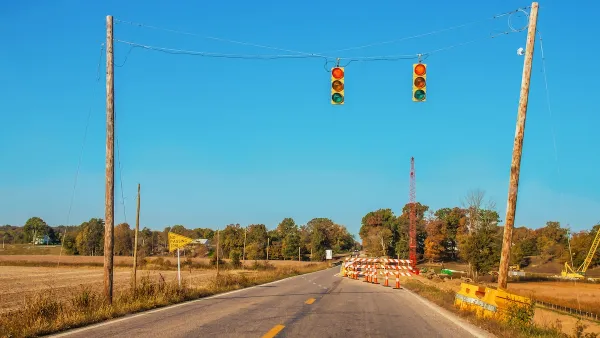
Report: Some Rural States Ahead of More Urbanized Ones in Reducing Transportation Emissions
This is a largely unintended consequence of states with lower populations and resources focusing on repairing existing roads and infrastructure rather than expanding and building new roads.

Opinion: Why Linking Driving to GDP Misses the Point
The argument that car-centric development is good because it boosts national GDP ignores the massive costs of driving to everyday Americans.
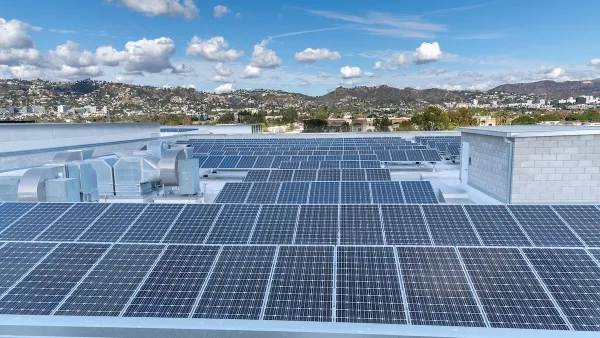
How Los Angeles County is Advancing Sustainability
A recently released report by the Chief Sustainability Office (CSO) shows that L.A. County is making progress on meeting the goals of the OurCounty Sustainability Plan.
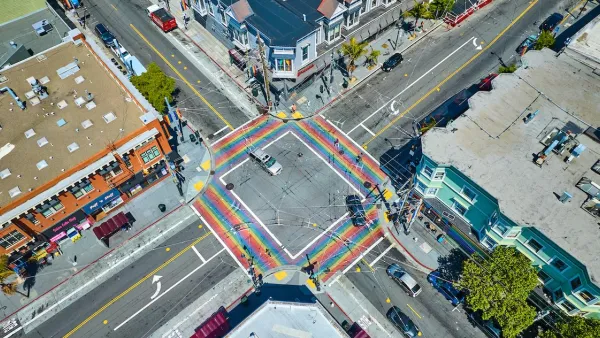
San Francisco Implements ‘Daylighting’ at Intersections
Vehicles are prohibited from parking within 20 feet of a crosswalk as part of the city’s Vision Zero efforts to eliminate traffic deaths and make roads safer.
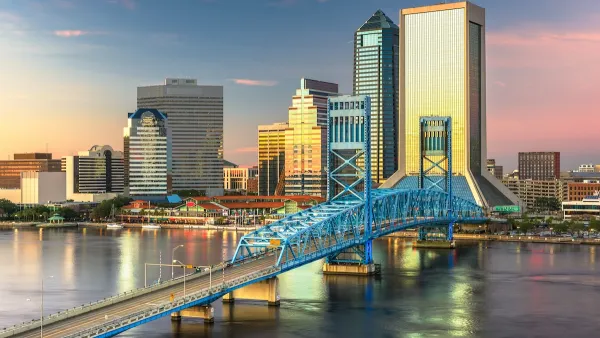
Jacksonville Takes Action on Vision Zero
The city is implementing its first-ever Vision Zero Action Plan in an effort to reduce pedestrian and cyclist deaths and serious injuries.
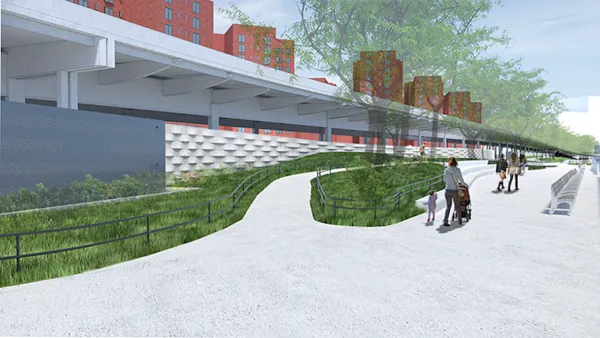
NYC Completes North Section of Coastal Resiliency Project
The city is raising shorelines and building protective gates to prevent future flooding and storm surges from impacting residents.
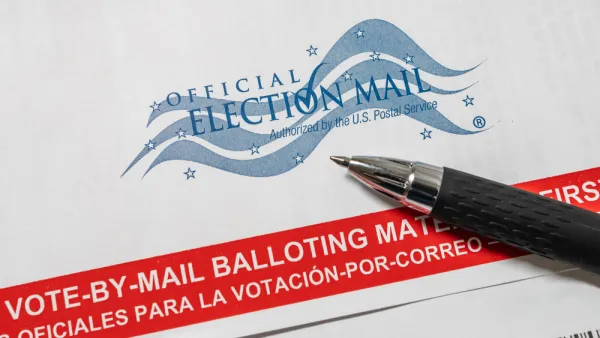
Planner’s Guide to 2024 State and Local Ballot Outcomes
Transit and environment came out on top on state and local ballots nationwide, while housing and marijuana initiatives proved less popular with voters.
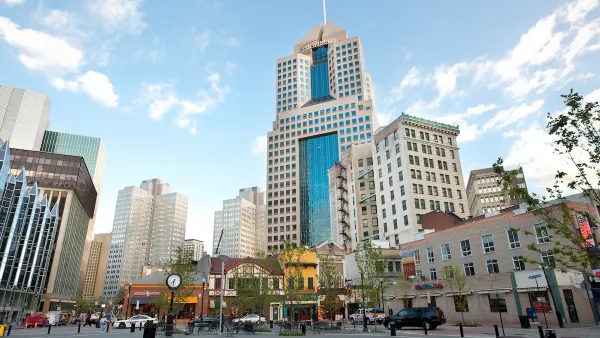
Pittsburgh Agencies Collaborate on Vision Zero Projects
The city reduced pedestrian deaths to seven in 2023.
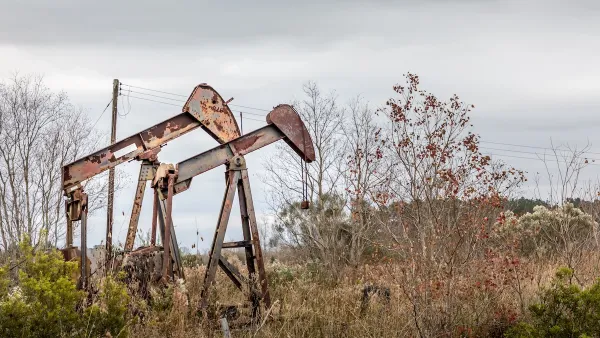
Addressing Orphan Wells for Environmental Justice
Remediating and repurposing some orphan oil and gas wells into parks can turn environmental hazards into community assets, promoting health, environmental justice, and accessible green space for underserved areas.
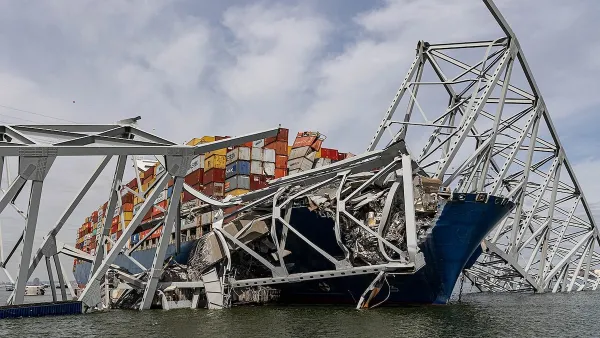
Baltimore Traffic Suffering From Absence of Key Bridge
The loss of a key route to the Port of Baltimore is causing major delays and long detours on alternate routes.
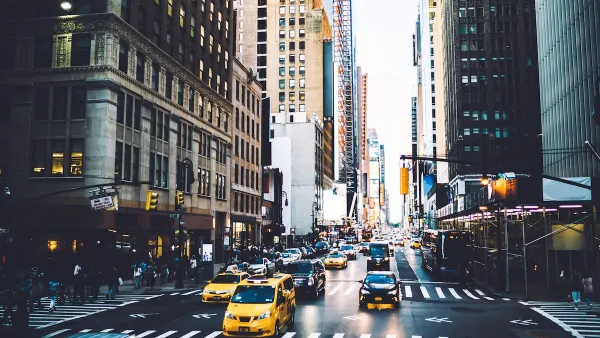
Trump’s Election Lends NYC Congestion Pricing Program New Urgency
New York Gov. Hochul has 75 days to reinstate the stalled program or risk losing billions in funding for the city’s aging transportation infrastructure and transit system.
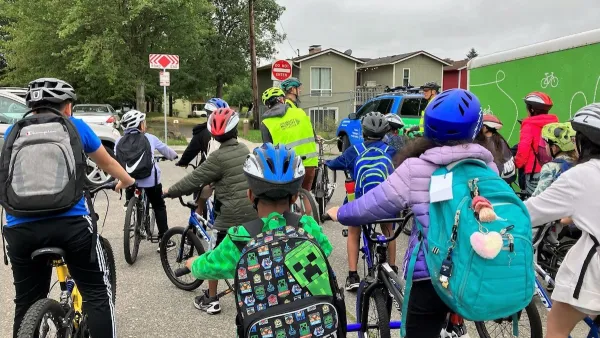
How Seattle Achieved Safe Routes to School Goal
SDOT has installed safety improvements at more than 260 public schools since 2015.

California Approves $10 Billion Bond for Water, Clean Energy, and Environmental Projects
Funds will be used to support water, wildfire prevention, environmental, and park projects, reflecting strong public support for climate resilience.
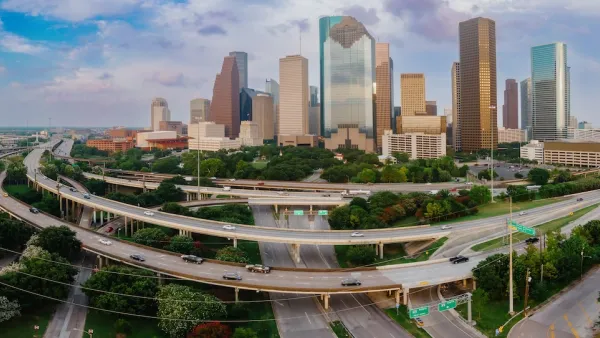
Interactive Map Highlights Freeway-Related Displacement in Houston
A new map illustrates the neighborhoods and buildings that were razed to make way for freeways and estimates the number of people displaced by roadways.
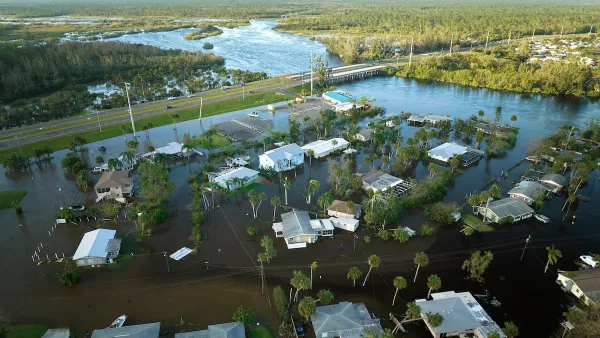
Research Shows White Communities Gain Affluence After Climate Disasters
People of color and lower-income residents tend to lose wealth despite the stated goals of federal assistance programs to restore communities impacted by disasters.
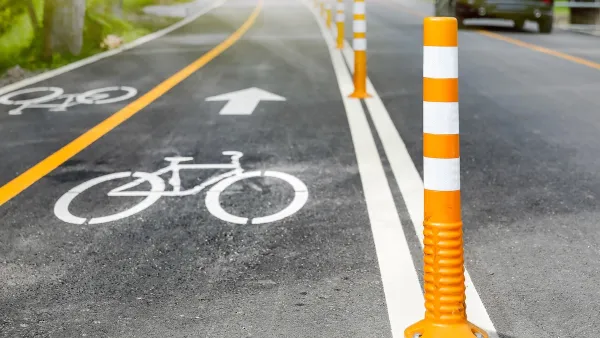
Study: Bike Lanes Improve Road Safety
Bike lanes delineated with bollards or traffic cones are most likely to slow drivers and reduce crashes between cars and bikes.
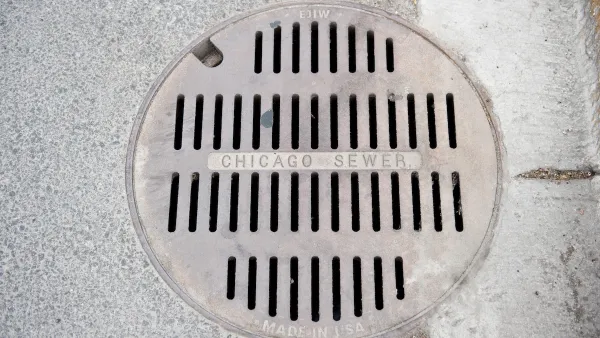
Chicago to Update Stormwater Plan
Chicago is one of 700 U.S. cities with combined sewer and stormwater systems that often lead to flooding during major rain events.

FREE Course: Walkable City 1: Why Walkability?
After describing his path towards focusing on walkability as the essence of good planning, Jeff Speck marches through his five principal reasons for making more walkable places.
Reinventing Malls: Planning Alchemy—Turning Gray Fields Into Gold
The course focuses on the opportunities and imperatives that shape reinvention of mall sites.

City of Charlotte
City of Rosemead
Rutgers University, Edward J. Bloustein School of Planning and Public Policy
University of Michigan School for Environment and Sustainability (SEAS)
Hunter College, City University of New York (CUNY)
The Architects Foundation
University District Partnership
City of Cambridge
The Pocatello Development Authority









