Infrastructure
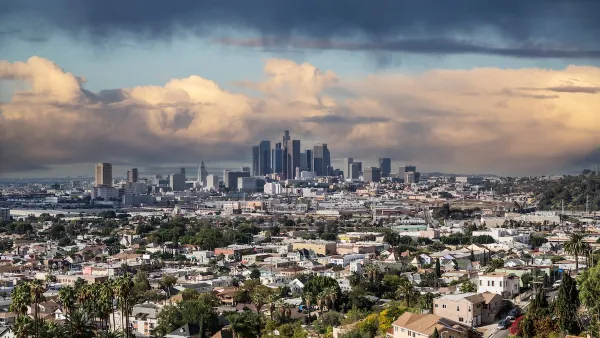
LA Neighborhood Residents Unite to Block Warehouse Project
A group of Lincoln Heights residents expressed concerns about a proposed warehouse that would have brought increased truck traffic to an already overburdened area.
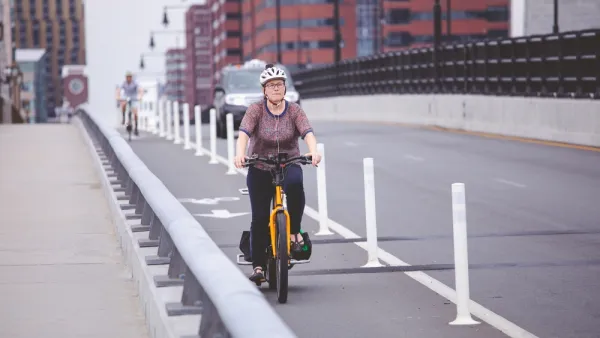
The Most Bike-Friendly States in the Nation
The League of American Bicyclists ranks states based on bike infrastructure and safety efforts.
Busting Common Planning Myths
Will removing parking minimums put a strain on existing parking supply? Are long-range traffic forecasts the best tool to guide decisions about our streets? Are one-way streets better than two-way streets?
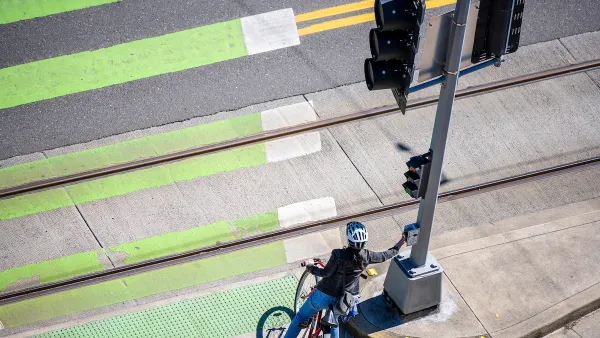
Audit: Portland’s Vision Zero Needs More Data, Funding
A city audit found that the program has failed to reduce traffic deaths and could benefit from a more systematic approach. Meanwhile, PBOT says it needs more state funding to support road safety projects.
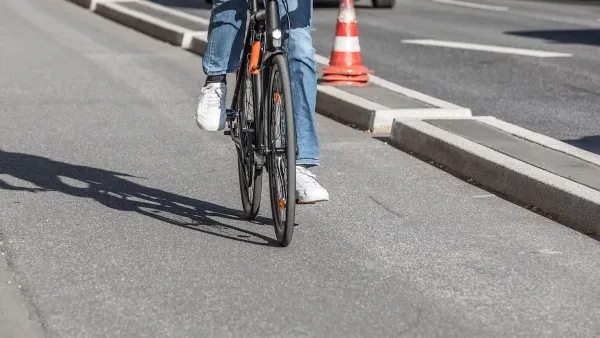
Southeast LA Road Safety Advocates Call for Improved Infrastructure
Streets in southeastern Los Angeles County have a severe lack of protected bike lanes and traffic safety measures, leading to high numbers of fatalities in a community where many residents depend on walking and biking for daily needs.
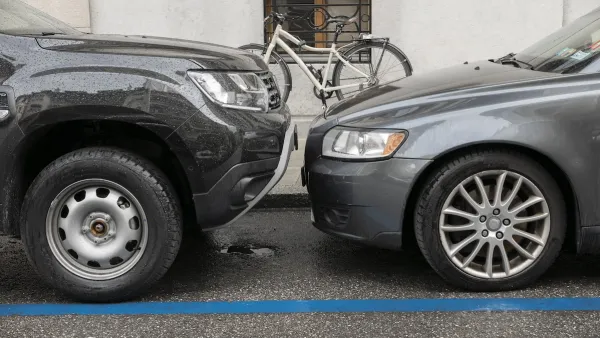
Tall Vehicles: Unsafe at Any Speed
Vehicles with taller front-end designs are more likely to injure pedestrians even when traveling at lower speeds.
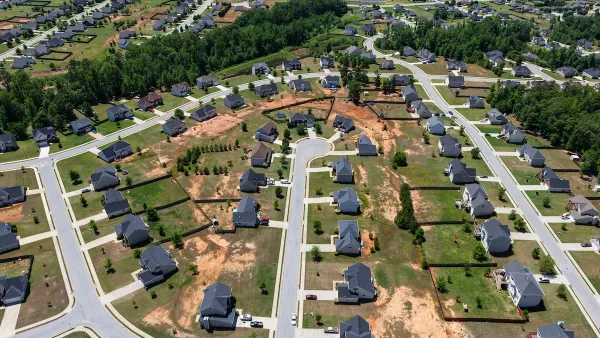
Commentary: Minimum Lot Sizes Drive Up Housing Costs
How making residential building requirements more flexible can ease the housing crisis and make neighborhoods more livable for more households.
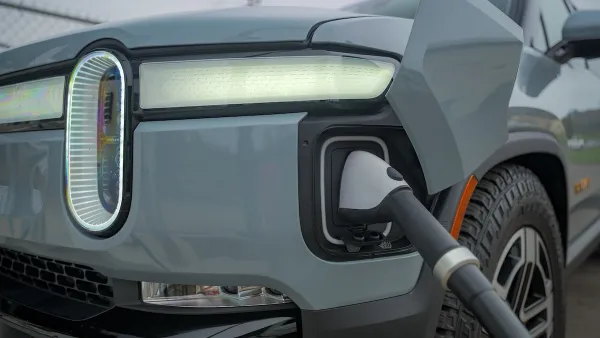
Rivian Joins Movement Toward Universal EV Charging
As more automakers like Tesla, Ford, and Rivian make their charging infrastructure compatible, the shift could lead to the faster development of a nationwide EV charging network.
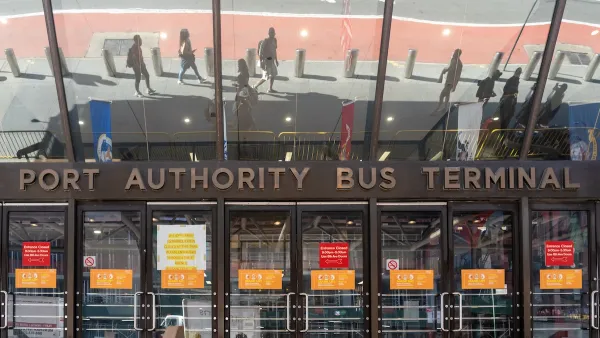
NYC Secures Funding for Midtown Bus Terminal Replacement
The aging Manhattan transit terminal, the world’s busiest, will receive a $10 billion revamp and expansion.
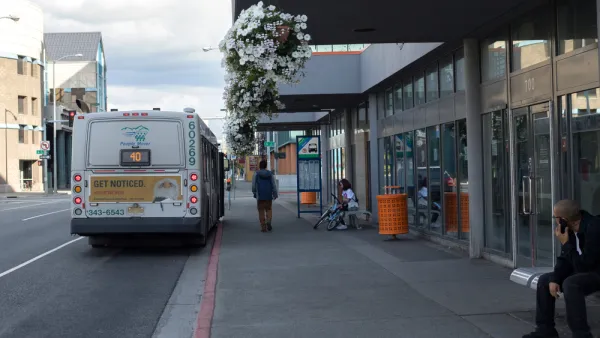
Anchorage Bus Depot to Reopen
After a four-year closure, a downtown Anchorage transit center will once again provide indoor waiting areas and services for bus travelers.
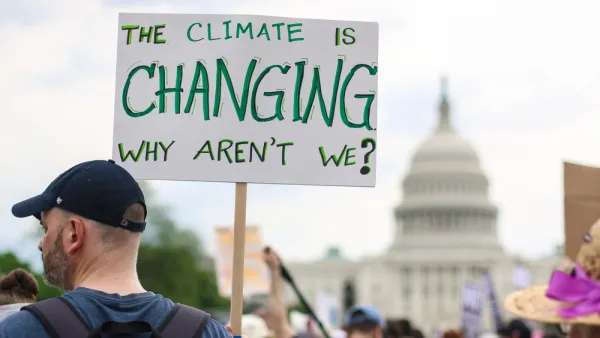
USDOT Releases Climate Strategies Playbook
The USDOT's new Climate Strategies that Work Playbook provides detailed information concerning benefits and implementation requirements for 27 transportation-related emission reduction strategies.
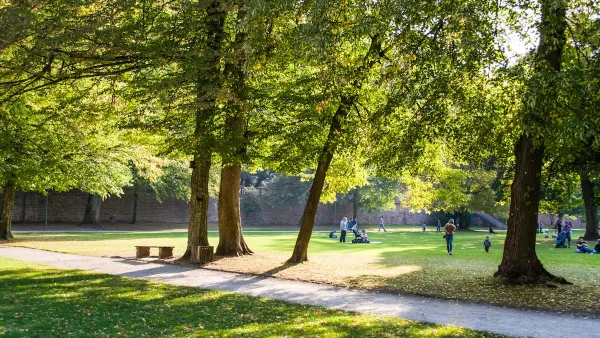
Global Report Shows Urban Forests Failing to Meet Vital Standards
The study reveals significant gaps in urban forestry, emphasizing the urgent need for reforms, innovative planting solutions, and expanded tree canopy to combat climate change and improve urban health.
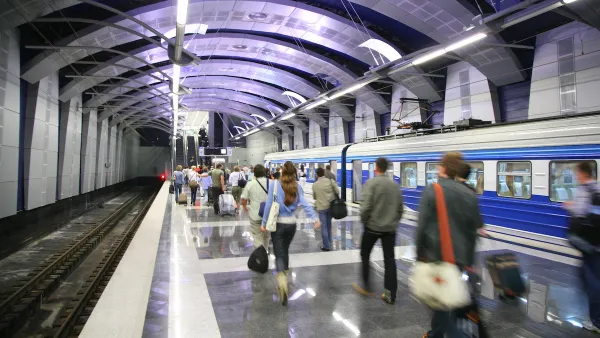
Freedom to Move: Investing in Transportation Choices for a Clean, Prosperous, and Just Future
This Union of Concerned Scientists study examines why and how to improve resource-efficient travel options to achieve diverse goals. It estimates that more efficient transport could save up to $201 billion in energy and $128 billion in health costs.
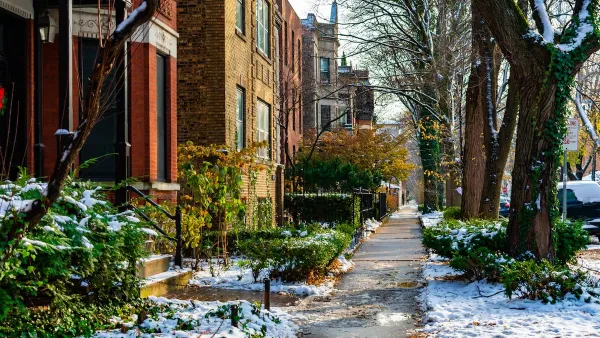
Chicago Budget Fails to Include Snow Plowing Program
Disability rights advocates say the “Plow the Sidewalks” program is a necessity for Chicagoans with limited mobility in winter months.
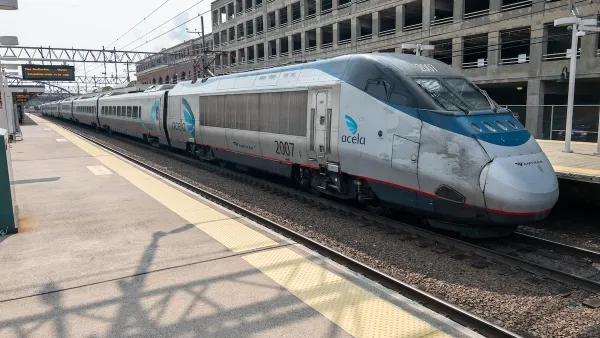
Amtrak Breaks Ridership Record in FY 2024
More Americans than ever rode the rails last year, also bringing the agency its highest ticket revenue.
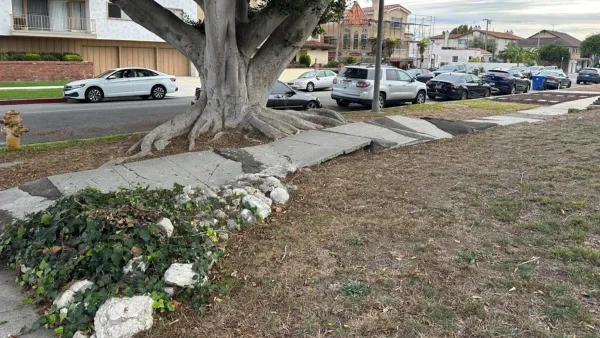
The City of Broken Sidewalks
Can Los Angeles fix 4,000 miles of broken sidewalks before the city hosts the 2028 Olympic Games?

Harnessing Waste Heat Through Thermoelectricity
Heat from industrial installations and buildings can be captured to create renewable electricity.

DC Bike Share Growing Fast, But Regional Gaps Remain
The wildly popular system ‘frays at its geographic edges,’ making its use less effective outside the central District.
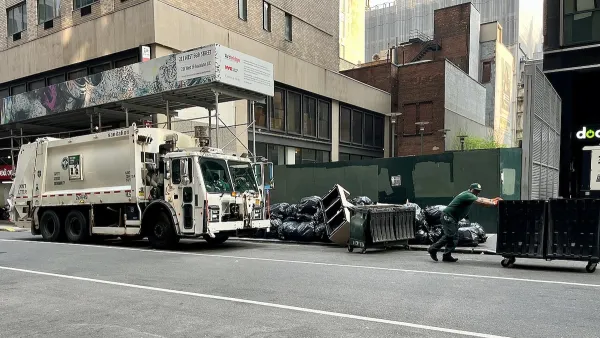
Parked Cars Hamper NYC Trash Containerization Effort
Sanitation workers must manually collect bags from containers blocked by parked cars, slowing a process that is meant to be safer and more efficient.

Milwaukee Interstate Removal Would Create Space for Thousands of New Housing Units
A proposal to replace the elevated Interstate 794 with a boulevard could create over a billion dollars in new development along the corridor.

FREE Course: Walkable City 1: Why Walkability?
After describing his path towards focusing on walkability as the essence of good planning, Jeff Speck marches through his five principal reasons for making more walkable places.
Reinventing Malls: Planning Alchemy—Turning Gray Fields Into Gold
The course focuses on the opportunities and imperatives that shape reinvention of mall sites.

City of Charlotte
City of Rosemead
Rutgers University, Edward J. Bloustein School of Planning and Public Policy
University of Michigan School for Environment and Sustainability (SEAS)
Hunter College, City University of New York (CUNY)
The Architects Foundation
University District Partnership
City of Cambridge
The Pocatello Development Authority









