Infrastructure
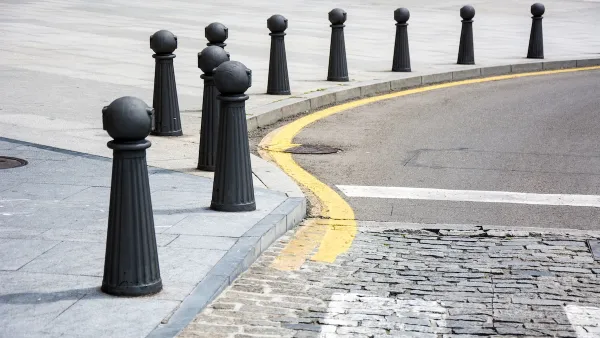
Why Aren’t There More Bollards in US Cities?
Solid barriers, like the dormant ones in New Orleans, are commonly used to improve road safety in Europe. Why not here?
USDOT Announces First Round of 2025 RAISE Grants
The agency awarded $1.32 billion in funds to transportation infrastructure projects aimed at road safety and mobility.
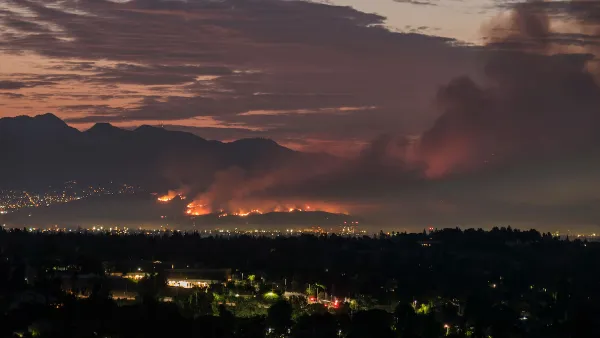
'Place Shock' and the Ecology of Fear
How to conceive of rebuilding places amid sudden change in a region known for its “ecology of fear?” As the city embarks on the arduous task of rebuilding, the question arises: how do we reconcile the imperatives of safety and sustainability with the deeply ingrained human desire for continuity, for a sense of rootedness in the familiar?
‘Safe Land Use:’ A Key to Road Safety
How approaching transportation planning through a public health lens can reduce traffic deaths.
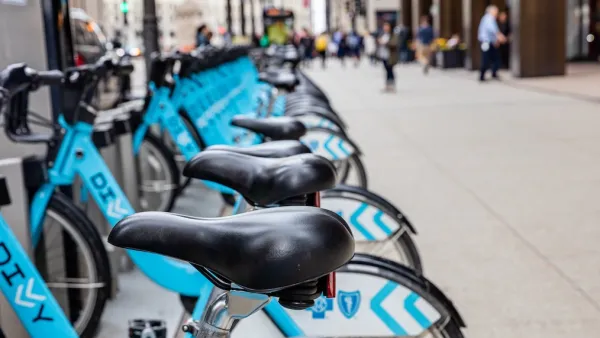
Chicago Sees Record Shared Bike, Scooter Use
Riders took over 11 million bike share and scooter trips in 2024.
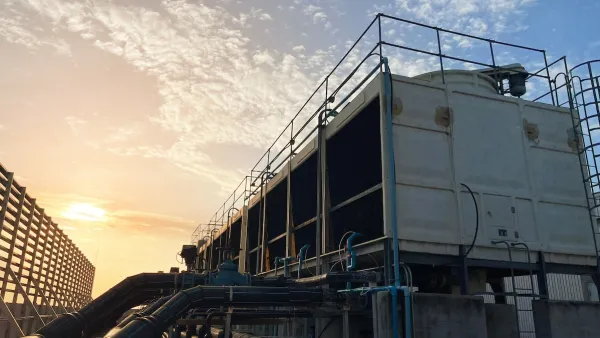
Growth of Ohio Data Centers Prompts Concerns
A watchdog group is questioning whether the benefits of data centers outweigh their negative impacts on the local economy and power grid.
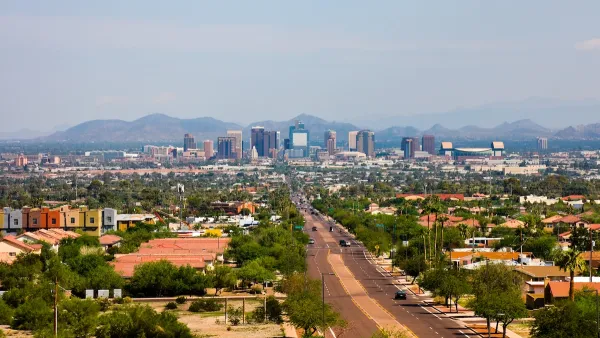
Urban Forest Initiative Launched in Phoenix to Combat Extreme Heat
Arizona State University's $5 million Greater Phoenix Urban Forestry Accelerator aims to combat record-breaking heat, improve shade coverage, and create green job pathways in underserved neighborhoods.
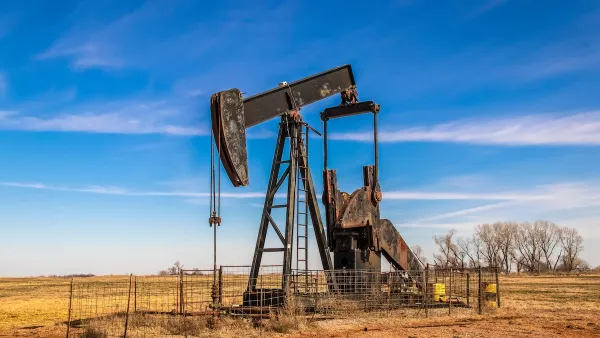
How an Environmental Liability Tax Could Solve the Orphan Well Crisis
An Environmental Liability Tax (ELT) on oil extraction would fund orphaned well cleanup, shift financial responsibility to oil companies, and address the environmental and public health risks posed by abandoned wells.

How AI Is Revolutionizing Urban Forestry and Climate Resilience
Tree-D Fusion, an AI-driven tool developed by MIT and Purdue researchers, generates 3D models of urban trees to help city planners visualize future green spaces, address climate challenges, and enhance urban livability and sustainability.
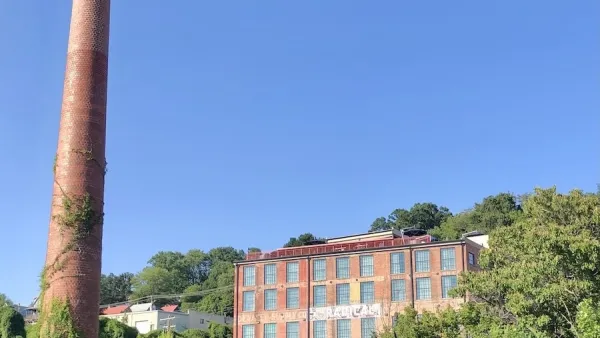
Post-Helene Reflections on Solastalgia and Community
Solastalgia is an increasingly relevant word that refers to the homesickness one feels when still at home, caused by distress due to environmental change in one’s home environment – for example, after a hurricane or wildfire.
Planning Year in Review 2024: An Ongoing Housing Crisis, the Fight for Climate Resilience, and a Mixed Bag for Transportation
A pedestrian safety crisis, rising housing instability, and destructive extreme weather events set the stage for an eventful year.
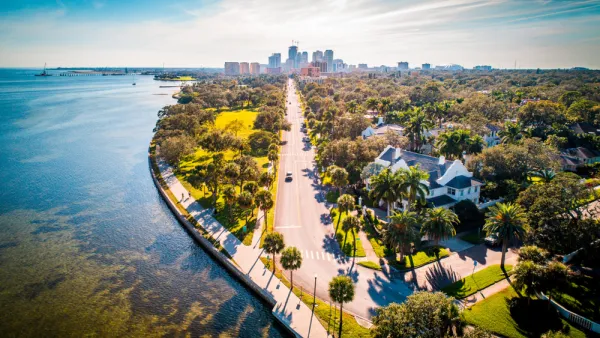
St. Petersburg Considering Protective Flood Barriers
The city could install AquaFence barriers around its most important wastewater pumping stations.
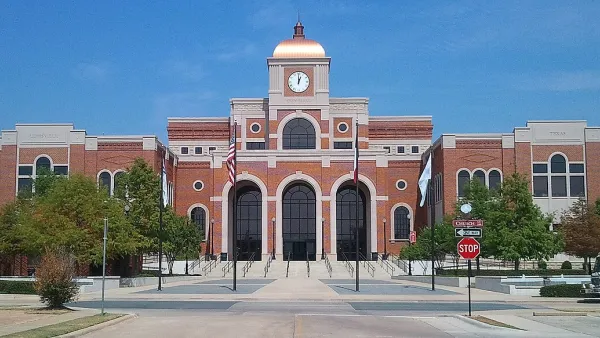
Transforming Communities Through Parks: Lessons from Lewisville
Lewisville, Texas, demonstrates how equitable planning and community-driven efforts can transform underserved areas by enhancing park access and promoting social and recreational equity.
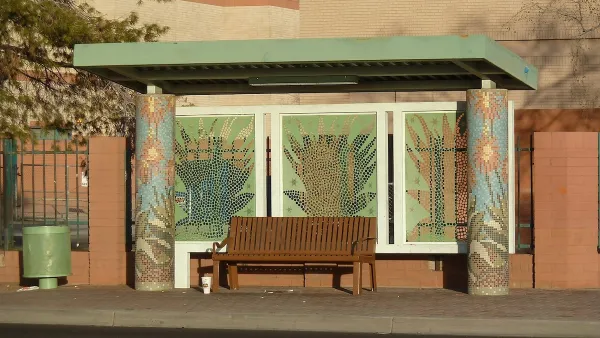
Phoenix Shade Plan Focuses on Bus Stops
The city’s updated Shade Master Plan calls for trees and built structures at bus stops to protect residents from heat.
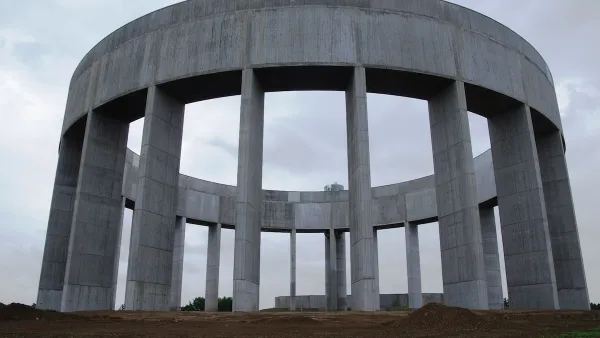
Innovative Water Towers Popping Up in Sweden
Swedish cities are encouraging designers to dramatically reimagine the humble water tower.
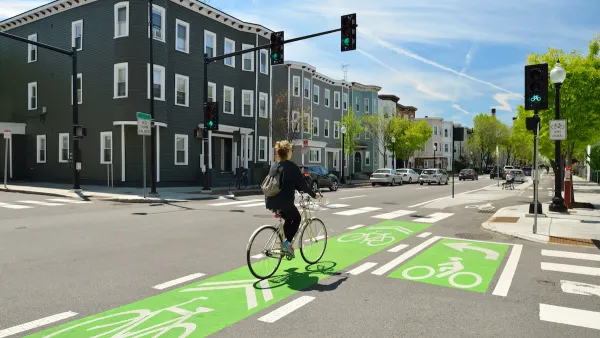
NACTO Releases Updated Urban Bikeway Guide
The third edition of the nationally recognized road design guide includes detailed design advice for roads that prioritize safety and accessibility for all users.
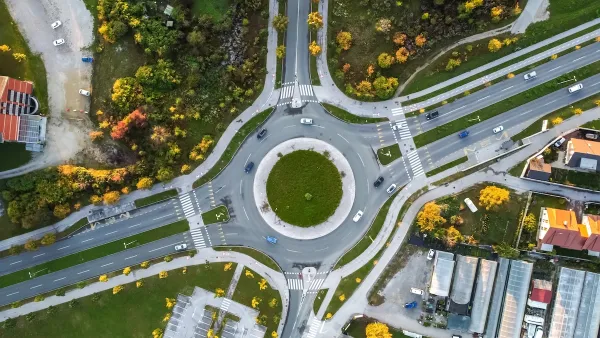
How I Learned to Stop Worrying and Love the Roundabout
What drives the U.S. backlash to roundabouts — objectively safer and more efficient than stop-and-go intersections?
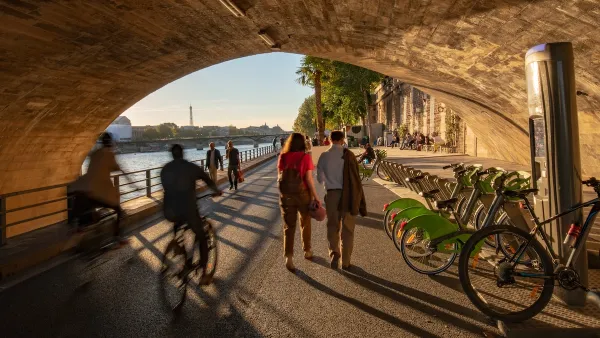
Cycling Doubles in Paris After Infrastructure Improvements
The city’s efforts to improve its bike infrastructure are paying off in spades.
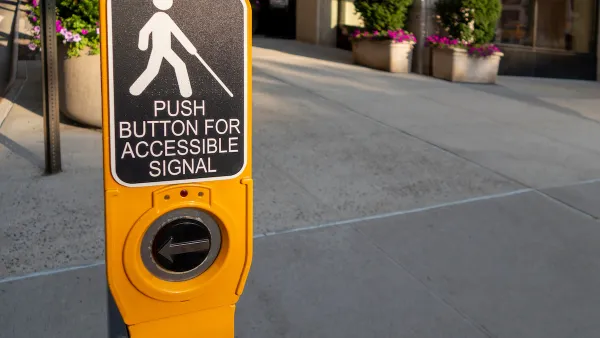
Accessibility and Car-Free Zones
Some critics of car-free zones call them exclusionary to people with disabilities, but other experts argue that, when properly planned, pedestrian enhancements improve safety and accessibility for everyone.
Accessibility and Car-Free Zones
Some critics of car-free zones call them exclusionary to people with disabilities, but other experts argue that, when properly planned, pedestrian enhancements improve safety and accessibility for everyone.

FREE Course: Walkable City 1: Why Walkability?
After describing his path towards focusing on walkability as the essence of good planning, Jeff Speck marches through his five principal reasons for making more walkable places.
Reinventing Malls: Planning Alchemy—Turning Gray Fields Into Gold
The course focuses on the opportunities and imperatives that shape reinvention of mall sites.

City of Charlotte
City of Rosemead
Rutgers University, Edward J. Bloustein School of Planning and Public Policy
University of Michigan School for Environment and Sustainability (SEAS)
Hunter College, City University of New York (CUNY)
The Architects Foundation
University District Partnership
City of Cambridge
The Pocatello Development Authority









