Infrastructure
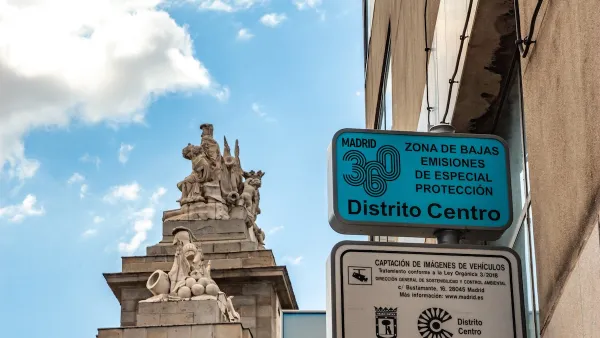
Madrid Uses Transit System for Parcel Delivery to Cut Emissions
A new pilot program uses trains to deliver packages at off-peak hours, lowering emissions from trucks.
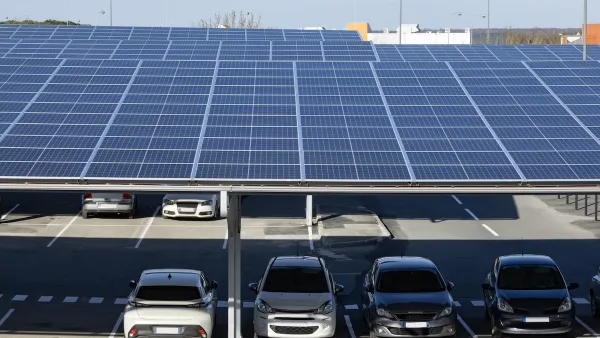
Commercial Buildings, Parking Lots Offer Significant Potential for Solar Energy
Massive swaths of flat rooftops, garages, and surface parking lots go underutilized. They could be producing renewable energy.
‘Week Without Driving’ Challenge: Are You Up For It?
The Week Without Driving challenge, scheduled Sept. 30 to Oct. 6 this year, encourages motorists, particularly policy makers and planning practitioners, to experience the challenges facing nondrivers in automobile-dependent communities.

St. Louis Zeroing in on Safe Streets
The city is creating its first Department of Transportation and using hundreds of millions in federal funding to launch road safety projects.
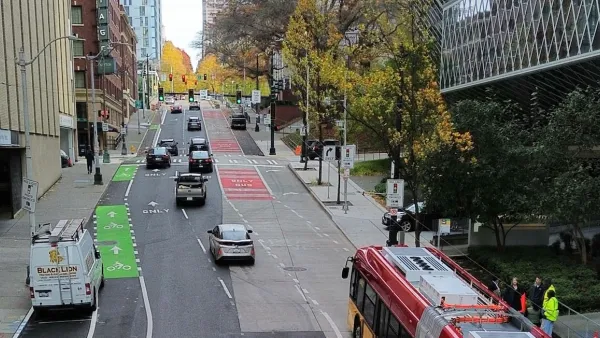
Seattle Launches New Rapid Bus Line
The new RapidRide G is King County Metro’s most ambitious BRT line to date.

The Essential Role of Parks in Advancing Sustainability
Parks are vital to sustainability, providing environmental, economic, and social benefits that improve public health, support biodiversity, and promote equity, as recognized in Los Angeles County’s OurCounty Plan.
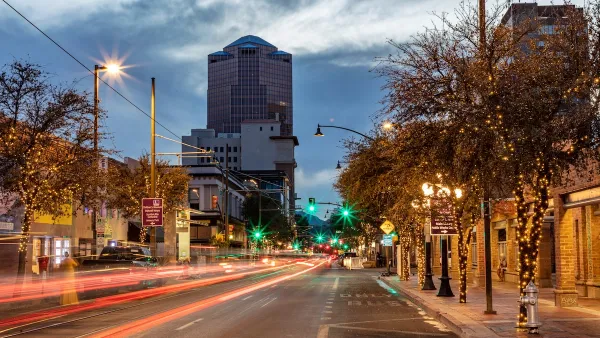
When ‘Prioritizing All Modes’ Is a Lie
In many cases, it’s impossible to prioritize the safety of pedestrians and other vulnerable road users without sacrificing some speed.
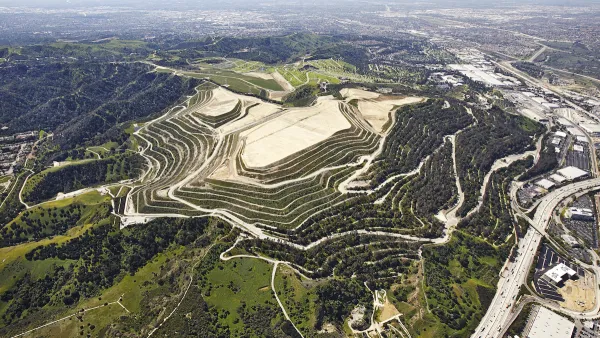
Puente Hills Landfill Redevelopment Plan Wins Award for Transformative, Climate-Responsive Design
This project to transform a former landfill into a climate-resilient public space has won the 2024 Global Impact Award from ASLA and IFLA for its innovative, community-driven design that addresses environmental and social challenges.
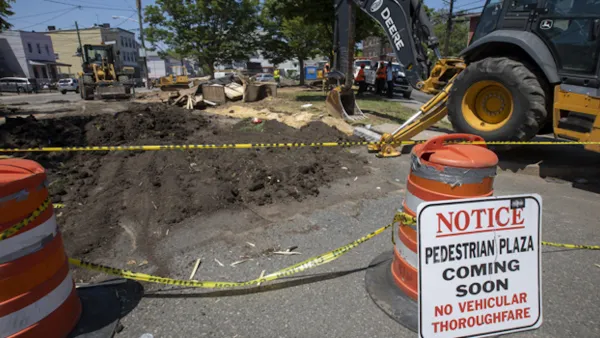
How Jersey City Dramatically Improved Its Public Realm
The city’s new Department of Infrastructure consolidates the management of public amenities and has guided the creation of new bike lanes, pedestrian plazas, and parks.

New Book Shows How Geographic Technology Tackles Global Challenges
In his new book, Jack Dangermond explores the transformative impact of GIS technology in solving global challenges through spatial data, highlighting its widespread application across sectors and its potential to design sustainable futures.

Massachusetts Has the Nation’s Only Successful Food Waste Ban
The state has reduced its methane emissions by 25.7 percent per ton of waste following a law that seeks to eliminate food waste from landfills.

Great Album Covers with Urban Planning Themes
Album covers that evoke urban themes.
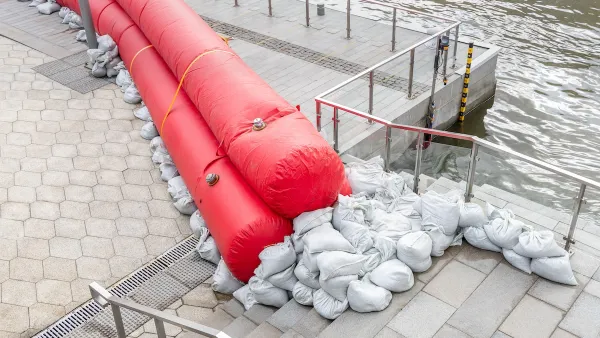
Planning for Future Floods
New climate and flood models are needed to understand growing flood risks.
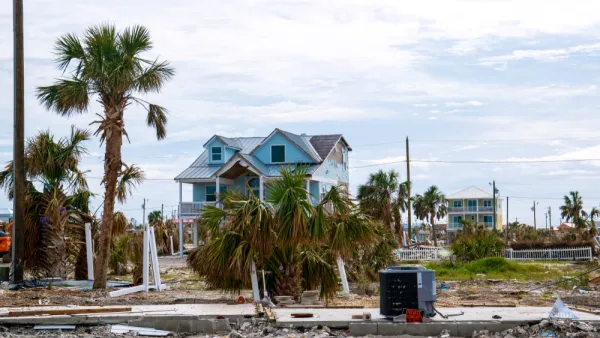
Commentary: Ensuring a Sustainable Future for Hurricane-Vulnerable Rural Communities Is Imperative
As we brace for the second half of the 2024 hurricane season, we need to take serious action to help rural communities recover and build greater resilience against hurricanes.
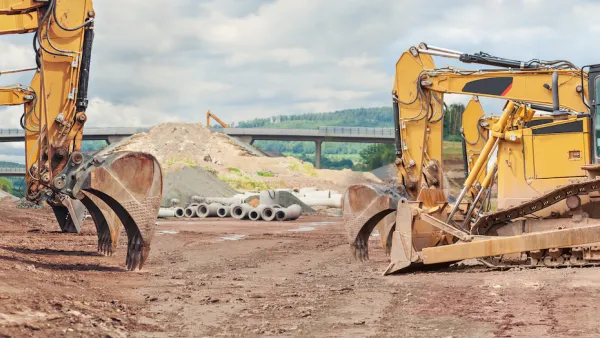
Reconsidering Travel Behavior in an Era of Decarbonization
It is time to reconsider assumptions about how much and how people want to travel. Per capita vehicle travel has saturated. Many people would prefer to drive less and rely more on non-auto modes, provided they are convenient and affordable.

USDOT Issues $1B in Road Safety Grants
The funding is aimed at helping cities plan and implement safety improvement projects to reduce road deaths and major crashes.

How Effective Street Lighting Improves Women’s Mobility
A lack of effective lighting in streets, parks, and transit stations limits the places where many women and other vulnerable groups feel safe traveling at night.
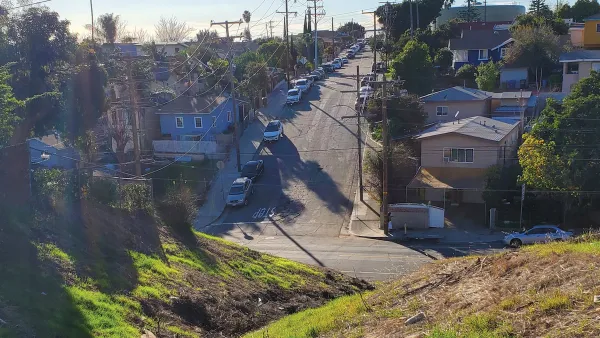
Envisioning a New Park in East Los Angeles
Los Angeles County is working towards transforming underutilized land into a vibrant pocket park in the City Terrace neighborhood of East LA.
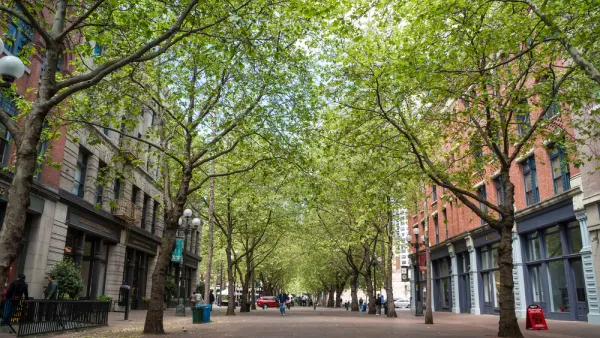
Symposium Highlights the Crucial Role of Trees in Combatting Extreme Heat
Experts emphasize that planting and maintaining trees in urban areas is essential for reducing extreme heat, cooling cities, and preventing heat-related illnesses, especially as heatwaves become more frequent and severe.
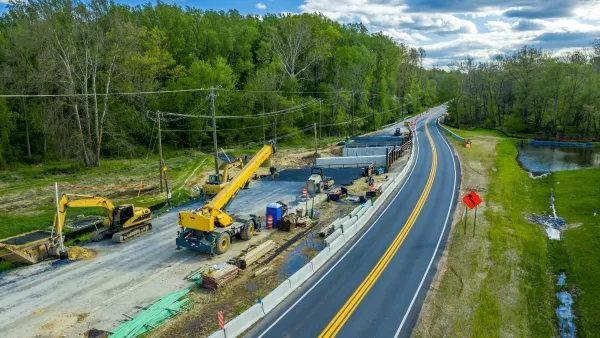
Study: Cost of Expanding Roads Outweighs Benefits
New research shows that the economic benefits of roadbuilding projects don’t come close to exceeding most projects’ costs.

FREE Course: Walkable City 1: Why Walkability?
After describing his path towards focusing on walkability as the essence of good planning, Jeff Speck marches through his five principal reasons for making more walkable places.
Reinventing Malls: Planning Alchemy—Turning Gray Fields Into Gold
The course focuses on the opportunities and imperatives that shape reinvention of mall sites.

City of Charlotte
City of Rosemead
Rutgers University, Edward J. Bloustein School of Planning and Public Policy
University of Michigan School for Environment and Sustainability (SEAS)
Hunter College, City University of New York (CUNY)
The Architects Foundation
University District Partnership
City of Cambridge
The Pocatello Development Authority









