A new pilot program uses trains to deliver packages at off-peak hours, lowering emissions from trucks.


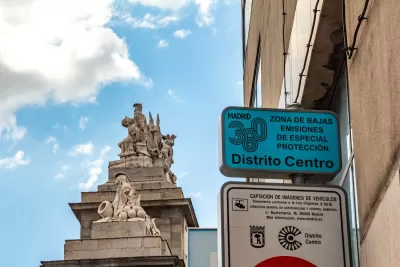
The city of Madrid, Spain will use its transit system to deliver packages during off-peak hours as part of a pilot program aimed at reducing transportation emissions.
According to an article by Ian Betteridge in Global Railway Review, “The project, undertaken in collaboration with courier company GLS Spain, will run for an initial three-month period. These trains will operate between 19:00 and 20:00 to avoid disruptions to regular passenger service. An estimated 700 parcels per day will be transported, with stops at key stations including Universidad Rey Juan Carlos, Alcorcón Central, Hospital Severo Ochoa and El Bercial.”
A second phase of the project will introduce deliveries from outer areas to the central low-emissions zone (LEZ) using freight trains, as well as bikes and trolleys for last-mile segments.
The city, which is a major distribution hub for Southern Europe, is launching a Logistics Agency to better manage regional logistics infrastructure.
FULL STORY: Madrid Metro to launch pilot logistics programme for parcel delivery


NRDC Releases State Transportation Scorecard
The Getting Transportation Right report highlights which states are making the most progress on reducing transportation emissions and improving access to clean transportation options.

How Cities Can Lead the Way in Reducing Transportation Emissions
Decisions made at the local level can have a significant impact on emissions in the transportation sector.

NYC Truckers Join Fight Against Trump's Bus Lane Removal
An industry group is denying the FHA’s claim that a proposed bus lane would hamper delivery trucks and freight.

Planetizen Federal Action Tracker
A weekly monitor of how Trump’s orders and actions are impacting planners and planning in America.

The state-sanctioned urbicide of Austin
People don’t kill cities. Freeways do.

US to reduce Colorado River water deliveries to Mexico
A new Colorado Treaty amendment reduces Mexico’s Colorado River water allocation by 250,000 acre feet.

5 New England states march closer to 800 megawatt wind energy project
Securing federal approval for the project may be complicated under the Trump administration, which has historically been hostile towards domestic wind power.

Baltimore to break ground on $50 million Transit Priority Project
The project will bring faster bus trips, safer streets and better bike connections to Baltimore.

Airbnb launches $250 million 'last-dollar financing' housing accelerator, makes first investment in Austin
The company will put $6.4 million towards affordable housing development in Texas’ capital.

FREE Course: Walkable City 1: Why Walkability?
After describing his path towards focusing on walkability as the essence of good planning, Jeff Speck marches through his five principal reasons for making more walkable places.
Reinventing Malls: Planning Alchemy—Turning Gray Fields Into Gold
The course focuses on the opportunities and imperatives that shape reinvention of mall sites.

Eagle County Government
Harvard University Graduate School of Design
Nashville Planning Department
The Architects Foundation
University of Cincinnati Online
The Pocatello Development Authority
The Urban Renewal Agency of the City of Pocatello
Journal of the American Planning Association