Exclusives
FEATURE
Pollution, Place, and the Unnecessary Tragedy of Premature Death: Lessons for COVID-19
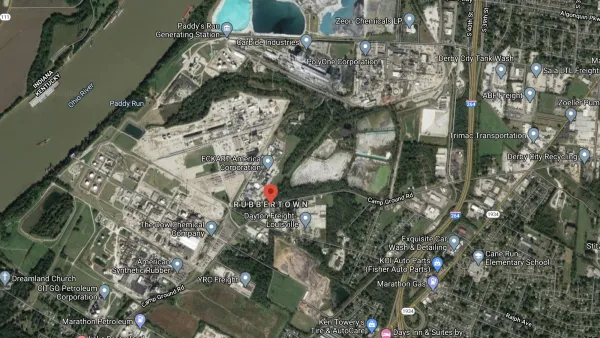
In Louisville, scene of multiple instances of police violence in recent weeks, low-income and Black populations living in neighborhoods dealing with decades of industrial pollution are now suffering the worst public health outcomes of COVID-19.
BLOG POST
Racial Equity and Urban Climate Action
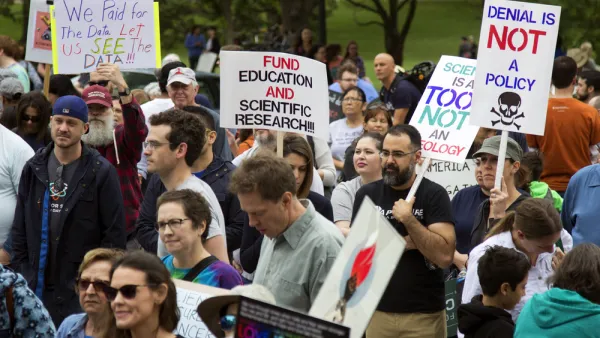
Equity is hardly mentioned in most urban climate action plans, but a few cities, like Austin, Texas, are leading the charge to center in equity in both the process and content of climate planning.
BLOG POST
Could Greenhouse Gas Emissions Be Added To COVID-19's Casualty List?
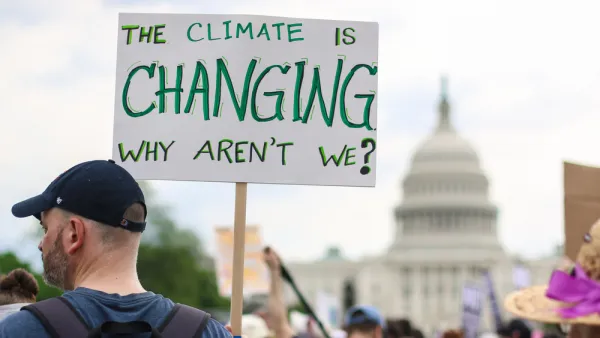
As the world rebounds from the first wave of coronavirus, and countries around the globe prepare to spend trillions of dollars for stimulus, should the funds be earmarked to flatten the climate curve?
BLOG POST
Blue-State Plague No More
A month or two ago, COVID-19 was primarily a Northeastern problem. Is that still the case?
BLOG POST
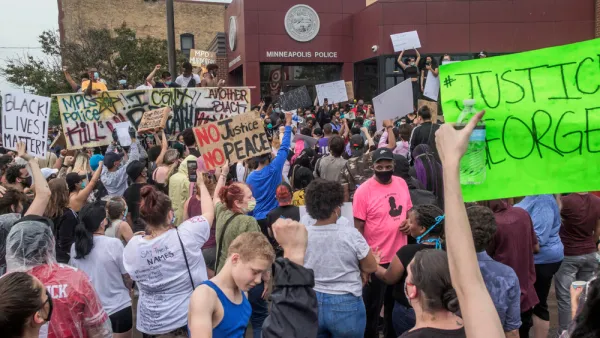
Violence Against Black Americans a Moment of Reckoning for the Planning Profession
After a wave violence against Black men in the United States, it is the duty of the planning profession to consider its role in perpetuating institutional racism.

FEATURE
The Urban Project: Urbanization, Urbanisms, and the Virus—A Historical Take
Perceptions of what makes density either "good" or "bad" have shifted over the years, and the pandemic is likely to precipitate another shift.

BLOG POST
The Growing Footprint of Al Fresco Streets
The al fresco streets movement, moving dining and retail space into the public realm in space historically devoted to automobiles, continues to gain momentum around the country.
BLOG POST
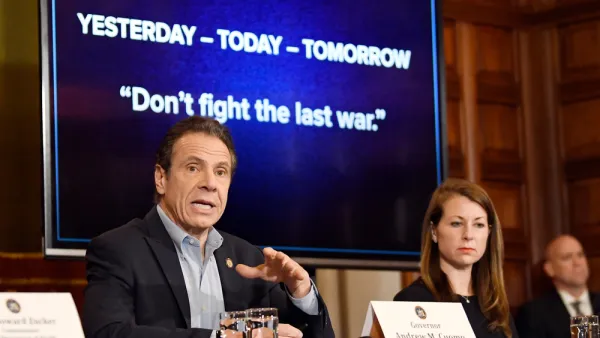
4 Predictions for Urban Planning Post-Coronavirus
The big question for planners since the outset of the pandemic has been how cities and communities will change, and what role planners will take in implementing those changes. Here are four potential ways for urban planning to respond to the crisis.
FEATURE
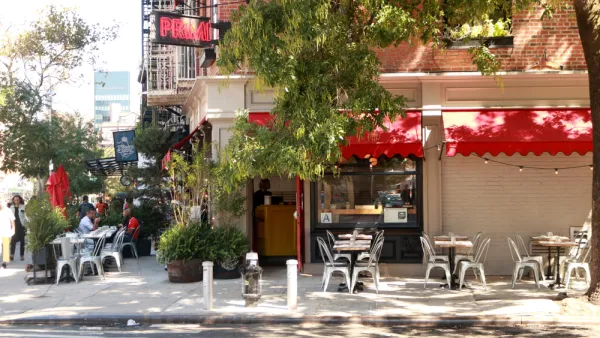
Cities Are Suddenly a Little Less Car-Centric
(Opinion) After devoting more than a century of planning and engineering effort to the movement and storage of cars above all other considerations, U.S. cities have suddenly, temporarily shifted priorities.
BLOG POST
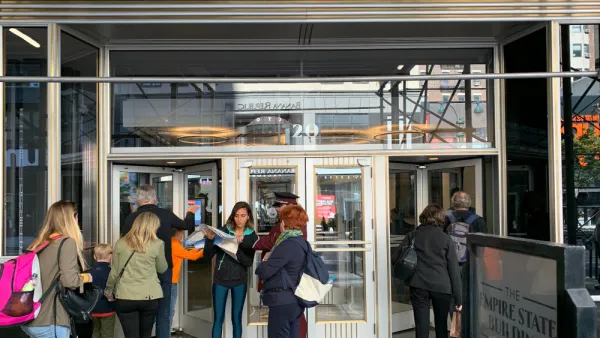
Elevators Are Not the Villain
Even some defenders of urbanism fear buildings that are tall enough for elevators. This fear does not seem to be supported by New York infection data.
FEATURE
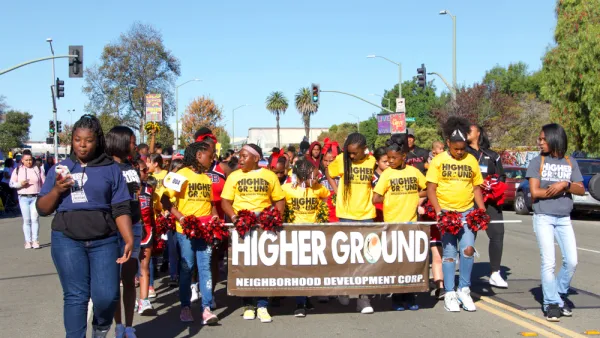
Viral Inequality and Climate Justice
Several cities have modeled an economic recovery that centers environmental justice. Political will is necessary to ensure a safer and healthier future for all communities.
BLOG POST
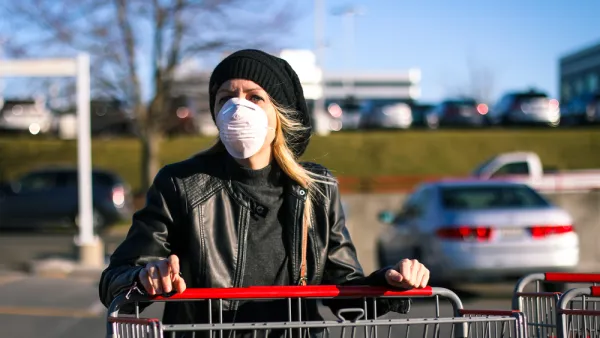
Lessons from Pandemics: Disaster Resilience Planning
What can we learn from the COVID-19 pandemic to help plan more resilient communities that can respond to all types of economic, social, and environmental shocks?
FEATURE
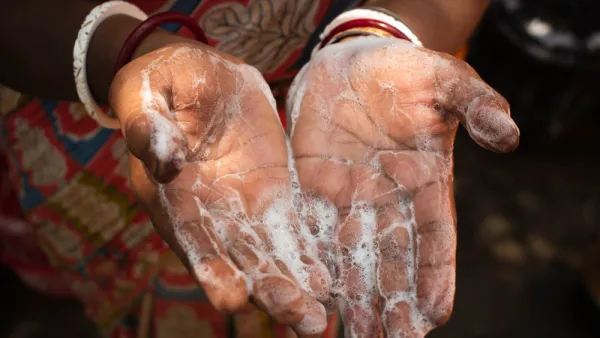
Urban Planning Resources for COVID-19
Online misinformation has been unavoidable, but the Internet is also full of tools essential for understanding the changed world of COVID-19.
BLOG POST
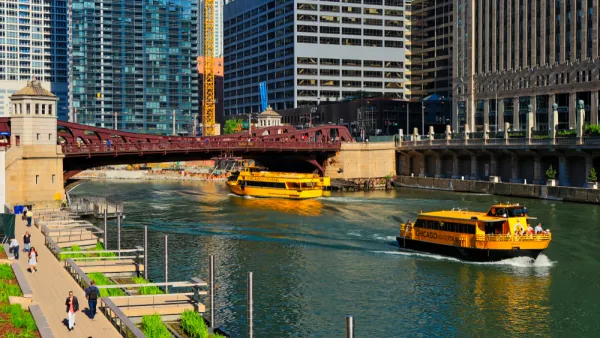
COVID-19 and Big, Dense Cities That Aren't New York
As in metropolitan New York, big, dense cities don't always suffer from coronavirus to a greater extent than their car-oriented suburbs.
BLOG POST
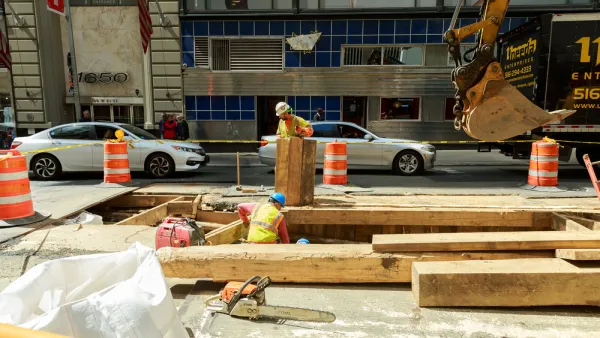
How Local Projects Could Spur COVID-19 Economic Recovery
While some cities and states have prohibited all construction during the first few months of the pandemic, other locations are leaning on construction projects as a source of employment and improvements during tough times.
BLOG POST
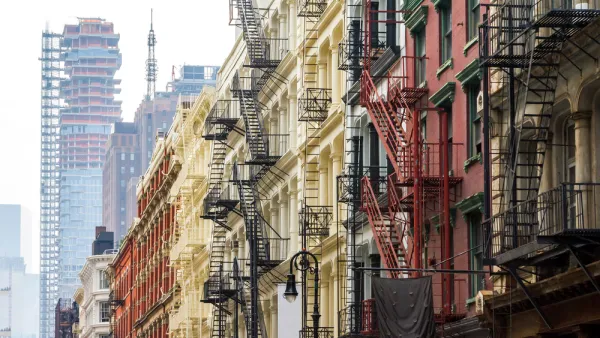
Density Debate Rages Alongside the Pandemic
Questions about how highly contested questions about the future of the built environment will reference COVID-19 for years to come. The question about whether that debate will achieve any actual change is still very much up for debate.
BLOG POST
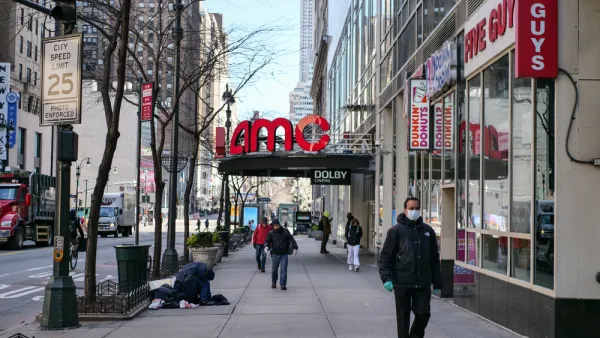
Late Action, Local Opposition Frustrate Emergency Homeless Shelter Plans
Some progress, but not nearly enough, has been reported as California and its cities scramble to procure temporary shelters to house homeless people during the pandemic.
BLOG POST
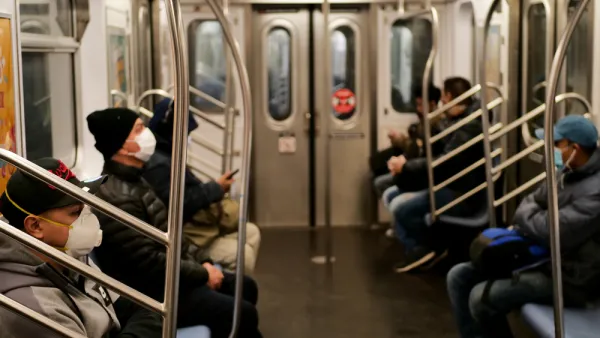
Lessons from Pandemics: Transportation Risks and Safety Strategies
Many people assume that infectious disease risks make public transport dangerous and automobile travel safe, but this is generally untrue. Other factors have more effect on pandemic risk.
BLOG POST
Earth Day: 1970 and Now
The decade that began with the first Earth Day became a pivotal moment in U.S. environmental awareness and action. The core principles of the environmental decade are now questioned in the highest offices of our land.
FEATURE
Is it Time to Revive the Pattern Language?
Software and other fields have made brilliant progress with the pattern language methodology, while built environment fields lag badly, mired in parochial debates over the massive book that invented the methodology.
Harvard University Graduate School of Design
KFH Group Inc.
Greater Baltimore Committee
The Architects Foundation
University of Cincinnati Online
The Pocatello Development Authority
The Urban Renewal Agency of the City of Pocatello

FREE Course: Walkable City 1: Why Walkability?
After describing his path towards focusing on walkability as the essence of good planning, Jeff Speck marches through his five principal reasons for making more walkable places.
Reinventing Malls: Planning Alchemy—Turning Gray Fields Into Gold
The course focuses on the opportunities and imperatives that shape reinvention of mall sites.