Exclusives
BLOG POST
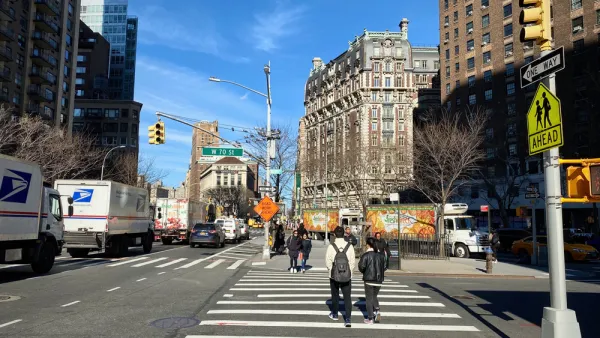
Learning About the City by Running for Office
When you are trying to get people's attention, a city feels very different.

PLANOPEDIA
What Is Multi-Family Housing?
Often discussed in contrast with single-family zoning, multi-family housing includes buildings and complexes that house more than one household in the same property.
FEATURE
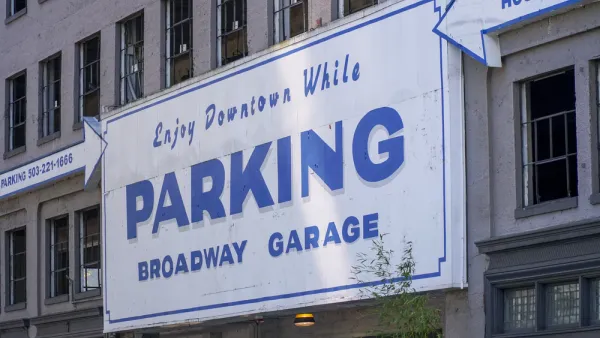
The Perils of Central Planning for Parking
Donald Shoup, the author of the seminal planning book "The High Cost of Free Parking," explains how parking requirements have poisoned cities and why poor planning is to blame.
BLOG POST
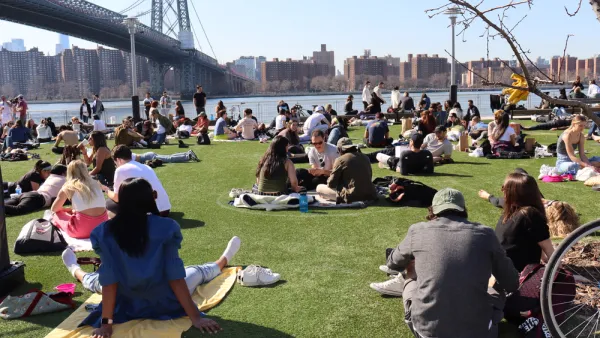
Most Questions About the Long-Term Impact of the Pandemic Still Unanswered
Planetizen started gathering articles attempting to predict the post-pandemic future in March 2020. The work goes on, with many questions left still to be answered.

FEATURE
An Open Space Plan for Cultural Landscapes, Resilience, and Growth in the Coastal Southeast
The Beaufort County Greenprint Plan, completed in 2020, offers an innovative model of open space planning integrated within a larger planning framework.
PLANOPEDIA
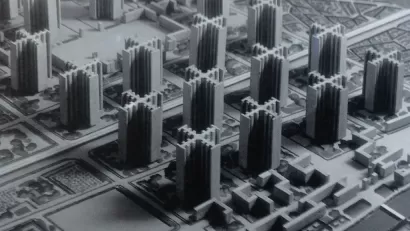
What Are Le Corbusier's Towers in the Park?
Part of a movement that sought to modernize cities through a rational reorganization of the urban form, "Towers in the Park" is a style of housing development that emphasizes a separation of uses and access to communal green space and amenities.
BLOG POST
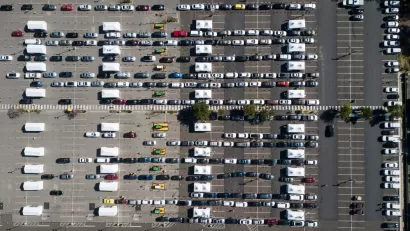
COVID Vaccines Are Already Changing Cities
Here are just a few ways urban environments are transforming and reinventing themselves in the wake of the coronavirus.
FEATURE
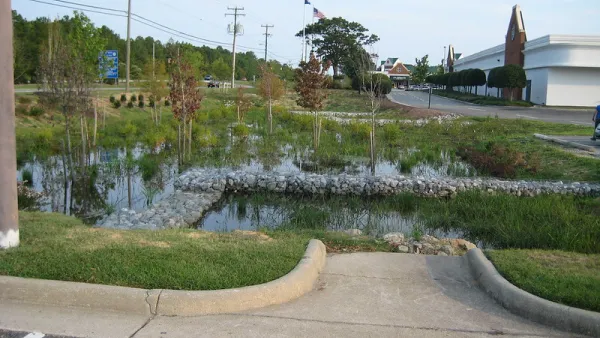
FYI about GSI: The Recipe for Green Stormwater Infrastructure Success
New research highlights some of the ways planners can increase the social benefits and public acceptance of green stormwater infrastructure.

PLANOPEDIA
What Are Housing Subsidies?
Housing subsidies can work in numerous ways, all with the common cause of easing the cost burdens of housing.

BLOG POST
The Housing Supply Debate: Evaluating the Evidence
Let's rely on science, not ideology and propaganda, when planning solutions to urban unaffordability. Look for credible evidence in the peer-reviewed publications referenced here.
FEATURE
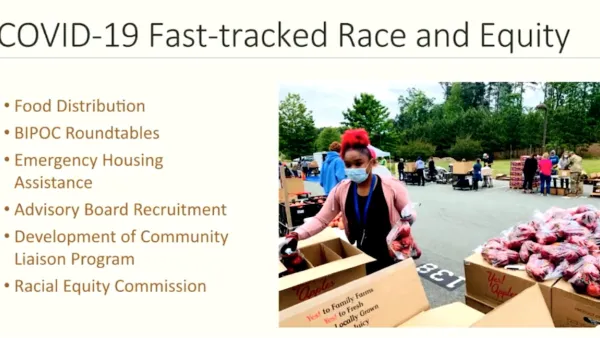
Equity and 'Righting Past Wrongs' to Start the 2021 National Planning Conference
The American Planning Association's 2021 National Planning Conference started streaming this morning, with an obvious focus on equity and the historical role of the planning profession in perpetuating systemic racism.
BLOG POST
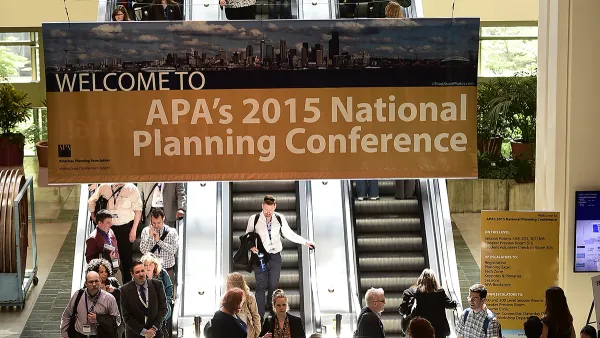
Planning for the 2021 National Planning Conference
After last year's National Planning Conference was canceled in the early days and weeks of the COVID-19 pandemic, the annual event returns online, with tons of planning content and even several avenues for networking and socializing.
PLANOPEDIA
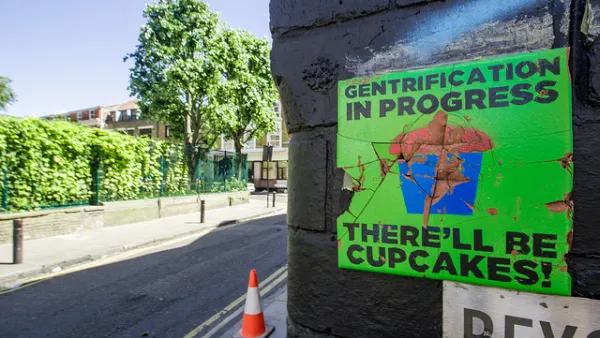
What Is Displacement?
Displacement—the forced relocation of existing residents and businesses was once a desired outcome of the "urban renewal" projects of the 20th century. In the 21st century, displacement is a highly contested, hard to trace, effect commonly linked to gentrification and urban revitalization.
FEATURE
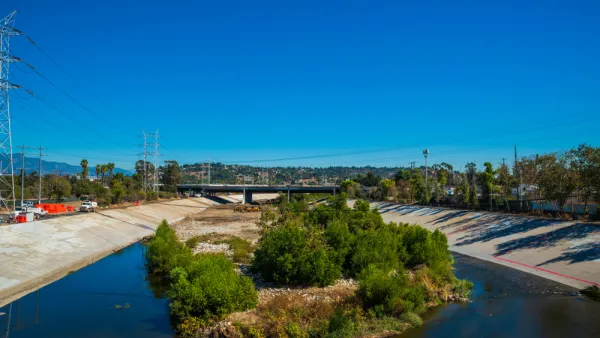
A Comment for the L.A. River Master Plan
Five themes proposed to achieve justice and sustainability for the Los Angeles River and its surrounding communities.
PLANOPEDIA
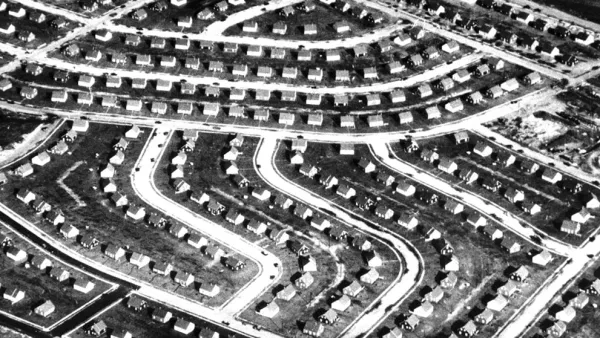
What Is Levittown?
Known as the archetypal post-war American suburb, Levittown was the first mass-produced housing development and set a standard for planned subdivisions for decades to come.

BLOG POST
3 Takeaways From 2020 Census Apportionment Data
The U.S. Census Bureau yesterday released its first set of apportionment population and resident population counts for the nation and each state.

BLOG POST
Can I Be a Libertarian for Bike Lanes?
Discussing the trade-offs between making government leaner and making traffic safer.

BLOG POST
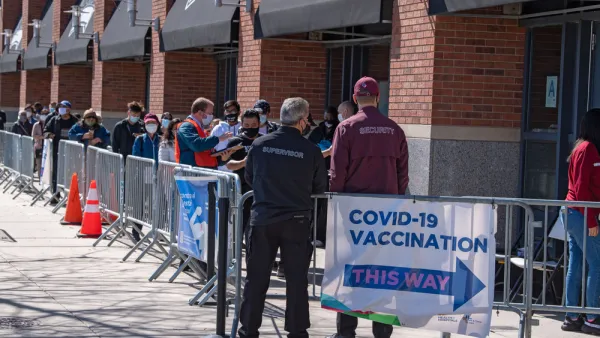
Light at the End of the Tunnel Reveals the Work to Come
The latest edition of an ongoing compendia of articles trying to make sense of the deep uncertainties of the pandemic—and what it all means for the future of cities.
BLOG POST
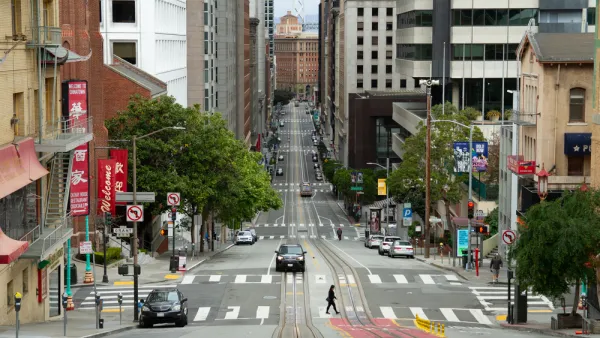
Retaining Skilled Workers in Urban Areas
Over the past year, there's been a mass exodus out of major urban areas. In states like New York, Illinois, and California, more than 59% of migration was outbound.
City of Rosemead
Rutgers University, Edward J. Bloustein School of Planning and Public Policy
One Hundred Miles
University of Michigan School for Environment and Sustainability (SEAS)
Hunter College, City University of New York (CUNY)
The Architects Foundation
City of Cambridge
Montrose County
The Pocatello Development Authority

FREE Course: Walkable City 1: Why Walkability?
After describing his path towards focusing on walkability as the essence of good planning, Jeff Speck marches through his five principal reasons for making more walkable places.
Reinventing Malls: Planning Alchemy—Turning Gray Fields Into Gold
The course focuses on the opportunities and imperatives that shape reinvention of mall sites.











