Exclusives

BLOG POST
How Cities Are Using Wastewater to Test for COVID-19
Some scientists and city officials are moving ahead with a different way to track the virus’s spread: wastewater testing.
FEATURE
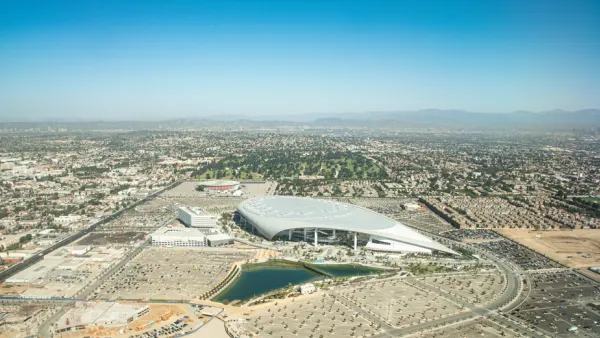
Stadiums, Space, and the City
Stadium footprints are enormous. It's time to get smarter about how they are used.
BLOG POST
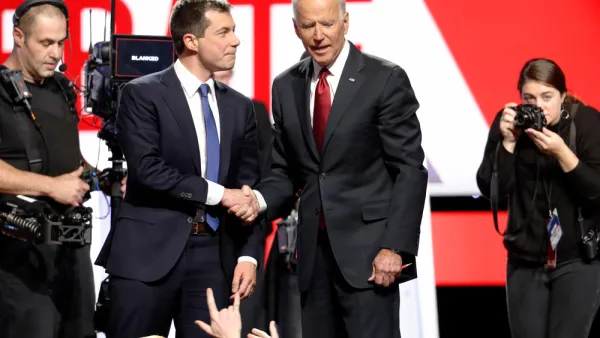
You're in Charge of the U.S. DOT; Where Do You Start?
You just got the top transportation job in the country. What are your priorities? Who are your allies? And one last question: Do you even want the job?
BLOG POST
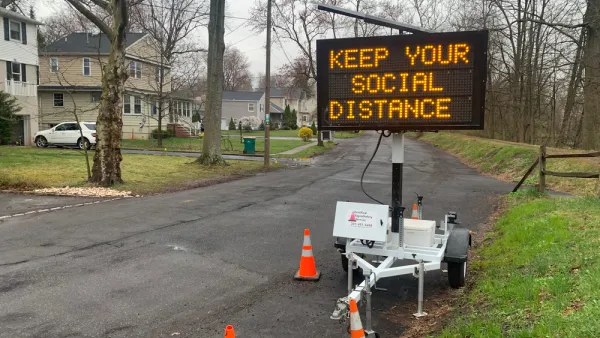
Left-NIMBYism and COVID-19
The events of the past year shows that the law of supply and demand applies to urban housing, and that gentrification can, in fact, be subdued.
BLOG POST
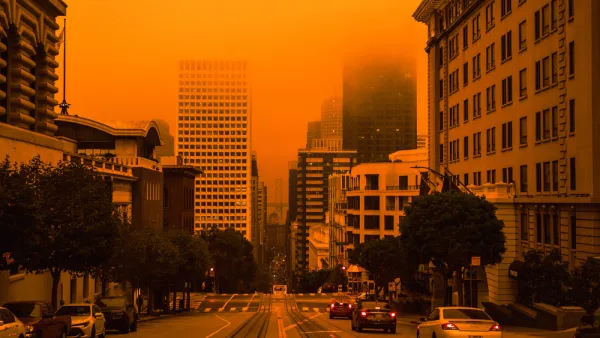
2020 Was a Landmark Year for Climate Change
Many companies set goals to achieve by 2020 and came up short, while the effects of climate change were more obvious than ever in the year that was 2020.

BLOG POST
Singapore Housing Lessons for the Biden Administration
Singapore's carefully designed public housing that supports mixed-incomes, green space, and access to high-quality transportation is a good benchmark for the Biden administration's new push to root out systemic racism in the housing market.

PLANOPEDIA
What Are Parking Requirements?
Parking requirements determine by law the amount of parking developers must include when building new developments. Though a standard of zoning and development codes nationwide, parking requirements are undergoing a process of reform.

PLANOPEDIA
What Is Exclusionary Zoning?
Criticized as a key factor in perpetuating housing inequality in the United States, exclusionary zoning refers to a range of policies that, explicitly or implicitly, seek to prevent people of certain races, ethnicities, or income levels from buying homes in specific neighborhoods.
PLANOPEDIA
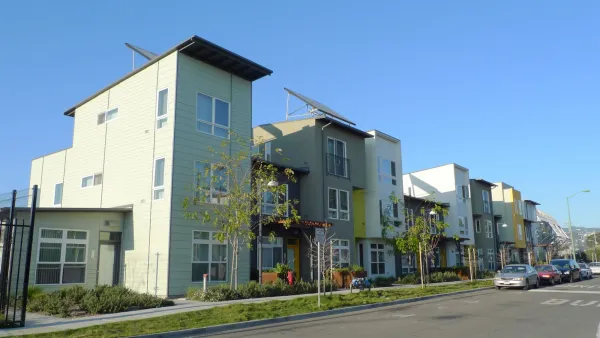
What Is Affordable Housing?
The term affordable housing refers to housing units that cost less than a predetermined percentage of household incomes. Planners use affordable housing as a general term to describe housing that doesn't put an excessive financial burden on occupants.

FEATURE
Planning Trends to Watch in 2021
The nation is now tasked with the challenge of changing course in the middle of multiple, global crises. The necessity of finding a way to overcome the failures of the past and lay the groundwork for a new kind of future has never been more clear.
BLOG POST
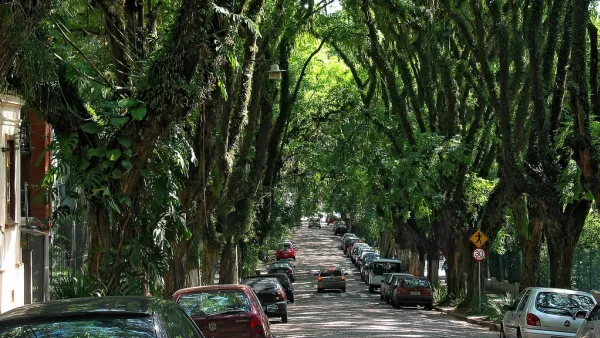
Hug a Tree. Protect a Forest.
Communities have good reasons to protect trees and forests. Planners can help make this happen.

BLOG POST
Cars, Transit, and the Disabled
Contrary to popular myth, the disabled drive less than other Americans.
BLOG POST
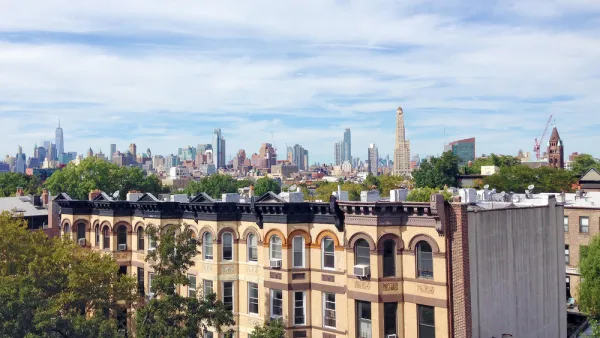
The Pros and Cons of HOAs in Cities
Are HOAs in cities a good thing? Not always. Keep reading to learn more.
BLOG POST
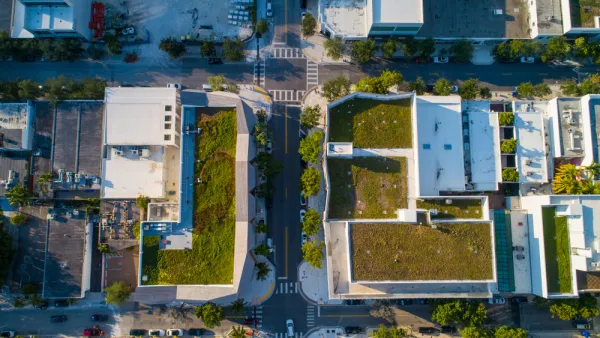
Will Developers Slow the Path to Net Zero?
Cities around the world are demonstrating that net zero carbon buildings—including net zero low-income housing—can be built cost effectively.

BLOG POST
What to Expect When You're Expecting the Biden Administration
Commemorate Inauguration Day by digging deep into the promises and potential of the Biden Administration.
FEATURE
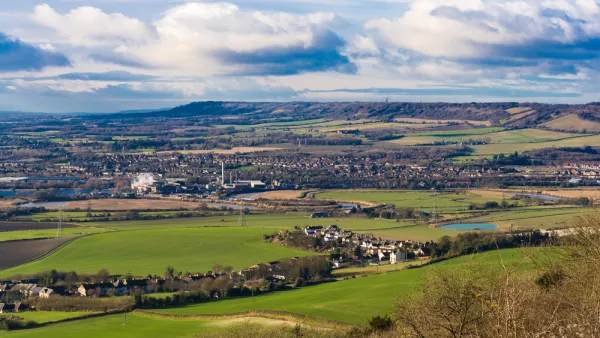
New Book, 'Land,' Searches for Solid Ground
Simon Winchester's new book, Land, brings global scope to the concepts of land use.
PLANOPEDIA
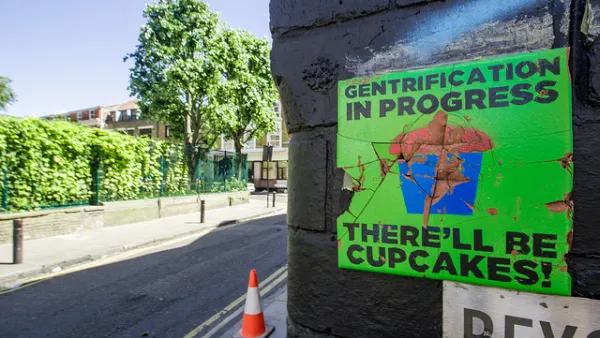
What Is Gentrification?
Gentrification is a process of neighborhood change, usually resulting from an influx of relatively wealthy, white residents to a neighborhood. But that definition, and the controversies that follow, vary greatly by location, and there is no universally accepted definition of the term.
BLOG POST
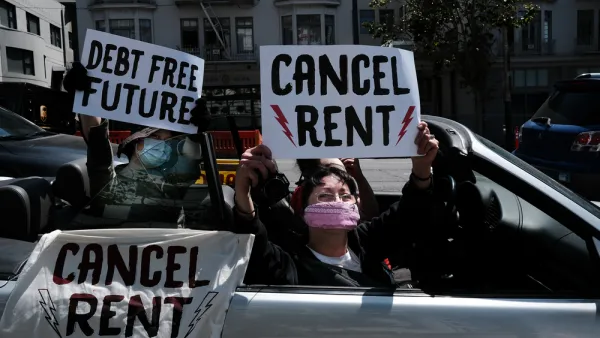
A Housing and Eviction Crisis Still Hangs Over the U.S., Just Like the Pandemic
Checking in with the numerous risks in the housing market as the economic fallout of the pandemic as approaches it approaches its second year.
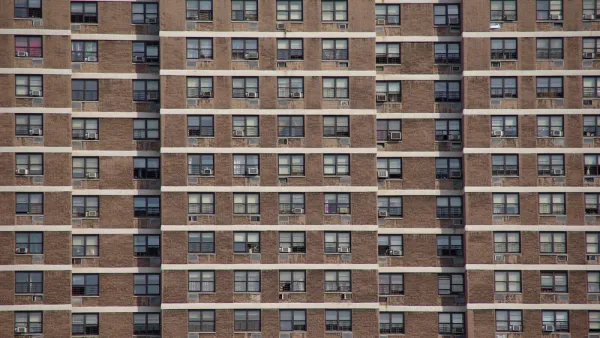
PLANOPEDIA
What is Affordable Housing?
The term affordable housing refers to housing units that cost less than a predetermined percentage of household incomes. Planners use affordable housing as a general term to describe housing that doesn't put an excessive financial burden on its occupants.
City of Rosemead
Rutgers University, Edward J. Bloustein School of Planning and Public Policy
One Hundred Miles
University of Michigan School for Environment and Sustainability (SEAS)
Hunter College, City University of New York (CUNY)
The Architects Foundation
City of Cambridge
Montrose County
The Pocatello Development Authority

FREE Course: Walkable City 1: Why Walkability?
After describing his path towards focusing on walkability as the essence of good planning, Jeff Speck marches through his five principal reasons for making more walkable places.
Reinventing Malls: Planning Alchemy—Turning Gray Fields Into Gold
The course focuses on the opportunities and imperatives that shape reinvention of mall sites.











