Exclusives

PLANOPEDIA
What Are Housing Subsidies?
Housing subsidies can work in numerous ways, all with the common cause of easing the cost burdens of housing.

BLOG POST
The Housing Supply Debate: Evaluating the Evidence
Let's rely on science, not ideology and propaganda, when planning solutions to urban unaffordability. Look for credible evidence in the peer-reviewed publications referenced here.
FEATURE
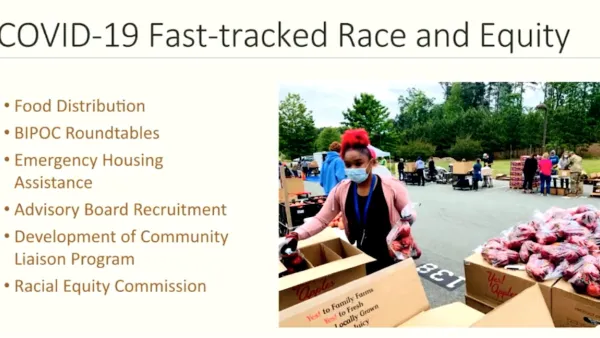
Equity and 'Righting Past Wrongs' to Start the 2021 National Planning Conference
The American Planning Association's 2021 National Planning Conference started streaming this morning, with an obvious focus on equity and the historical role of the planning profession in perpetuating systemic racism.
BLOG POST
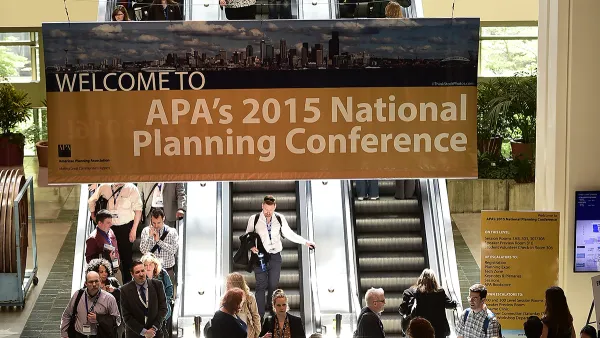
Planning for the 2021 National Planning Conference
After last year's National Planning Conference was canceled in the early days and weeks of the COVID-19 pandemic, the annual event returns online, with tons of planning content and even several avenues for networking and socializing.
PLANOPEDIA
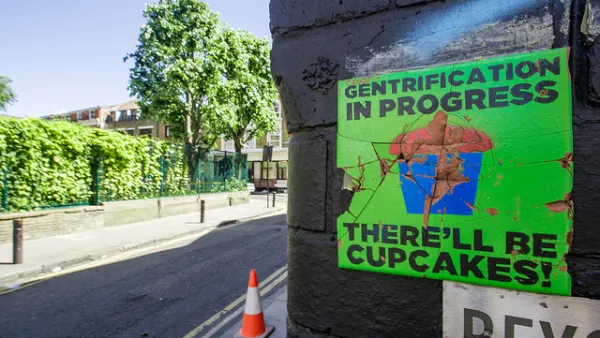
What Is Displacement?
Displacement—the forced relocation of existing residents and businesses was once a desired outcome of the "urban renewal" projects of the 20th century. In the 21st century, displacement is a highly contested, hard to trace, effect commonly linked to gentrification and urban revitalization.
FEATURE
A Comment for the L.A. River Master Plan
Five themes proposed to achieve justice and sustainability for the Los Angeles River and its surrounding communities.
PLANOPEDIA
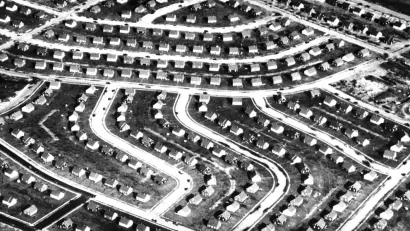
What Is Levittown?
Known as the archetypal post-war American suburb, Levittown was the first mass-produced housing development and set a standard for planned subdivisions for decades to come.
BLOG POST
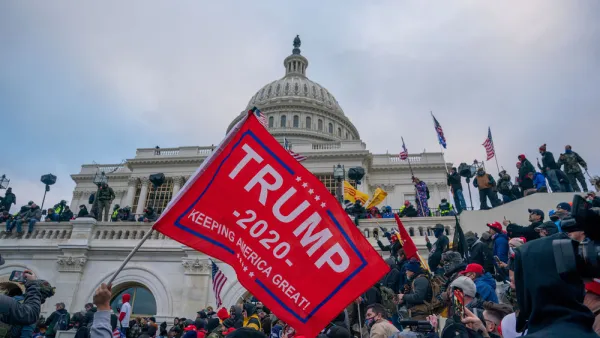
3 Takeaways From 2020 Census Apportionment Data
The U.S. Census Bureau yesterday released its first set of apportionment population and resident population counts for the nation and each state.
BLOG POST
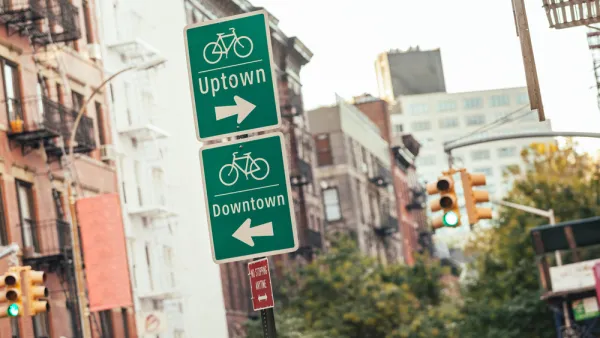
Can I Be a Libertarian for Bike Lanes?
Discussing the trade-offs between making government leaner and making traffic safer.
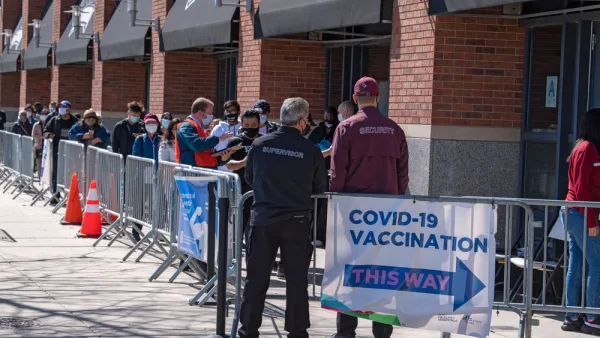
BLOG POST
Light at the End of the Tunnel Reveals the Work to Come
The latest edition of an ongoing compendia of articles trying to make sense of the deep uncertainties of the pandemic—and what it all means for the future of cities.
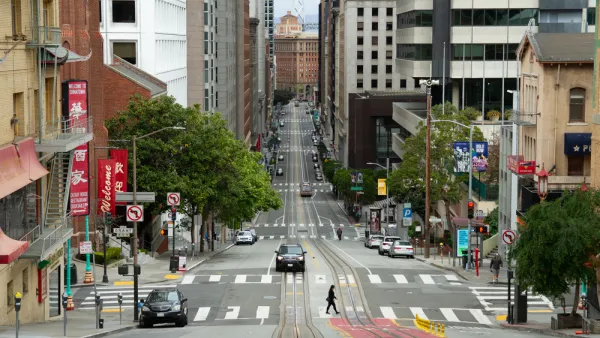
BLOG POST
Retaining Skilled Workers in Urban Areas
Over the past year, there's been a mass exodus out of major urban areas. In states like New York, Illinois, and California, more than 59% of migration was outbound.

FEATURE
Why NFTs Matter to Urban Planning
With non-fungible tokens (NFTs) reshaping the art and collectibles world, city and regional planners can learn valuable lessons about ways to improve the management, organization, and sharing of information about the built environment.
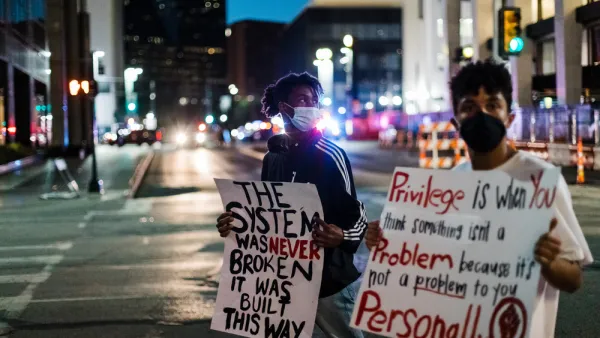
FEATURE
Urban Planning in a Time of COVID
In Dallas, Dr. Eric Anthony Johnson is not letting last year's crises go to waste.

BLOG POST
Market Segmentation in New York
Rents have been declining more slowly in the outer boroughs than in Manhattan. Does this mean that what happens in Manhattan has no effect on the rest of the city?
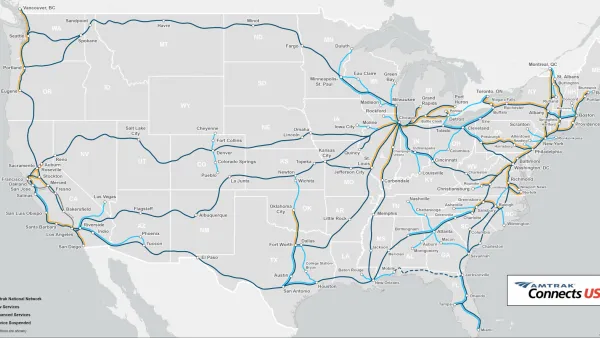
BLOG POST
Infrastructure and its Discontents
The significance of the Biden administration's expansive view of infrastructure is reflected in the flood of commentary published in the week since the public's first look at the American Jobs Plan.
BLOG POST
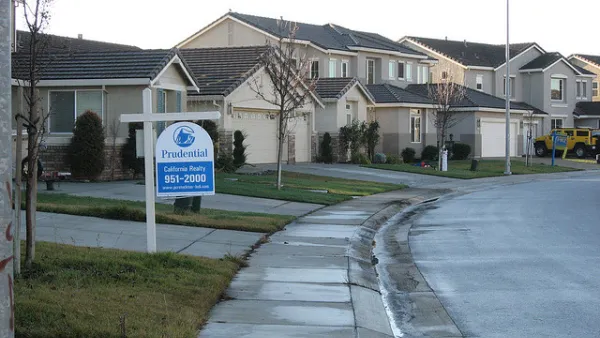
When Wall Street Controls the Housing Market
A debate about the effect of the increasing footprint of large, institutional investors in the housing market is further fragmenting the politics of development in the United States.
FEATURE
Tech and the Post-Pandemic City
To steer American cities into the future, public and private sectors—and citizens—must work together to build broad, lasting support around complicated issues such as transparency and data privacy.
FEATURE
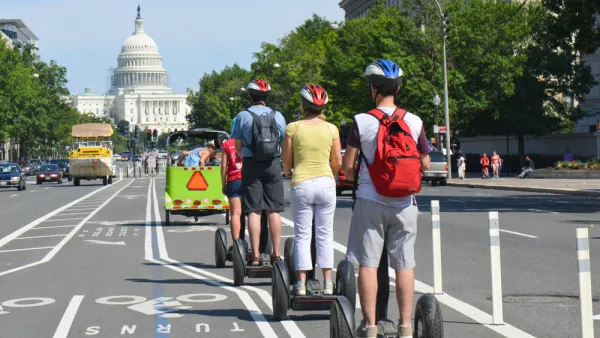
Infrastructure Bill an Opportunity to Redesign Transportation to Move People, not Cars
By focusing on traffic safety, the Biden administration's proposed $2 trillion infrastructure has a chance to make good on its potential to shift the nation's infrastructure planning for the benefit of the people and the planet.
BLOG POST
Does Zoning Create a Vicious Circle—Or Can It Fix Itself?
Ideally, planners could balance homeowners' interests in zoning against the public good, liberalizing zoning when prices got too high. But this may be politically impossible.
Harvard University Graduate School of Design
KFH Group Inc.
Greater Baltimore Committee
The Architects Foundation
University of Cincinnati Online
The Pocatello Development Authority
The Urban Renewal Agency of the City of Pocatello

FREE Course: Walkable City 1: Why Walkability?
After describing his path towards focusing on walkability as the essence of good planning, Jeff Speck marches through his five principal reasons for making more walkable places.
Reinventing Malls: Planning Alchemy—Turning Gray Fields Into Gold
The course focuses on the opportunities and imperatives that shape reinvention of mall sites.