Exclusives
PLANOPEDIA
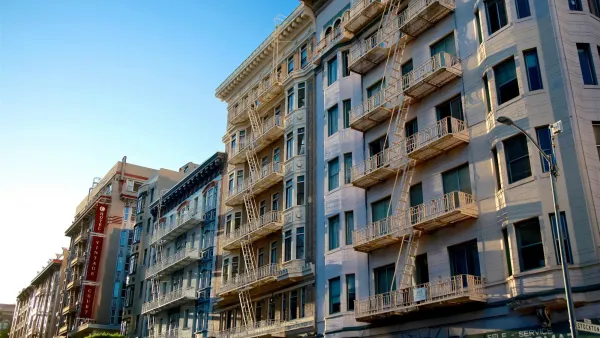
What Is Inclusionary Zoning?
Inclusionary zoning refers to a range of policies and practices that mandate or provide incentives for the inclusion of affordable housing units in new developments to encourage mixed-income neighborhoods and increase the supply of affordable housing.
BLOG POST
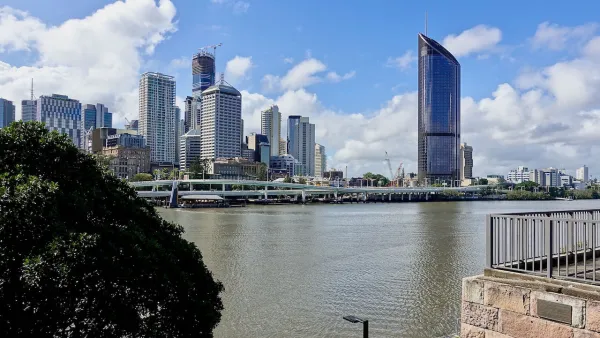
Unlocking the City with Context Keys
The human memory is so powerful that a place on pavement suddenly can trigger a stream of imagery from the distant past, or a meaningful story of something that once happened there. We should champion such keys to the context of a place.

BLOG POST
Electric Cars Won't Solve Climate Change
Electric cars might look great in your driveway, but they're a symbol of a systemic problem: an ineffective, car-based approach to addressing transportation's climate impacts.

BLOG POST
Against Victim Blaming
One common scapegoat for rising pedestrian death rates is "distracted walking." But there is little reason to believe that smartphone-wielding pedestrians are a major cause of roadway carnage.
FEATURE
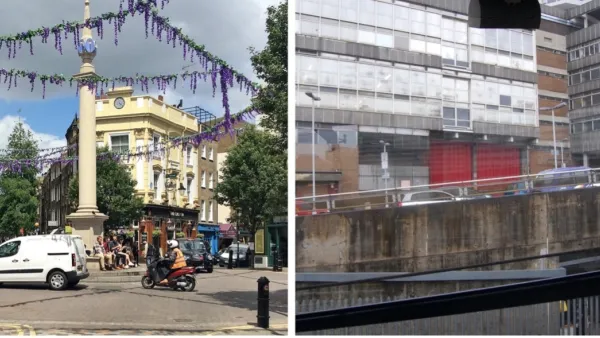
The Surprisingly Important Role of Symmetry in Healthy Places
New research suggests there might be a "symmetry deficit disorder" in today's built environments, with significant impacts on health, well-being, and even sustainability.
BLOG POST
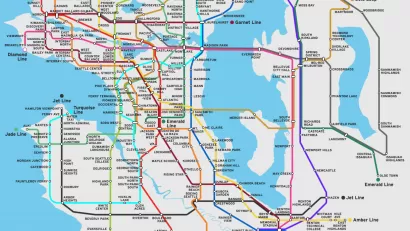
ST 2040: Envisioning a World-Class Transit System in Washington State
In February, climate candidate for Seattle Mayor Andrew Grant Houston and I laid out a vision for the Puget Sound region's transportation future in The Urbanist.

BLOG POST
Mars Perseverance Rover and the Future Colonization of Mars
The 2020s is the decade of Mars. Last week NASA's Perseverance rover became the sixth American robot to land on the red planet, and the third visitor this month. Where are we going with Mars, who will get us there, and what is the ultimate goal?
PLANOPEDIA
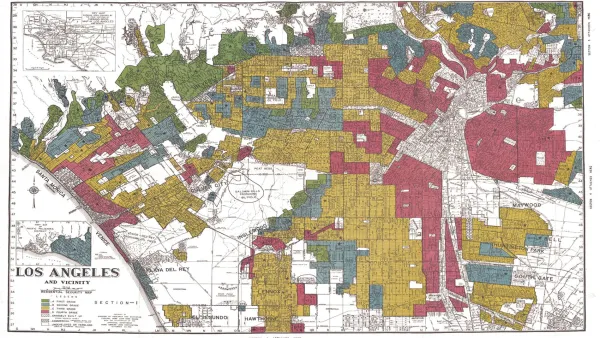
What Is Redlining?
Redlining is the practice of restricting investment in areas deemed high-risk by banks. The term refers to the red color used to denote undesirable areas on maps used by lending institutions to determine loan eligibility.
FEATURE
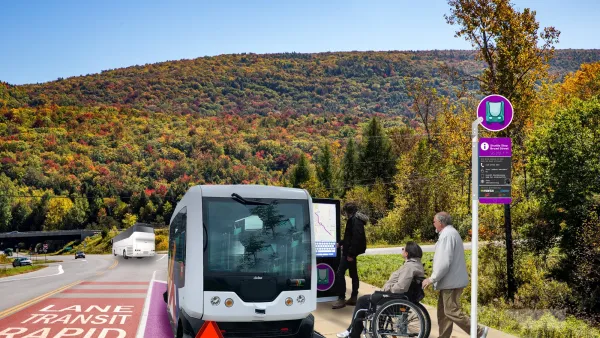
Adapting Policy to Advancements in Autonomous Vehicle Technology
The public and private sector need to partner to facilitate adoption of policy frameworks to realize the AV promise nationally.
BLOG POST
Two Stories From 2020: Which Is True?
Have all cities lost people due to COVID-19, or just a few high-cost ones?
PLANOPEDIA
What Is Market Rate Housing?
Market-rate housing is a term used to define housing generated by the real estate market without direct subsidy. The price the market sets for housing, even without subsidies, is a direct outcome of policies and practices of planning.
PLANOPEDIA
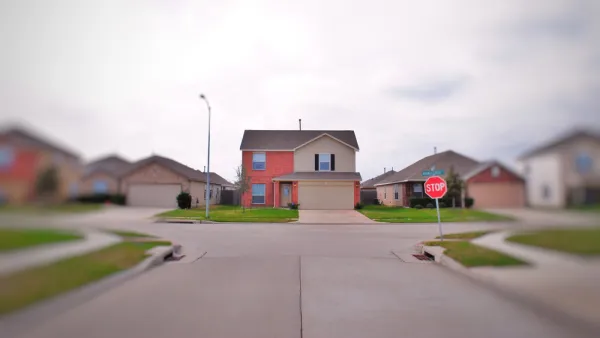
What is Single-Family Zoning?
Single-family zoning is by far the most common form of zoning in the United States, but it's facing increasing criticisms both for its discriminatory origins and its sprawling effects.

PLANOPEDIA
What Is Density?
Density is a controversial topic, but public opinion on the opportunities and risks of density have shifted in recent decades. To many, density now has a positive connotation.
FEATURE
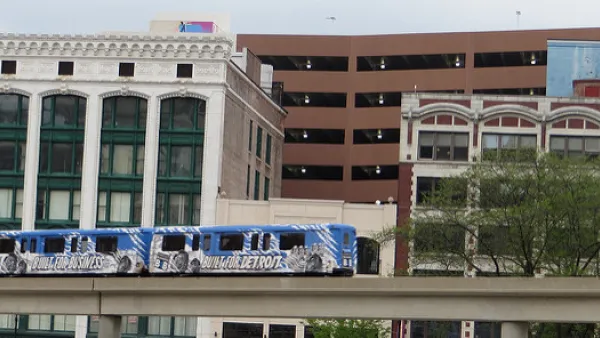
Cultivating a Culture of Transit
How Detroit, historical home of the U.S. automotive industry, can create a culture of transit and the equitable transportation system its residents need.
BLOG POST
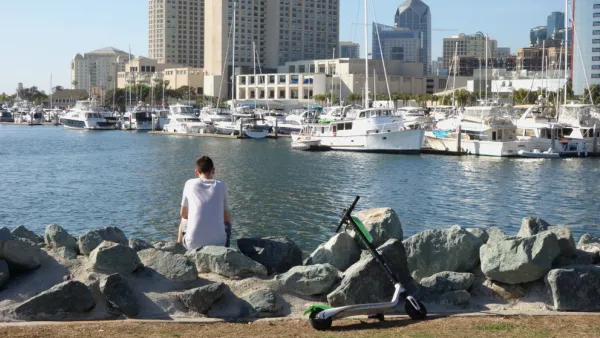
Big Benefits from Small Modes
With a little help and encouragement, active and micro modes, including walking, bicycling, scooters, e-bikes, and their variants, can provide huge benefits.


BLOG POST
Latkes, Hamantashen, and Urbanism
A little pre-Purim humor (well, attempted humor anyway).
FEATURE
A Strategic Approach to Economic Recovery Planning
Six components of a strategic plan for city and regions to guide their short-term actions for equitable economic recovery from the pandemic.

PLANOPEDIA
What Is the Americans With Disabilities Act?
The effects of the landmark Americans With Disabilities Act are visible throughout the built environment—on sidewalks, on buses, and in almost every building and public facility in the country.
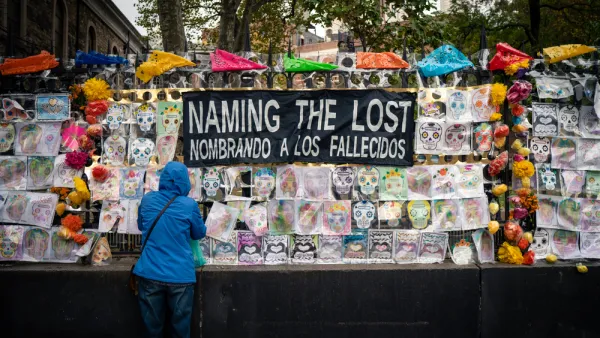
BLOG POST
Haves and Have Nots: Planning and the Deep Divides of the Pandemic
The latest in a series of compendia gathering news and analysis about the effects of the COVID-19 on the built and natural environments—now and long into the future.
City of Rosemead
Rutgers University, Edward J. Bloustein School of Planning and Public Policy
One Hundred Miles
University of Michigan School for Environment and Sustainability (SEAS)
Hunter College, City University of New York (CUNY)
The Architects Foundation
City of Cambridge
Montrose County
The Pocatello Development Authority

FREE Course: Walkable City 1: Why Walkability?
After describing his path towards focusing on walkability as the essence of good planning, Jeff Speck marches through his five principal reasons for making more walkable places.
Reinventing Malls: Planning Alchemy—Turning Gray Fields Into Gold
The course focuses on the opportunities and imperatives that shape reinvention of mall sites.











