Exclusives
FEATURE
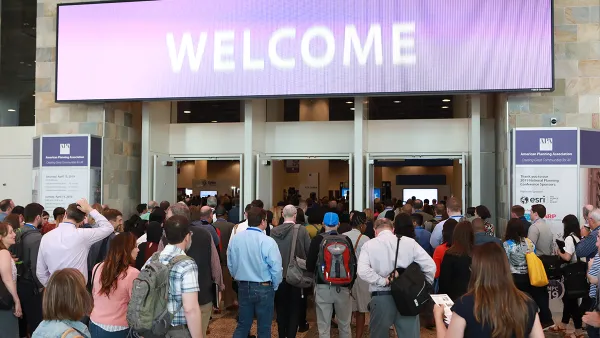
There's More Than One Path to AICP Certification
The AICP Candidate Pilot Program launched in 2017 allows for planners to begin the journey to AICP certification earlier in their careers—even while they are still in school.
PLANOPEDIA
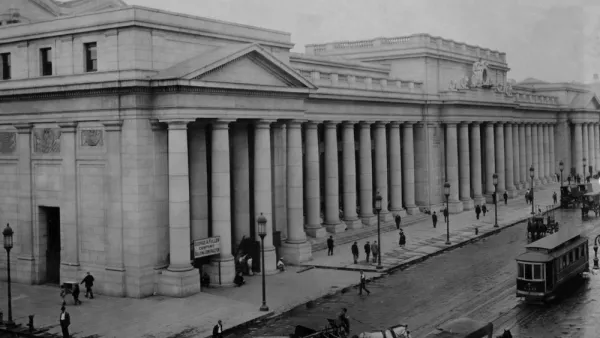
What Is Historic Preservation?
Historic preservation is a controversial, highly contested cause, with a long history of failures and successes in the United States.
BLOG POST
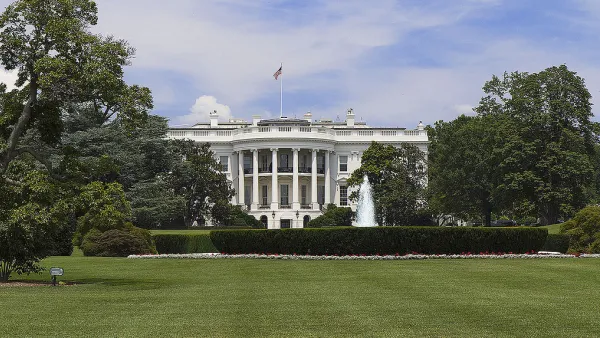
White House Announces Plans for 100,000 Affordable Homes
The Biden administration has proposed a suite of policy and funding programs designed to create and protect 100,000 affordable housing units. If successful, the program will still fall well short of the need.
PLANOPEDIA
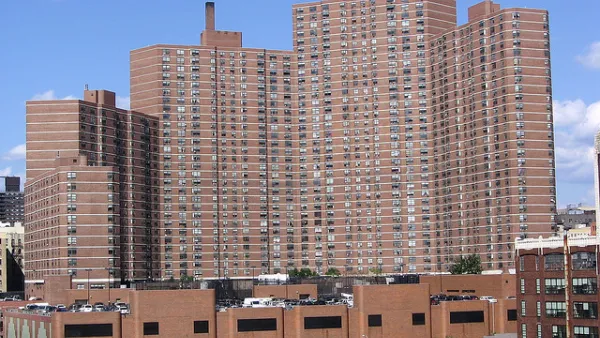
What is Public Housing?
Born out of the progressive ideals of the New Deal and a desire to improve the standard of living in poor urban neighborhoods, American public housing has taken several forms as political opinion about subsidized housing shifts.

BLOG POST
Clean Vehicles Versus Vehicle Travel Reductions: Better Transportation Emission Reduction Planning
There are many possible ways to reduce transportation emissions, some of which provide large co-benefits. Unfortunately, current evaluation practices tend to overlook some of the best. Lets examine why.
BLOG POST
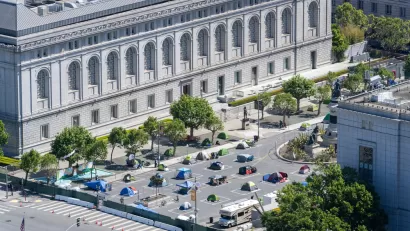
Cities Need More Public Bathrooms–Well Beyond the Pandemic
COVID-19 laid bare the dismal state of public bathrooms in America, and some cities stepped up to add more facilities. But why remove them while the need remains?
FEATURE
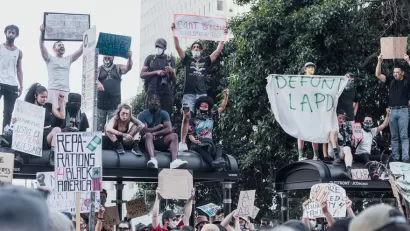
Reparative Planning as Movement Building
The "Metro as Sanctuary" campaign provides an example of movement-based planning. This kind of planning is relational and solidaristic, with an emphasis on collective decision-making, complementary divisions of labor, and mutual learning.
PLANOPEDIA
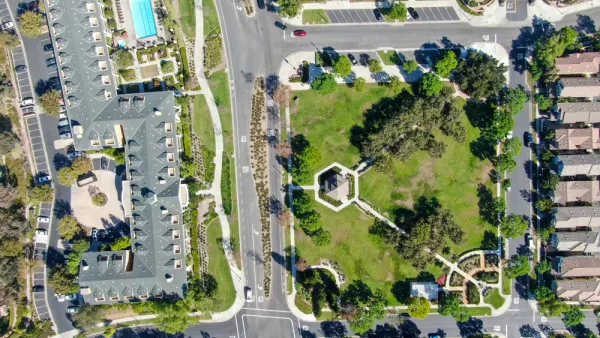
What Are Master Planned Communities?
Now frequently associated with retirees and sprawling developments in the U.S. Sun Belt, master planned communities, also known as new towns or planned communities, were invented as an escape from the haphazard growth of urban areas in the mid-20th century.
BLOG POST
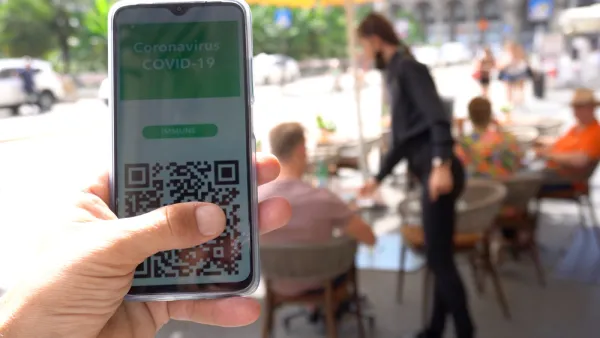
5 Cities Leading the Way in COVID-19 Management Tech
Advanced new contact tracing measures, citizen outreach technology, and other innovations are helping these cities fight the spread of COVID-19.
FEATURE
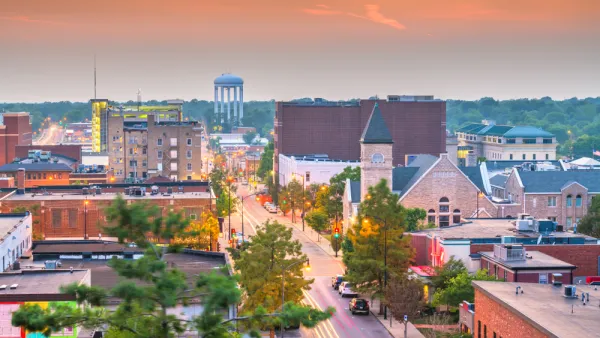
Small-Scale Manufacturing Can Maximize the Potential of America's Small Cities
Artisans and small-scale manufacturers offer tremendous economic opportunities for cities prepared to harness that creative and entrepreneurial energy.
BLOG POST
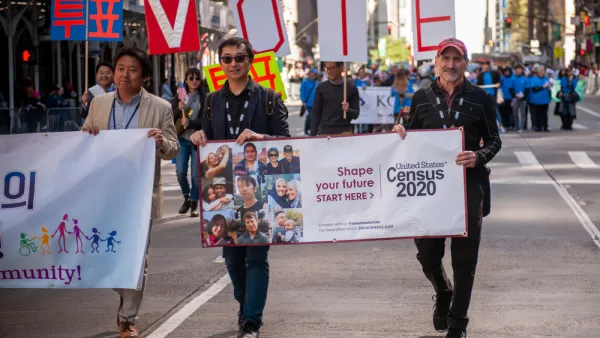
News Brief: Census 2020 Population Data
Most of the media commentary that followed last week's release of Census 2020 data focused on trends in the racial demographics of the country and the country's growing rural-urban divide.
FEATURE
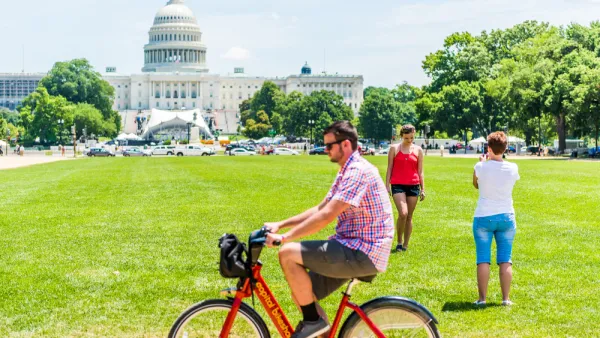
Bipartisan Infrastructure Bill Heads to the House: Details and Reactions From the Planning World
Planetizen gathered explainer posts and advocacy responses that continue to shine a light on the Infrastructure Investment and Jobs Act, approved by the U.S. Senate earlier this month.
BLOG POST
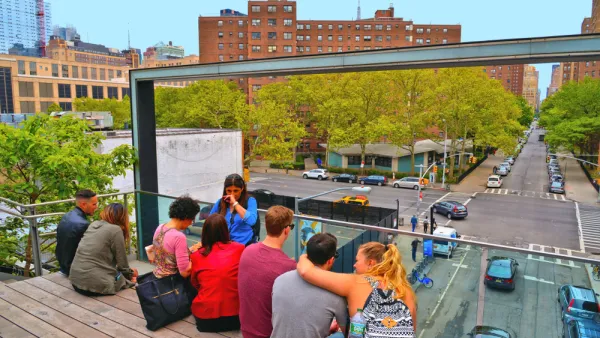
Cities Are Back (At Least They Were Before COVID)
The 2020 Census results show that central cities were gaining population to a much greater extent than earlier Census estimates had suggested.
BLOG POST
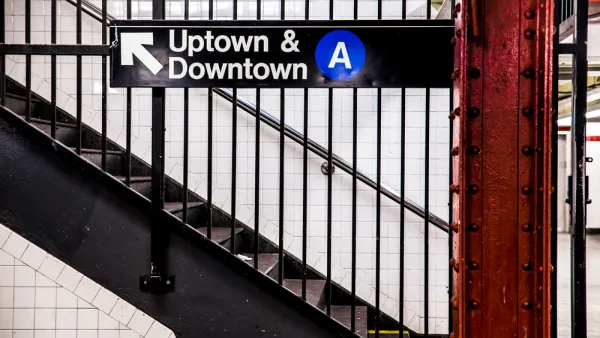
Take the A Train: A Musical Inspiration for Planners
"Take the A Train" is a beautiful celebration of rail transit, urban sophistication, and the Harlem Renaissance all packed into the most danceable 2:54 minutes of musical teamwork ever recorded on a 78 disk. It's my inspiration for great planning!
BLOG POST
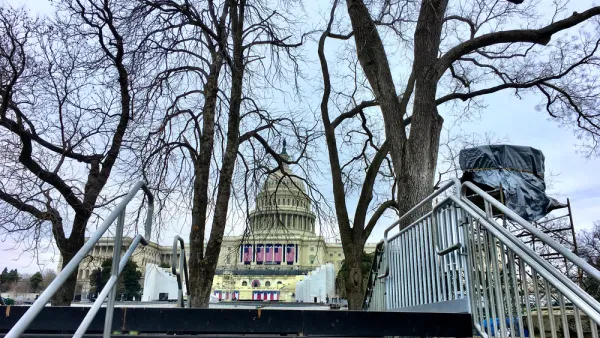
Bipartisan 'Infrastructure Investment and Jobs Act' Passes the Senate
A final vote of 69-30, with 19 Republicans joining their Democratic colleagues in the Senate, will send the Infrastructure Investment and Jobs Act to the House.

BLOG POST
Time Is Running Out to Limit the Damage of Climate Change, According to Historic UN Report
The role of humans in creating immense risks from extreme weather, drought, sea-level rise, and bio-diversity loss is "unequivocal," according to a landmark study by the International Panel on Climate Change (IPCC).
BLOG POST
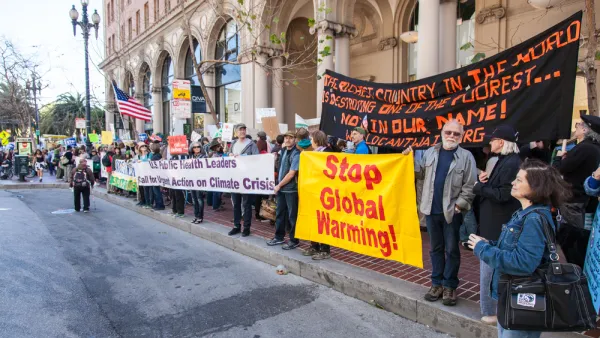
The Climate One-Two Punch
Like a boxer, cities are wielding their one-two punch in the fight against climate change. One punch aims to protect people from the oppressive heat, while the second punch strikes at the source of global warming by reducing overall GHG emissions.
BLOG POST
It's Good to Be a Small Business in These 6 U.S. Cities
Here are six U.S. cities where small companies are thriving.
PLANOPEDIA
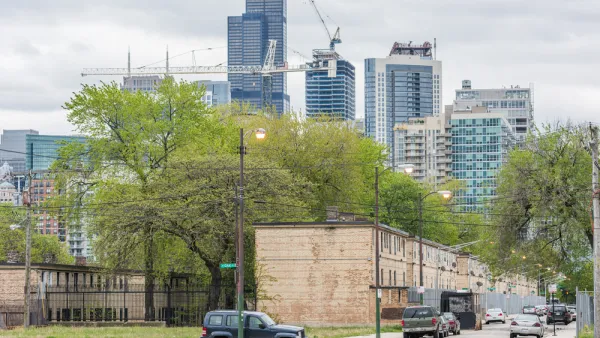
What Is Urban Renewal?
Ostensibly intended to improve "blighted" neighborhoods and provide better housing conditions, urban renewal often involved displacement and the wholesale destruction of urban communities.
BLOG POST
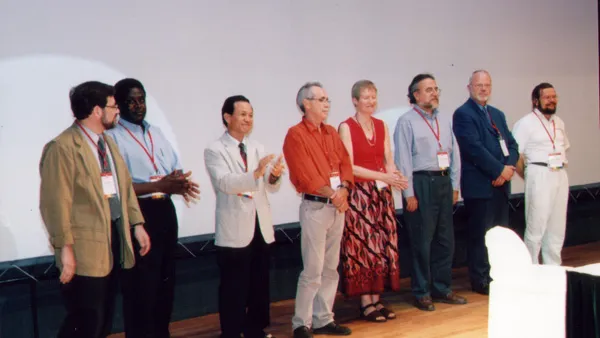
The World's Planning Schools Joined Hands in Shanghai in 2001
The Shanghai Statement creating the Global Planning Education Association Network (GPEAN) was signed by ten planning school associations at the closing ceremony of the 1st World Planning Schools Congress at Tongji University, 20 years ago this week.
City of Rosemead
Rutgers University, Edward J. Bloustein School of Planning and Public Policy
One Hundred Miles
University of Michigan School for Environment and Sustainability (SEAS)
Hunter College, City University of New York (CUNY)
The Architects Foundation
City of Cambridge
Montrose County
The Pocatello Development Authority

FREE Course: Walkable City 1: Why Walkability?
After describing his path towards focusing on walkability as the essence of good planning, Jeff Speck marches through his five principal reasons for making more walkable places.
Reinventing Malls: Planning Alchemy—Turning Gray Fields Into Gold
The course focuses on the opportunities and imperatives that shape reinvention of mall sites.











