Exclusives
BLOG POST
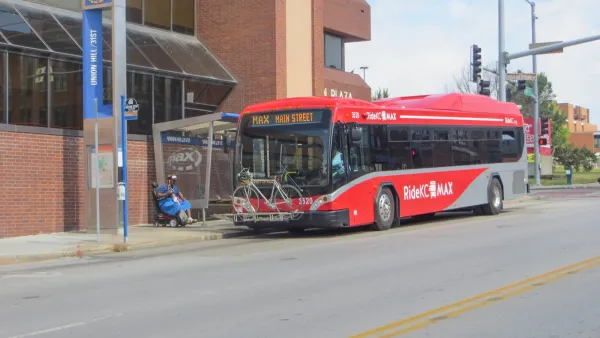
Free Transit, But at What Cost?
Opinion: The movement toward fare-free transit might have more to do with optics and politics than planning.
BLOG POST
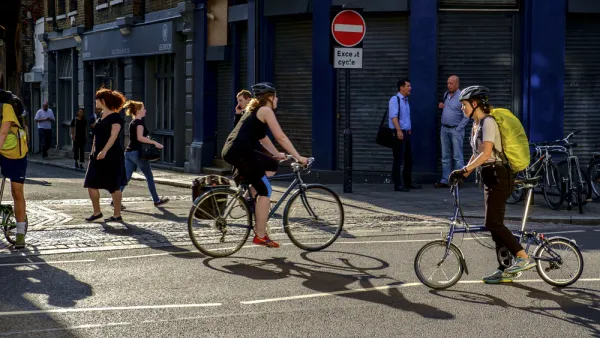
Active and Micro Mobility Modes Can Provide Cost-Effective Emission Reductions–If We Let Them
What role can active and micro modes (walking, bicycling, e-bikes and their variants) play in reducing emissions? Far more than most current emission reduction plans will achieve. We can do better!

PLANOPEDIA
What Is Defensive Urbanism?
If you’ve ever noticed a public bench split in half by a metal bar, or a series of seemingly ornamental boulders blocking the sidewalk under a high-rise overhang, you’ve seen what is often described as defensive urbanism or ‘hostile architecture.’
FEATURE
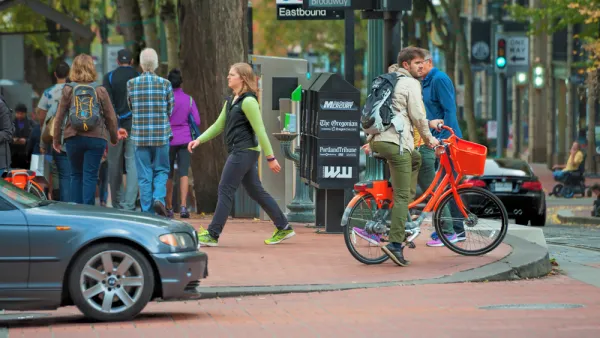
Roadways for People: The Necessity of Collaboration
Breaking down planning silos to ensure transportation options in a car-oriented world.

FEATURE
Top Websites for Urban Planning - 2022
Every year, Planetizen collects the websites breaking new digital ground in the world of planning and related fields.

BLOG POST
How Short-Term Rental Restrictions Impact Urban Planning
Short-term rental regulations are a hot topic in the urban planning world. As more cities consider—or are already implementing—these regulations, they need to understand how they impact various urban landscape areas.

FEATURE
The Top Urban Planning Books of 2022
An annual list of the must-read books related to urban planning and its intersecting fields.

FEATURE
Electric Vehicles Require Real Progress—Not Lip Service—on Equity
Communities of color are already being left behind as the nation prepares the infrastructure for an electric future.
BLOG POST
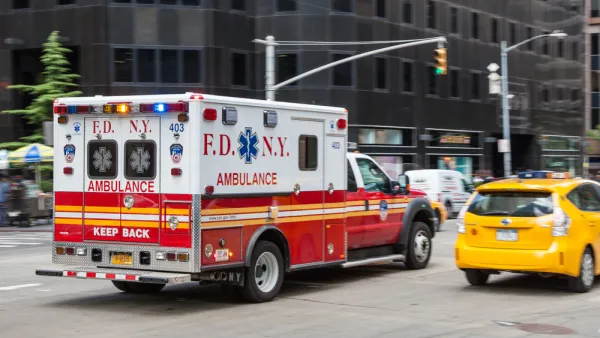
Ambulances vs. Pedestrians
Are the needs of emergency response vehicles inconsistent with nondrivers’ needs for slower, safer streets? Maybe not.
BLOG POST
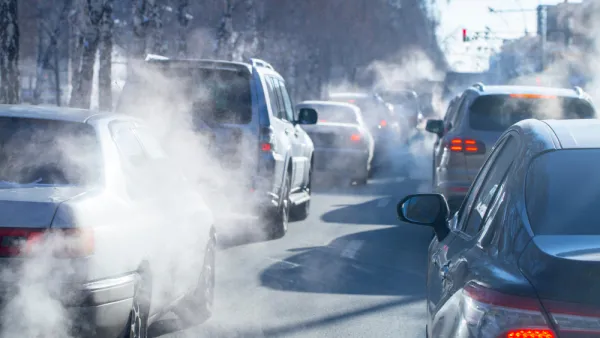
Comprehensive Transportation Emission Reduction Planning
Many jurisdictions have ambitious greenhouse gas emission reduction targets and are developing plans to achieve them. This column discusses the factors that should be considered in this planning process.
FEATURE
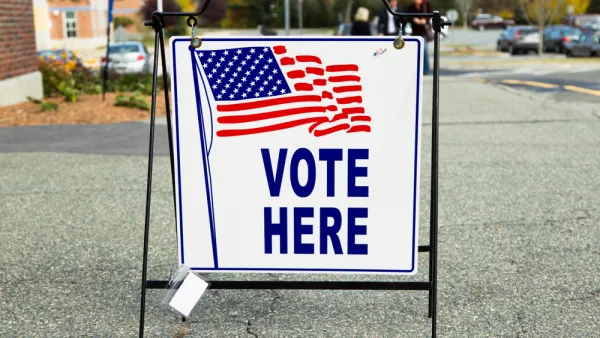
2022 Midterm Election Results for Land Use, Transportation, and the Climate
The most closely watched midterm election since the last midterm election offered voters an opportunity to decide on matters of consequence related to land use, housing, transportation, and the environment.

BLOG POST
How to Include Community Ideas in Urban Development
Urban planners are obligated to sensible and efficient development, but can also take community ideas into account. By prioritizing concerns and thoughts and keeping the future in mind, planners can develop optimal urban communities.
PLANOPEDIA
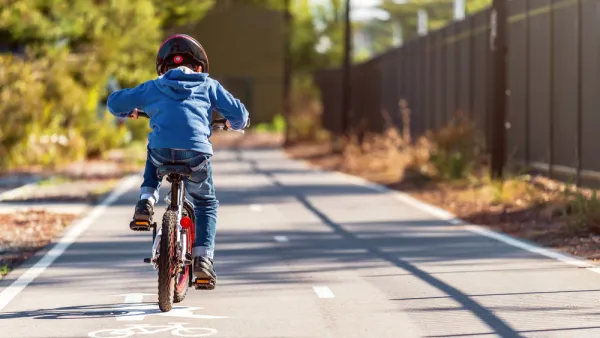
What Is Bike Infrastructure?
Safe and comprehensive bike facilities play a crucial role in keeping vulnerable road users safe, promoting biking as an everyday transit mode, and reducing carbon emissions and traffic congestion by encouraging a shift to more multimodal transportation.

PLANOPEDIA
What Is the Clean Water Act?
The primary environmental law to regulate water pollution in the United States, the Clean Water Act, went into effect 50 years ago, on October 18, 1972.
FEATURE
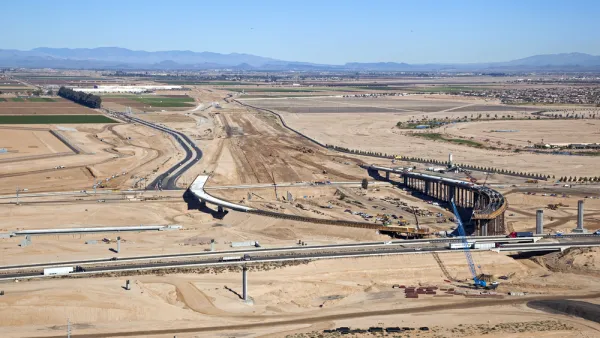
The Culture Clash at State DOTs Over Greenhouse Gas Emissions
Whether state departments of transportation support or oppose a new rule aimed at reining in carbon emissions in transportation reflects an urban-rural, red-blue divide.
BLOG POST
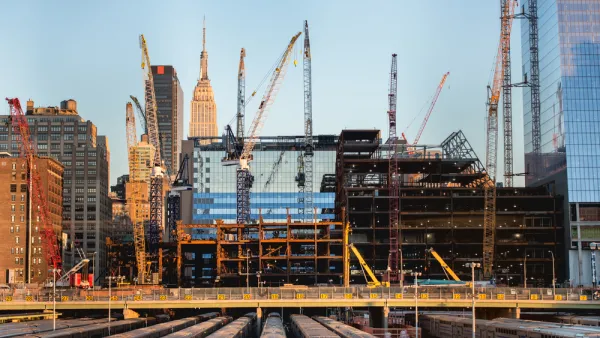
The Right to a Healthy Environment: Not as Healthy as One Might Think
Some state constitutions provide that citizens have the right to a healthy environment. But these seemingly innocuous provisions may lead to counterproductive results.

BLOG POST
Driving as a Risk Factor: A New Paradigm
New strategies are needed to achieve ambitious safety goals such as Vision Zero. This requires a paradigm shift, a change in the ways risks are measured and potential safety strategies evaluated.
FEATURE
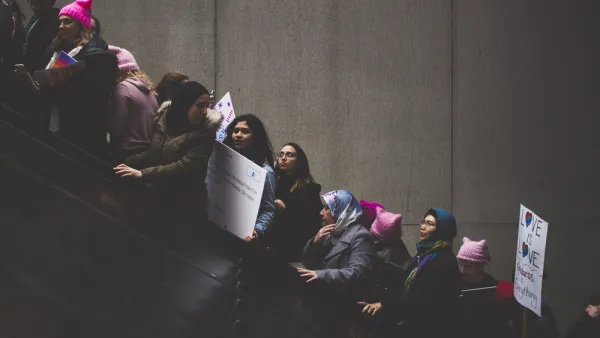
Breaking the Bias on Public Transport
How gender-sensitive data collection can make public transit safer for women.
BLOG POST
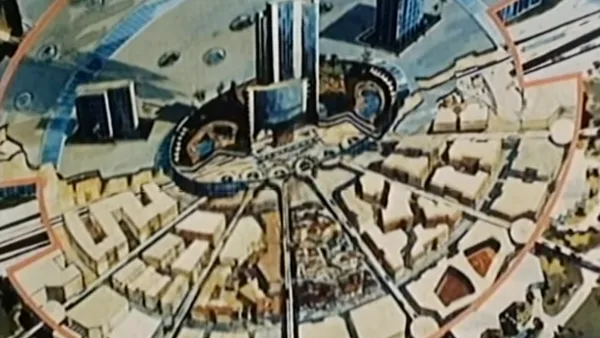
EPCOT: The Original 'Smart City'
What can today’s futurists learn from Disney’s unrealized utopia?
Harvard University Graduate School of Design
KFH Group Inc.
Greater Baltimore Committee
The Architects Foundation
University of Cincinnati Online
The Pocatello Development Authority
The Urban Renewal Agency of the City of Pocatello

FREE Course: Walkable City 1: Why Walkability?
After describing his path towards focusing on walkability as the essence of good planning, Jeff Speck marches through his five principal reasons for making more walkable places.
Reinventing Malls: Planning Alchemy—Turning Gray Fields Into Gold
The course focuses on the opportunities and imperatives that shape reinvention of mall sites.