Environment
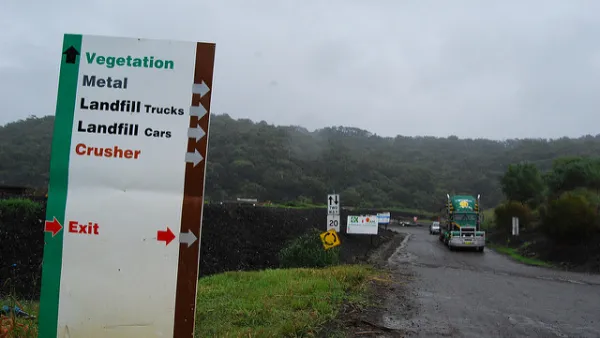
The Value of Garbage Has Changed Dramatically
Recycled metals, plastics, glass, and other materials are more economical than ever. Welcome to a new era of waste management.
Washington Adopts 'First-of-its-Kind' Carbon Reduction Rule
The state's unique Clean Air Rule is called 'cap-and-reduce.' Businesses that fall under the cap are required to reduce emissions, just like California's cap-and-trade program. However, they can not be forced to purchase carbon credits.
Southern California Power Grid Will Soon Back Up on a Tesla Battery
Tesla just won a competitive bid to supply utility-scale power in Southern California—providing security in the event of a catastrophe like the Porter Ranch methane leak.
The Atlantic Ocean Has Its First National Marine Monument
President Obama has acted to protect a 4,913-square-mile area off the Massachusetts coast. President Obama has protected more land and water than any other American president.
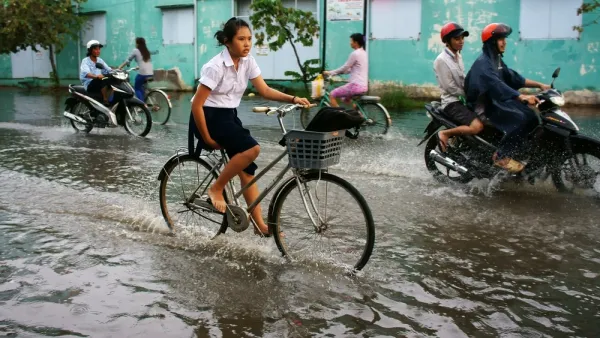
Friday Funny: Fact Checking 22,000 Years of Climate Change
Every now and then, it's good to laugh at the absurdity of climate change denial.
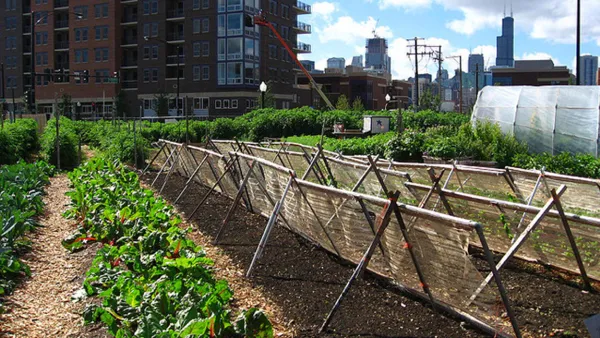
'Growing for Chicago' Wins Federal Grant to Explore Urban Agriculture Innovations
Growing for Chicago will use the $1 million Conservation Innovation Grant from the U.S. Department of Agriculture to examine a "cohort-based" model for urban agriculture.
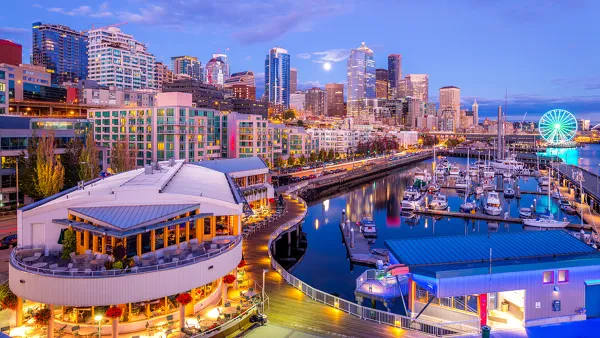
Roads Not Taken: Reimagining a Different Seattle
In 1851 the City of Seattle could have been a vastly different place if alternative development decisions had been made that took the original inhabitants, nature, and topography into consideration.

Mexico to Pilot Carbon Pricing
The year-long program will begin in November, laying a foundation for a national carbon market.
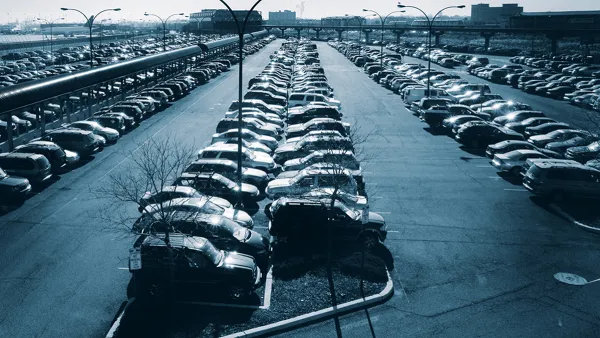
Editorial: A Compelling Case for a Carbon Tax
With record amounts of gasoline burned by America's passenger vehicle fleet which is increasing composed of light trucks rather than cars, and with Americans driving record distances, The Washington Post argues it's time for a carbon tax.
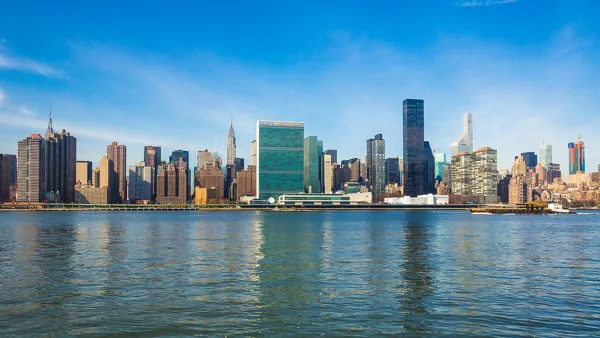
Finally, a Breakthrough for the New Urban Agenda
A marathon negotiation forged the compromises necessary for the New Urban Agenda to be adopted next month at the Habitat III summit in Quito, Ecuador.
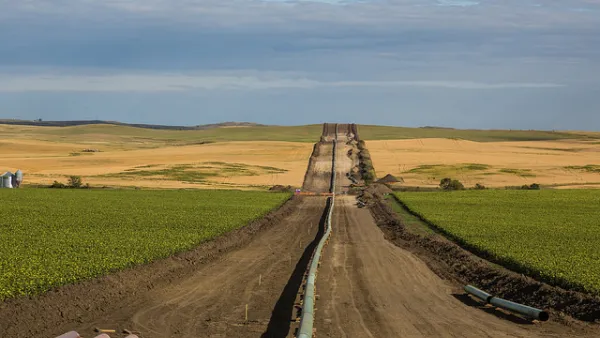
Dakota Access Protest Dealt Legal Setback
The federal judge ruled against a challenge that would have halted construction on the $3.8 billion pipeline project connecting North Dakota to Illinois.
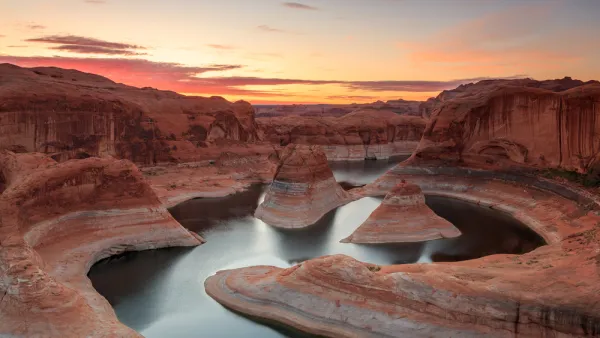
Study: Time to Prepare for the Worst for Lake Powell's Water
The reservoir on the Colorado located above the Grand Canyon is dropping fast. A new study proposes a contingency plan to reduce the risk of catastrophe.
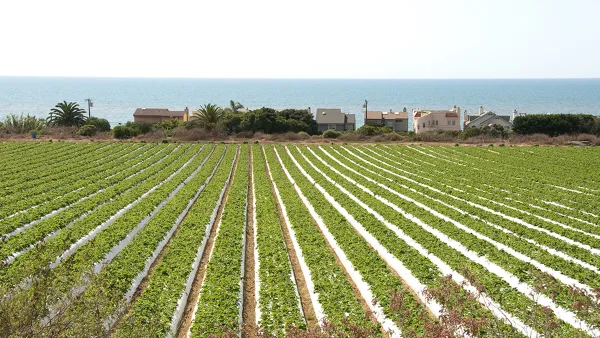
Urban Growth Boundaries Gone Awry: Protection Without Infill
Joe Mathews of Zócalo Public Square views with a great deal of skepticism the urban growth boundaries the voters of Ventura County adjacent to Los Angeles County have enacted since 1995 due to the lack of infill. Another measure is on the ballot.
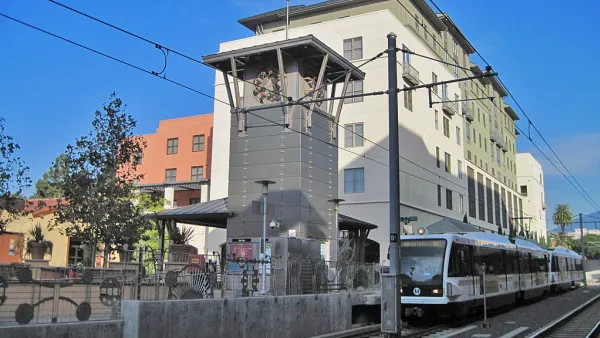
Four Ways L.A. Metro Is Increasing Affordable Housing
A median-income family in the L.A. metro area spends 73 percent of their income on housing and transportation alone. L.A. Metro explains why and how they're taking huge steps to get affordable housing on land they own—where it will do the most good.
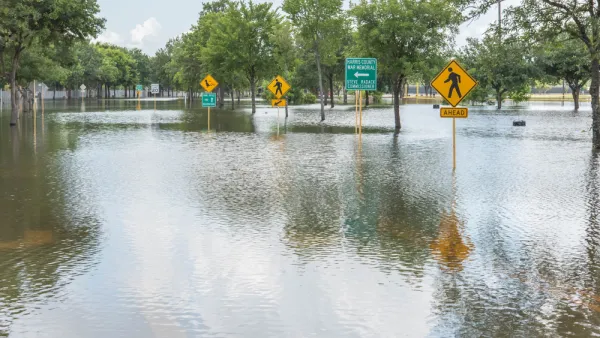
Developments Surrounding Houston's Distressed Dams
The Houston Chronicle continues a series of feature articles about the persistent flooding of the region. The latest installment examines the tenuous position of the Addicks and Barker dams.

Anti-Fracking Initiatives Fail Before Getting to the Ballot in Colorado
An initiative to prohibit fracking within 2,500 feet of an occupied building and another that would have allowed local governments to ban fracking will no longer be on the ballot in Colorado.
Cap-and-Trade Bill Boosts California's Struggling Biomass Facilities
California's new rigorous renewable portfolio standard of 50 percent by 2030 will support a renewable energy source that serves the dual purpose of reducing forest fire hazards.
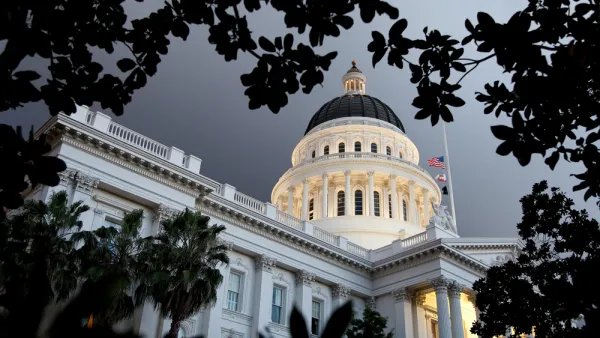
Demographic Changes and Environmental Leadership in Sacramento
It has been a good year for environmentalists, but it hasn't come easily, as seen in the much-celebrated but delayed passage of SB 32 that continues the landmark emissions reductions first set in 2006. Joe Mathews explains the transitions underway.

More Study Needed: How to Make Green Streets Work
A review of the current research into the effectiveness of green streets and green infrastructure finds gaps in our understanding of what works, and where.
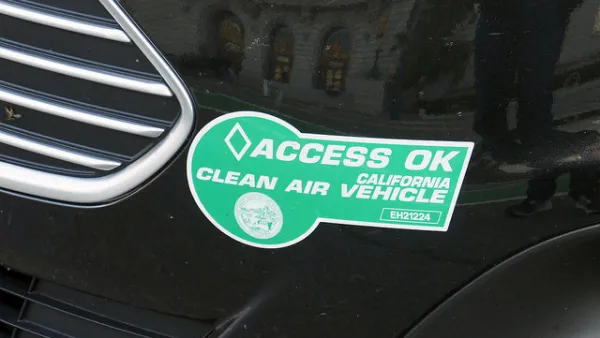
Compromise Reached on $1.4 Billion in California Cap-and-Trade Proceeds
An earlier announcement awarded almost $400 million to transit agencies, but left a larger chunk of these funds still unsettled. On Wednesday, leaders agreed on a $900 million expenditure plan to cut emissions and address social concerns.

FREE Course: Walkable City 1: Why Walkability?
After describing his path towards focusing on walkability as the essence of good planning, Jeff Speck marches through his five principal reasons for making more walkable places.
Reinventing Malls: Planning Alchemy—Turning Gray Fields Into Gold
The course focuses on the opportunities and imperatives that shape reinvention of mall sites.

City of Rosemead
Rutgers University, Edward J. Bloustein School of Planning and Public Policy
One Hundred Miles
University of Michigan School for Environment and Sustainability (SEAS)
Hunter College, City University of New York (CUNY)
The Architects Foundation
City of Cambridge
The Pocatello Development Authority
The Urban Renewal Agency of the City of Pocatello









