Community / Economic Development
Guerrilla Traffic Calming Efforts Elicit Mixed Responses
A recent article surveys a few examples of residents in cities around the country employing tactical urbanism. As tactical urbanism has been adopted in different ways in different cities, so to have the reactions of city leaders varied.
Debunking the One-Size-Fits-All Gentrification Model
Not all gentrification is alike. New research show just how different gentrification is in St. Louis as compared to Seattle or San Francisco.
Lessons for Detroit—from New Orleans
Detroit recently replaced New Orleans as the American city with the highest rate of blight. As Detroit undertakes its plans to shrink, which includes a massive blight removal campaign, what lessons from New Orleans bear repeating?
New Urban Math
To forge a coalition for urban places, let’s start by trumpeting an important fact: The value of cities and towns transcends simple arithmetic.
Philadelphia’s Middle Class—Down But Not Out
A new report by the Pew Charitable Trusts tracks the demographics of Philadelphia between 1970 and 2010. Overall, middle class residents left the city during those decades, but there are reasons for optimism regarding the prosperity of the city.

12 Strategies for Revitalizing Downtowns
Even cities without an official program for revitalizing their downtowns can take steps to transform their urban cores into a collection of vibrant places. The urbanSCALE website has collected a list of such strategies.
Questioning the Power Structure of Downtown Las Vegas’ Revitalization
Has the power and influence of Zappos CEO Tony Hsieh spoiled the good intentions of the Downtown Project in Las Vegas?

Gentrification: We’re Both the Problem and the Solution
As cities become increasingly desirable, gentrification becomes increasingly prevalent. The best places moving forward will be those willing to commit the best of themselves in working together.
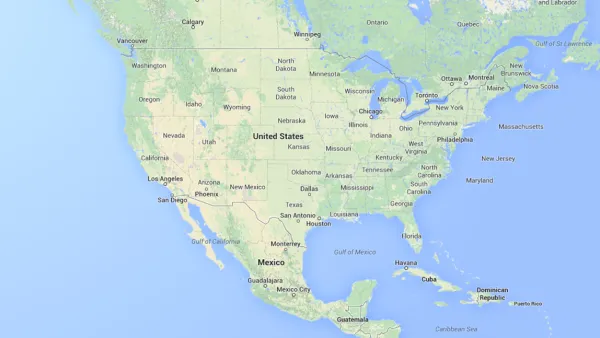
Mapping GDP—Urban Areas and Everything Else
An intrepid Reddit user has produced a striking visualization for the economic importance of the country’s urban areas by splitting the nation’s GDP into two—the top 50 percent and the lower 50 percent.
Minneapolis Scales Back Healthy Food Program
Minneapolis’ Healthy Corner Store Program launched with lofty ambitions in 2009—to help corner stores market and sell fresh food—but lackluster performance has required the city to reduce the scale of the program.
Detroit's Bankruptcy Plan Accelerates Blight Reduction
To drastically increase the rate of Detroit’s ongoing transformation, the city's bankruptcy plan, recently filed in U.S. Bankruptcy Court, would spend $520 million on its ongoing blight reduction efforts in the hopes of razing 400-500 homes a week.
Tampa Considers How to Invest $100 Million in its Downtown
With the bonds from the Tampa Convention Center to be paid off in 2015, Tampa will soon have $100 million to spend in its Downtown Community Reinvestment Area. How should the city invest in its downtown?
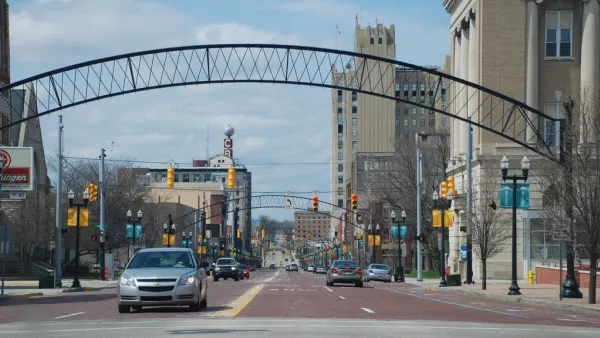
More Debate About 'Saving' Rust Belt Cities
The populations of at least a dozen major cities declined by more than ten percent between 2000 and 2010, including Buffalo, Cincinnati, Cleveland, and Detroit. How best to regenerate those “legacy cities” is a matter of no small amount of debate.
A City that Takes its Planning Seriously (or Not)
Portland is a city that's often better known by the representations of it—like the television show Portlandia—than as an actual working city.
Shrinking Cities: The Antidote to Greenfield Development
Developers should be looking to shrinking cities like Detroit and Buffalo, not to greenfields, for future development.
California's Crude by Rail Preparations Trigger Demonstrations
The Bay Area port city of Pittsburg is considering an application to rebuild and upgrade an existing oil terminal that would receive the explosive crude-by-rail from North Dakota, and residents are making their opposition heard.
San Diego Satellite Town Asks: Smart Growth or Trojan Horse?
San Diego County's "most walkable city" is being challenged to identify the real smart growth: what it has or what is being proposed. At issue: a plan amendment for a high density project near transit. But is the project real?
Sustaining the New Orleans Success Story
A new report called “Sustaining Prosperity: A Long Term Vision for the New Orleans Region,” authored by Joel Kotkin, celebrates the rebirth of New Orleans and sets a five point plan for ensuring New Orleans’ long-term prosperity.
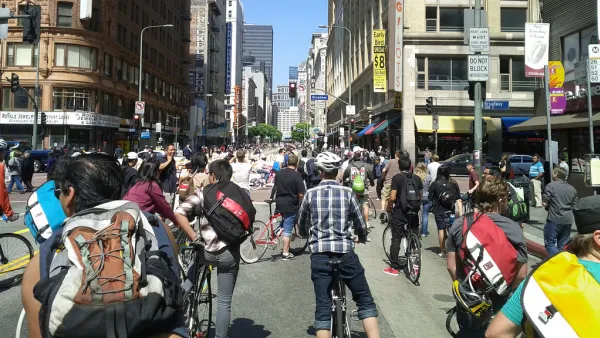
Los Angles Launching First Bicycle Friendly Business District
Coming soon to Northeast Los Angeles: a "Bicycle Friendly Business District." The Northeast Los Angeles pilot project is expected to clear the way for a citywide program in 2015-16.
Regional Planning Approach to Attract Tourism West of the Twin Cities
Located less then 15 miles west of Downtown Minneapolis, Lake Minnetonka is already popular, but the 14 cities near the lake have created a regional coalition to improve the lake experience.

FREE Course: Walkable City 1: Why Walkability?
After describing his path towards focusing on walkability as the essence of good planning, Jeff Speck marches through his five principal reasons for making more walkable places.
Reinventing Malls: Planning Alchemy—Turning Gray Fields Into Gold
The course focuses on the opportunities and imperatives that shape reinvention of mall sites.

KFH Group Inc.
Greater Baltimore Committee
Eagle County Government
The Architects Foundation
University of Cincinnati Online
The Pocatello Development Authority
The Urban Renewal Agency of the City of Pocatello