The $565 million CitySquare project was supposed to spark the revitalization of Worcester's downtown. But 10 years later, the 21 acre site is home to vacant sites and outdated buildings. What went wrong?


"In many ways, Worcester has the ingredients to prosper: It is the second-largest city in New England and home to 10 colleges and universities, including University of Massachusetts Medical School, College of the Holy Cross, and Clark University. It has respected cultural institutions, including an art museum with an impressive, encyclopedic collection amassed during Worcester’s industrial heyday in the early 20th century; diverse industries, like medical, insurance, and biotech; and commuter trains to Boston," writes Lonnie Shekhtman.
"But few cite the downtown area as one of the attractions. One reason could be the gap between the city’s vision of pedestrian-friendly streetscapes and a vibrant commercial sector, and developers’ goals to attract corporate tenants to realize a return on their investments."
In that gap sits the stalled CitySquare project, a cautionary tale of the pitfalls of focusing on big developments.
Read the full story: Worcester’s revival proving elusive


Maryland county approves first agricultural use of composted human remains
Earth Funeral will grow a forest from human remains that have gone through a “natural organic reduction” process.
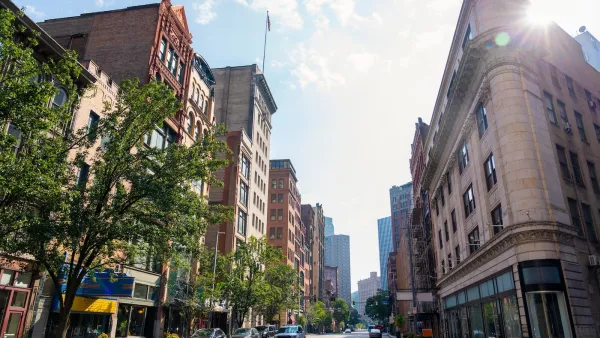
Pittsburgh downtown tax diversion plan draws criticism for lack of transparency
A proposed new development tax faces opposition from transit advocates.
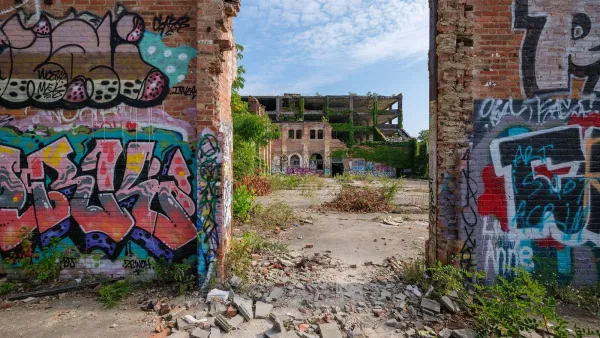
Cleveland announces new Midline industrial investment district
The plan calls for at least 1.5 million square feet of new industrial and commercial space alongside housing.

Planetizen Federal Action Tracker
A weekly monitor of how Trump’s orders and actions are impacting planners and planning in America.

‘Going backwards:’ Baltimore mayor, students rally against state's transit funding plan
Maryland's proposed six-year plan provides no funding for Baltimore’s BMORE bus program and reduces its road maintenance funding.

Detroit to transform waterfront with $2.2 billion investment
Developers will convert about 18 acres of unused parking lot space into civic spaces.

U.S.-Iran war may have ‘devastating’ impact on cost to warm homes
Vermont and Maine residents may see a 76% increase in the cost of warming their homes this winter.

Senate bill would ‘overhaul’ environmental permitting laws
Under the proposed act, government agencies would also not be able to suspend or rescind permits after granting them.

Exemption applications for NYC’s pied-à-terre tax see 55% success rate
The city sent nearly 40% of its initial pied-à-terre tax warnings erroneously.

FREE Course: Walkable City 1: Why Walkability?
After describing his path towards focusing on walkability as the essence of good planning, Jeff Speck marches through his five principal reasons for making more walkable places.
Reinventing Malls: Planning Alchemy—Turning Gray Fields Into Gold
The course focuses on the opportunities and imperatives that shape reinvention of mall sites.

One Hundred Miles
County of Mendocino
planning NEXT
The Architects Foundation
University of Cincinnati Online
Montrose County
Northern Illinois Transit Authority (NITA)
The Pocatello Development Authority