Asia-Pacific
China, Japan, other South East Asian countries, Australia, New Zealand, and Pacific Islands countries.
Toyo Ito Wins 2013 Pritzker Prize
Over the weekend it was announced that 71-year-old Japanese architect Toyo Ito has won this year's Pritzker Prize, the most prestigious award in the field. The jury honored Ito for combining "conceptual innovation with superbly executed buildings."
Japanese Breakthrough Could Revolutionize Natural Gas Extraction
Japan is looking to unleash a new source of natural gas in the same way that fracking and horizontal drilling has revolutionized natural gas drilling in the U.S. It's called methane hydrate or 'flammable ice', and is the most prevalent energy source.
The Emerging Asian City: An Interview with Vinayak Bharne
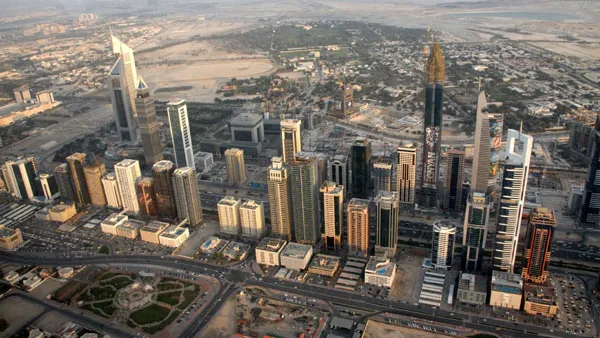
The publication of the 24 chapter volume “The Emerging Asian City: Concomitant Urbanities & Urbanisms”, brings together some of the most significant emerging voices and thoughts on the forces and phenomenologies shaping urban Asia today.
A Korean City for Books and Architecture
Shannon Mattern visits a "a publishers’ enclave" that is seeking to reinvent Korean publishing, architecture and urban planning in the wetlands near the Demilitarized Zone.
The Tokyo Model: From Post-War Slum to Superpower
In this compelling essay, authors Matias Echanove and Rahul Srivastava take a look at Tokyo's post-war development and explore how lessons learned from its unplanned growth may be useful for other rapidly urbanizing Asian cities today.
Rich Seedlings for the Urban Revolution
Over the next few decades, half of global economic growth is predicted to come from the slums of developing world cities. Gaia Vince believes the key to the coming urban revolution is how these shantytowns evolve.
Beijing Smog Levels "Off The Scale"
In Beijing, the level of air pollution is the highest the monitors at the U.S. embassy have ever recorded since put in place in 2008. The pollution results from a combination of weather conditions and particulate matter - most from coal burning.
Japan Perfects the Art of Delicate Demolition
John Metcalfe looks at how one Japanese company is advancing a more quieter sensitive method for demolishing high-rise buildings, floor by floor.
In Japanese Tsunami Zone, a Plan to Elevate Cities
The Yomiuri Shimbun reports on plans to elevate the ground level in urban areas that were inundated by the Great East Japan Earthquake and tsunami, prior to rebuilding. One town will elevate its land by 17 meters (55 feet).
Coal Ascendant in the 21st Century
Coal burning is rising everywhere save the U.S. If no changes are made to promote alternatives, it will overtake oil as the world's top energy source within a decade according to a new report from the Paris-based International Energy Agency (IEA).
Screened Subway Platforms Ruled-Out for NYC
The front page photo, "Doomed" on the New York Post on Dec. 4 of pushed subway rider, Ki Suk Han attempting to lift himself from the tracks as a train approaches has captivated many - yet a proposal to prevent it from repeating it is doomed as well.
As Economies Return, So Does Frightening Asian Air Pollution
New studies are raising alarms about the growing threat of harmful air in Asia's cities. One recent report warns that air pollution could become the biggest environmental cause of premature death by 2050 if action is not taken.
Two Influential Homes: Separated by Time, United in Spirit
Edwin Heathcote examines the common ethos that connects Kyoto's Katsura Imperial Villa and Los Angeles's Schindler House, "two homes, far apart in time and space, that influenced the modern movement."
Why Do Americans Put Up With Decaying Infrastructure?
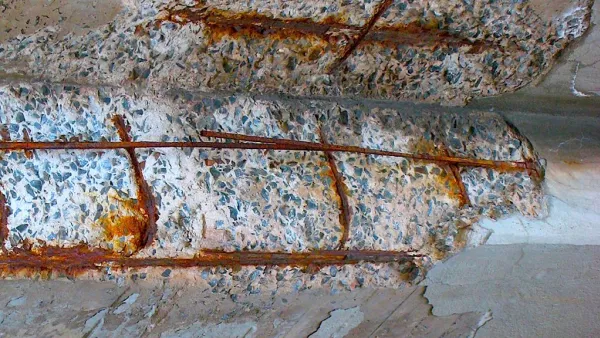
Compared to Europe's high-speed rail, paved roads, and underground power lines, America lags behind with its unreliable trains, potholes, and overhead power lines. Uwe E. Reinhardt questions why Americans put up with the decaying infrastructure.
Images of the World's Most Uncomfortable Commute
You've probably heard of the improbable lengths to which Tokyo's subway goes to pack in riders. But you likely haven't seen images of "unwilling subjects trapped in the train window" like those taken by photographer Michael Wolf.
Got a Few Extra Bucks? Name a City After Yourself
Tyler Falk reports that the Japanese city currently known as Izumisano has a enterprising idea to help reduce its $1.2 billion debt by selling its naming rights.
Asia's Megacities are Most Vulnerable to Superstorms
A study by the Organisation for Economic Co-operation and Development (OECD) identified twenty coastal cities, which by population, would be most exposed to flooding and superstorms. Fifteen are mega-cities in Asia.
Planes that Run on Natural Gas
Qatar Airlines is gearing up their jets to run on a fuel derived from natural gas - so don't expect to see fuel tanks holding liquefied gas. Similar to the "Messerschmitt Fuel" in World War II that was derived from coal, they are called synfuels.
More Transit for the Same Cost? Auckland Plan Shows How
An innovate plan to reconceive Auckland's transit network from the ground up led by Jarrett Walker demonstrates the dramatic efficiencies that can be gained, without additional cost, by increasing transfers.
Do You Smell Cigarette Smoke?
Smoking is physically harmful to smokers and non-smokers alike, but what about its impact on public space? Nate Berg reports on a new paper in Urban Studies based on interviews in Singapore -- where smoking has been regulated since 1970.

FREE Course: Walkable City 1: Why Walkability?
After describing his path towards focusing on walkability as the essence of good planning, Jeff Speck marches through his five principal reasons for making more walkable places.
Reinventing Malls: Planning Alchemy—Turning Gray Fields Into Gold
The course focuses on the opportunities and imperatives that shape reinvention of mall sites.

City of Wisconsin Rapids
Harvard University Graduate School of Design
KFH Group Inc.
The Architects Foundation
University of Cincinnati Online
The Pocatello Development Authority
The Urban Renewal Agency of the City of Pocatello