World
Global issues, U.N., etc.
Smart Transport Policies for Global Sustainable Development Goals
Transport policy reforms help achieve many Sustainable Development Goals, including poverty reduction; access to healthcare, education, employment, and clean water; gender equality; better settlements; energy conservation; and emission reductions.
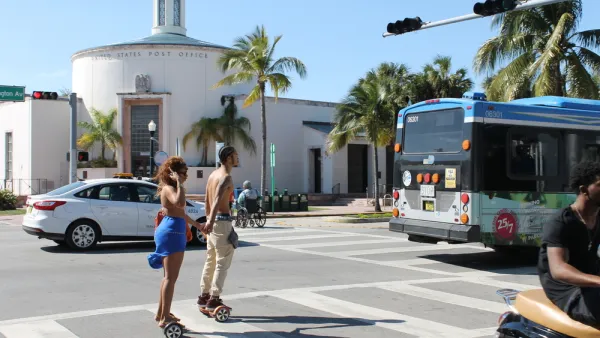
Ensuring the Benefits of Multiple Mobility as a Service Options
Vertically integrated mobility as a service options can offer great benefit to users, but unless cities create the right framework, it could stifle innovation and competition, as well as making the playing field too difficult for small companies.
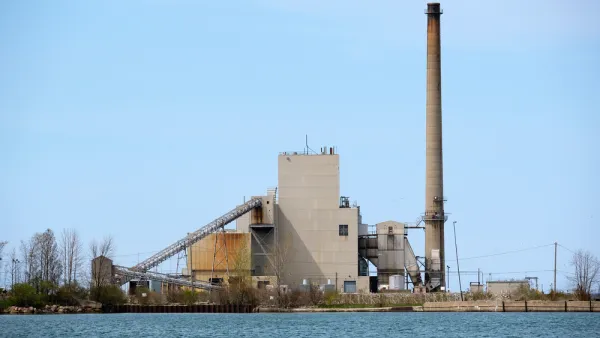
Generating Thermal Energy Requires Water, Lots of It
Water is an important part of the thermal energy process – one that we may not think as much about.
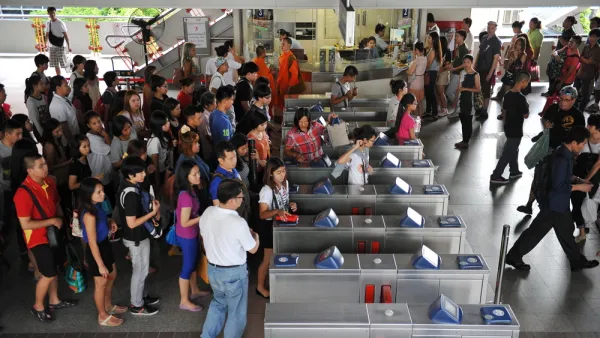
There's No 'Smart City' Without Smart Payment Technology
Thinking beyond the MetroCard.
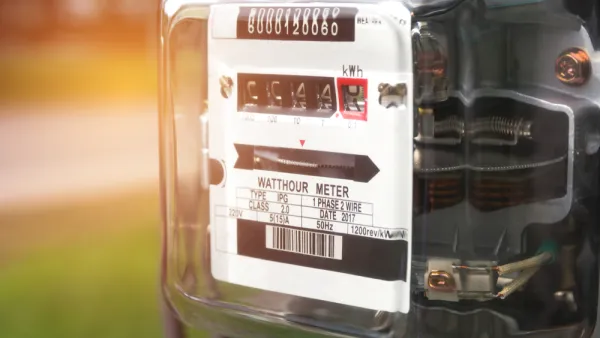
Smart Meters and AI take on Electrical Grid Load Forecasting
With the recent development of IoT, smart meter technology, and advanced weather forecasts by machine learning, we have the ability to analyze usage and load patterns and estimate future needs to help balance the electricity grid.

Cleaning-Up the World's Dirtiest Fuel by 2020
A 2016 rule approved by a specialized agency of the U.N. is forcing large ships that burn bunker oil, the dirtiest type of fuel, to either burn a more costly low-sulfur variety, apply scrubbers, or turn to LNG.
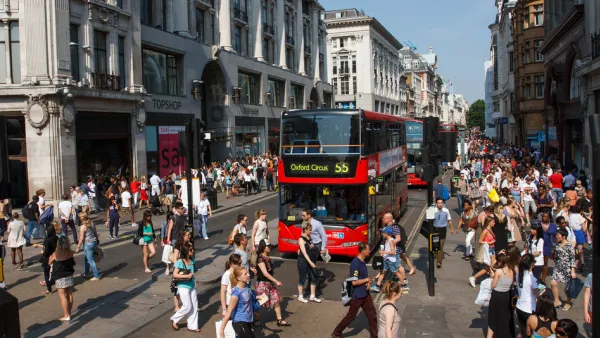
The Many Benefits of Wandering Through Cities on Foot
Forget the countryside. Urban walking helps people understand their cities while at the same time encouraging urban landscapes where people actually want to walk.
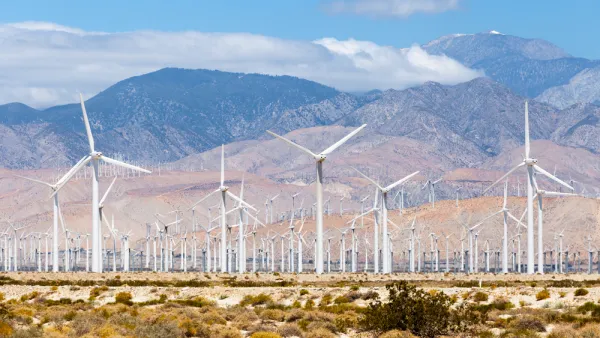
New Renewable Energy Has Yet to Displace Dirty Energy
Falling costs for renewable energy may lead some to believe that coal and other mainstays have been replaced, but they haven't. Adoption of renewables is not yet outpacing growth in demand for energy.
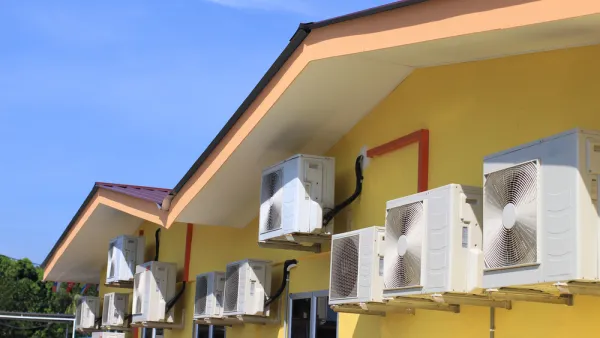
Extreme Heat Is an Inequality Issue
The Guardian sounds the alarm about deadly heat exposure in poor communities around the world.
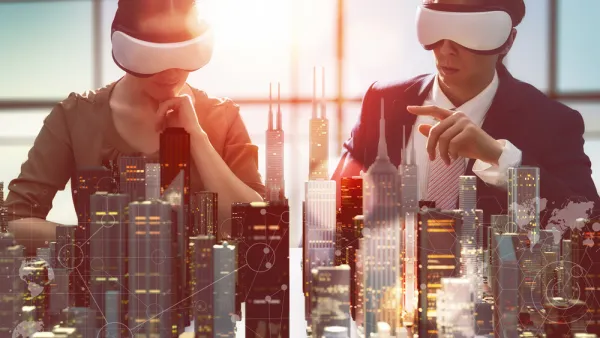
Making a Place for Virtual Reality in Planning
As virtual reality technology becomes more accessible, it's time to start considering how immersive virtual experiences could help inform visioning process and design decision-making.
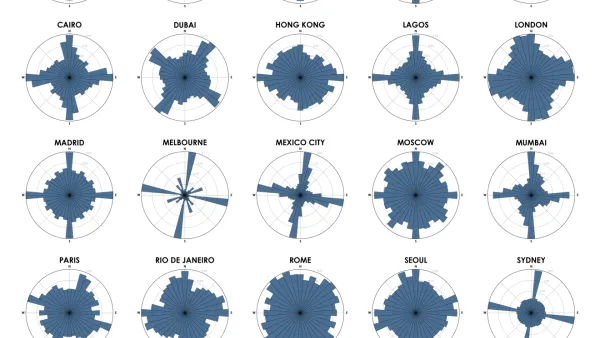
Chart Your City's Street Network to Understand its Logic
The roads in your city might conform to a grid, or they might divert around natural resources or landmarks. A new tool aims to help you visualize the "hidden logic" behind urban growth.
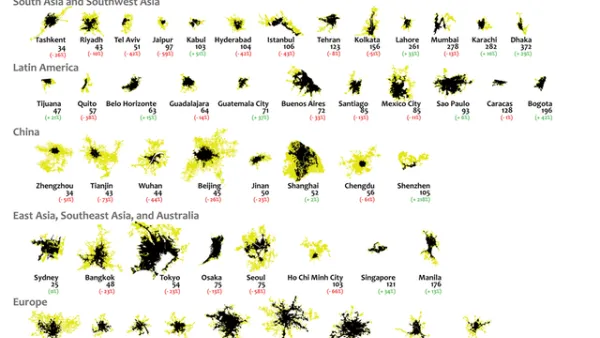
Mapping 25 Years of Urban Expansion
What comparing 25 years of urban expansion on six continents reveals about the changing nature of the built environment.

Real World Lessons From the Virtual World of Minecraft
The popular game Minecraft offers deep lessons what building in the virtual world means in the real world.
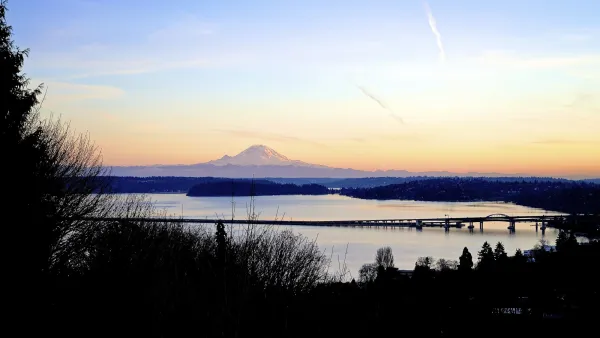
How Setting Makes a Place: A Seattle Retrospective
Chuck Wolfe reflects on his rapidly changing hometown, arguing that Seattle’s signature location and setting—however rearranged by the regrades of the past, Freeway Park, or a pending James Corner-led waterfront remake—remains for all to see.

How a City Planner Plays SimCity
A gaming video on the popular City Beautiful YouTube channel shows of the Sim City skills of a professional city planner.
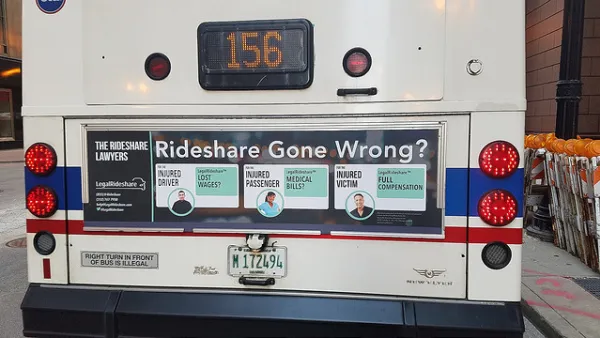
Study Finds UberPOOL Adds to City Traffic by Competing with the Subway
Past studies have shown how ride hailing services have added to congestion. A new study by Bruce Schaller suggests that even ride shares add to traffic, because they pull riders off of more efficient transit options like public transit.

A Map of 'Smoke Events' Around the World
Fire season is back, and it's not safe to breathe in huge swaths of the world.
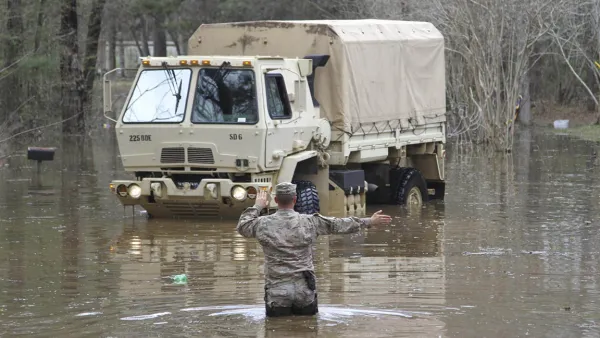
30 Years of Climate Change Proof
It's been 30 years since James Hansen told Congress about global warming. We might call it climate change these days, but Hansen was right.

New Report Contradicts the U.N.: More Like 84 Percent of the World Lives in Urban Areas
"Everything we've heard about global urbanization turns out to be wrong."
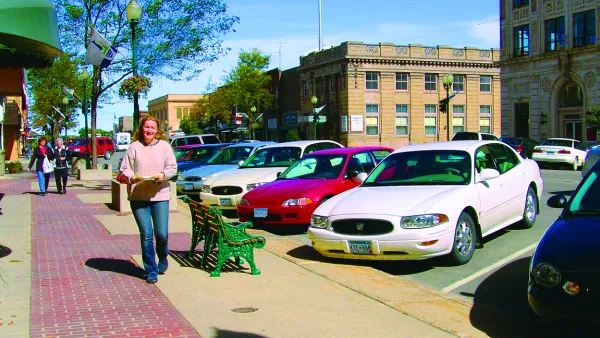
Sidewalks and Footpaths 'Functionally Obsolete' in the Near Transportation Future
With so much attention devoted to how technology will change roadways and vehicles, less speculation has attended to the ways technology will change walking.

FREE Course: Walkable City 1: Why Walkability?
After describing his path towards focusing on walkability as the essence of good planning, Jeff Speck marches through his five principal reasons for making more walkable places.
Reinventing Malls: Planning Alchemy—Turning Gray Fields Into Gold
The course focuses on the opportunities and imperatives that shape reinvention of mall sites.

City of Rosemead
Rutgers University, Edward J. Bloustein School of Planning and Public Policy
One Hundred Miles
University of Michigan School for Environment and Sustainability (SEAS)
Hunter College, City University of New York (CUNY)
The Architects Foundation
City of Cambridge
Montrose County
The Pocatello Development Authority









