United States
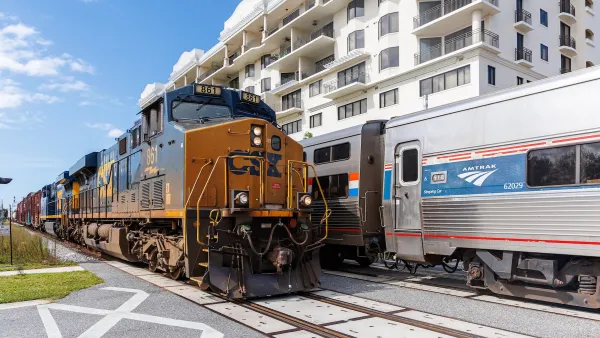
Who owns US railroad tracks?
Nearly three-quarters of Amtrak's trains operate on tracks owned by private companies. What does this mean for U.S. passenger rail?
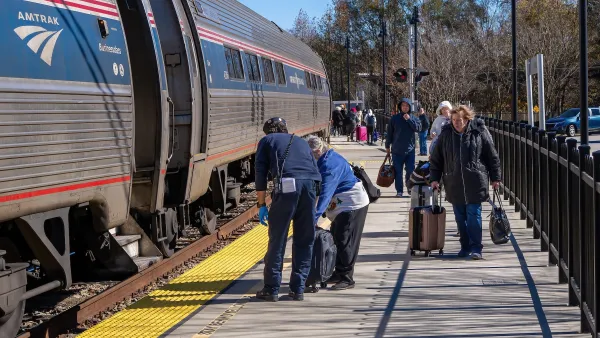
Rail advocates: BUILD America 250 Act could slash railway funding by 80%
Leaving rail funding up to annual appropriations threatens to drastically limit its reliability and effectiveness.
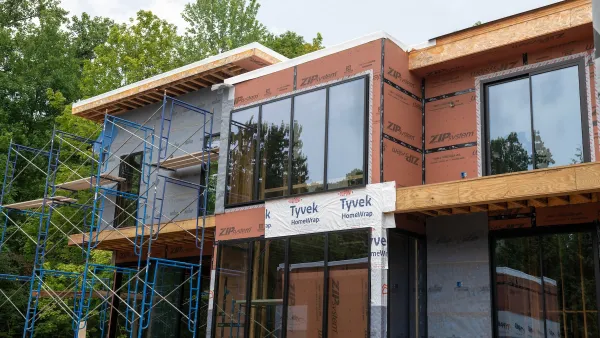
New HUD guidelines call for nixing green building requirements
The newly released 'best practices' advise local governments to streamline permitting processes, cap permitting fees and encourage by-right development of single-family homes.
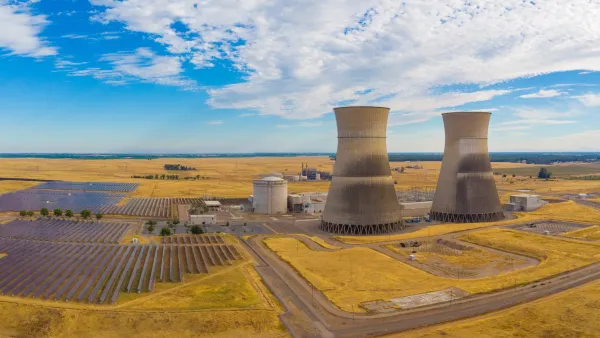
What data center host communities can learn from former nuclear hubs
The sometimes painful process of decommissioning former nuclear facilities offers useful lessons for communities planning to host data centers.
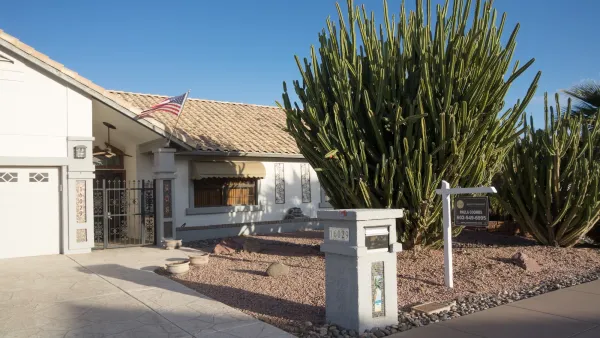
Phoenix, Tampa top list of housing markets with the most price cuts
Nearly a third of Phoenix homes for sale had price cuts last April.
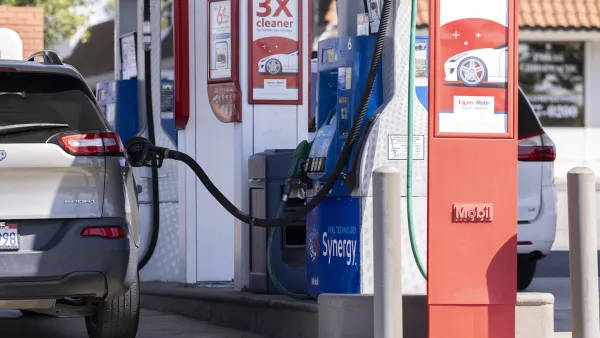
Analysis: Suspending the gas tax wouldn't save Americans much on gas this summer
Even if Congress approves a proposal to temporarily lift the federal gas tax, a variety of other factors and transportation and processing delays would mean American consumers would see little difference at the pump.

The demise of Spirit Airlines reveals critical gaps in America's affordable transportation
Lower-income Americans face significant mobility challenges.
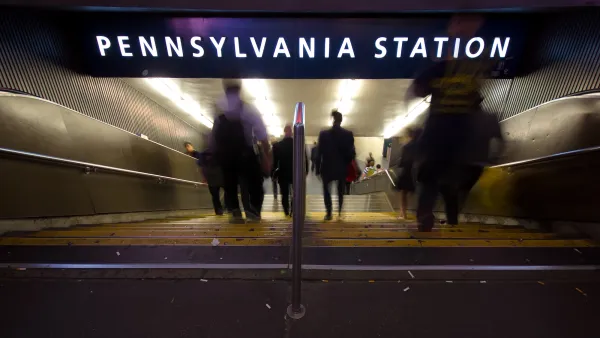
New Penn Station design won't move Madison Square Garden
Amtrak and federal officials agreed on a new plan for the station's redesign that may be largely funded by the federal government.
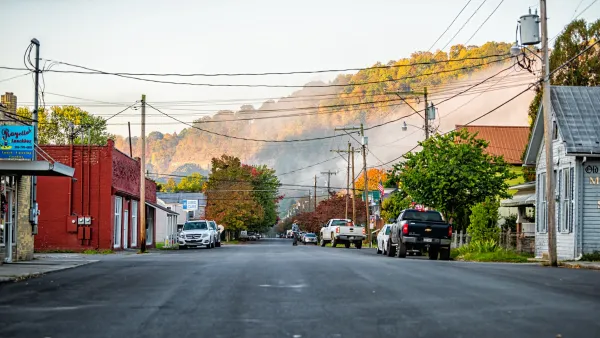
The categorization conundrum of the American exurbs
Exurban counties exemplify the shortcomings of defining rural at the county level.
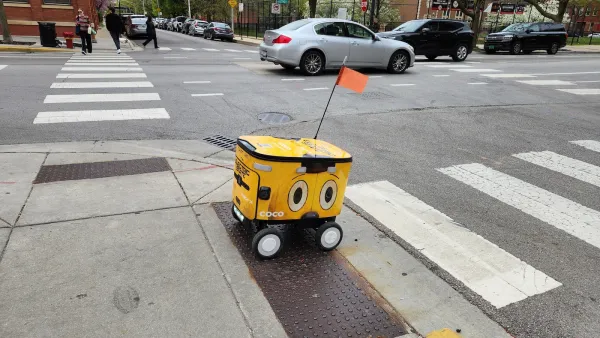
West Hollywood makes delivery robots paying road users
Cities are looking for creative ways to regulate food delivery robots, in some cases putting them to work gathering data for ADA compliance or collecting revenue for sidewalk maintenance.
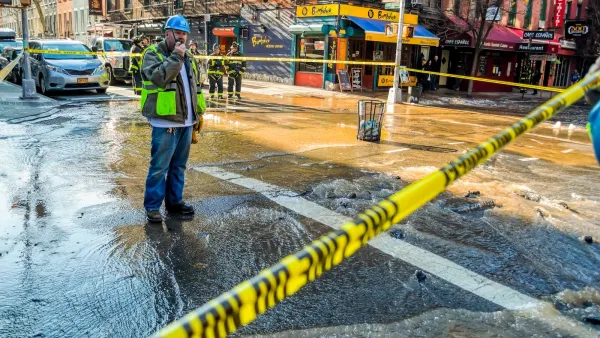
Public works officials indicate alarming decline in condition of water and sewer systems
Increased awareness of infrastructure issues combined with aging equipment and more extreme weather are leading more public works officials to feel their local systems are 'unsatisfactory.'
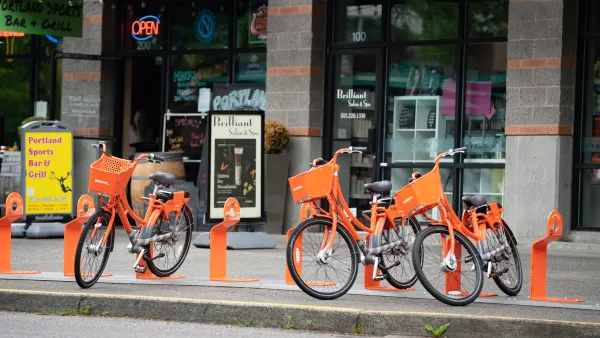
New bill would open federal funds to bike- and scooter-share
Democratic Representative Val Hoyle hopes that the Shared Micromobility Investment Act will remove barriers to cities accessing micromobility funding.
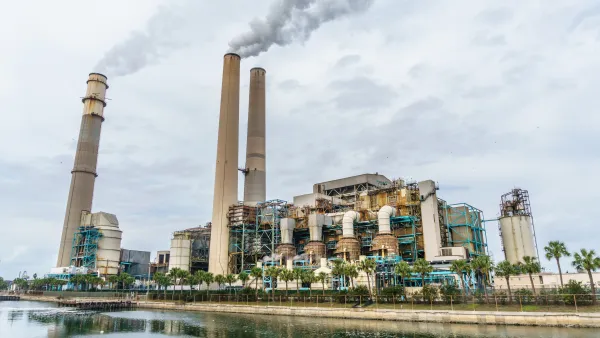
EPA to slash water treatment requirements for coal plants, citing growing electricity demand from AI data centers
The agency says the revisions to wastewater regulations — which critics call dangerous to human health — will decrease energy production costs by $1.1 billion annually.
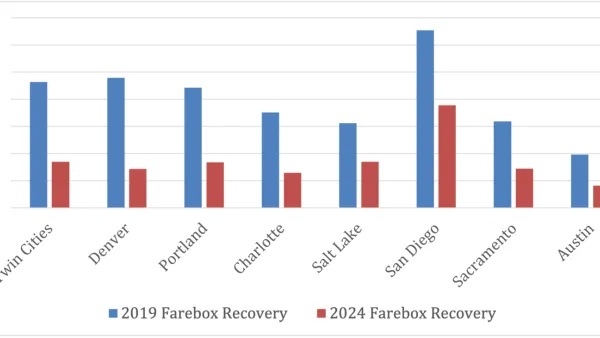
Nine chilling charts that illustrate transit's fiscal woes
The Eno Center for Transportation's latest data dump offers frightening insight into the state of transit's fiscal health nationwide.
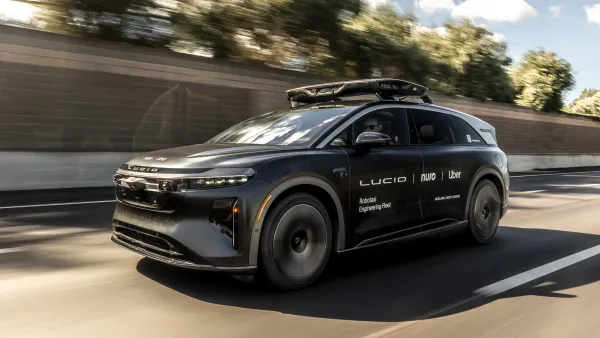
Uber commits $10B to AV fleet — while trashing Waymo
The ride-hailing giant is calling Waymo's model “less scalable” and “less reliable” than Uber’s hybrid approach mixing human drivers and AVs.

Community land trusts could be the secret to more co-op housing. Just ask Canada.
In Canada, more than half of all housing on community land trusts is cooperative housing. In the U.S., that number is less than 2%. Why?

As oil prices skyrocket, so do employer-paid e-bike and scooter subscriptions
Ridepanda subscriptions, which allow companies to offer e-bike and scooter subscriptions as a workplace perk, are up over 300% as commute costs soar.
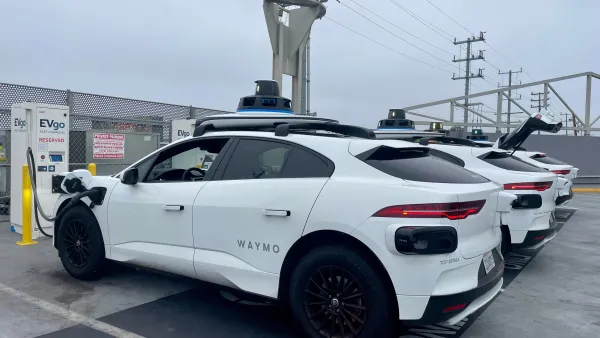
Waymo recalls 3800 robotaxis with '100% defect rate' after dangerous flood incident
Federal regulators determined the vehicles pose significant danger due to a defect that caused one empty taxi to be swept away by flood waters.

Johns Hopkins updates their sprawl database
In a follow up to their 2014 study, Johns Hopkins has released new data on urban sprawl in the U.S. and new findings on its health and wellbeing impacts.

Trump cancels rule that made conservation an official 'use' of public land
The rule allowed the Bureau of Land Management, which oversees about 10% of land in the U.S., to put conservation on equal footing with resource extraction and other development.

FREE Course: Walkable City 1: Why Walkability?
After describing his path towards focusing on walkability as the essence of good planning, Jeff Speck marches through his five principal reasons for making more walkable places.
Reinventing Malls: Planning Alchemy—Turning Gray Fields Into Gold
The course focuses on the opportunities and imperatives that shape reinvention of mall sites.

One Hundred Miles
County of Mendocino
planning NEXT
The Architects Foundation
University of Cincinnati Online
Montrose County
Northern Illinois Transit Authority (NITA)
The Pocatello Development Authority









