United States

Ten Trends Guiding the Real Estate Market
At last week's fall meeting in Chicago, experts with the Urban Land Institute peered into their crystal ball to predict the trends that will guide the recovery of the real estate market over the next year.
Could "Impact Bonds" Target Places Rather Than People?
Localities are experimenting with social impact bonds (SIBs) to fund America's social service infrastructure. John Roman asks if such an instrument could be used to help transform blighted areas.
Record U.S. Oil Production, but How Long Will it Last?
A milestone was reached last month in oil imports: For the first time in 18 years, the U.S. produced more oil than it imported thanks to fracking and reduced consumption. But according to a new IEA report, shale oil growth will peak within a decade.
U.S. Traffic Fatalities Increase After Multi-Year Decline
The National Highway Traffic Safety Administration (NHTSA) has released its traffic fatality data for 2012. Though the overall number of deaths remains historically low, the percentage of pedestrian and cyclist fatalities continues to rise.
Are U.S. Workers Ditching Public Transportation?
Recent census data suggests that, while public transit use increased in U.S. cities during the recessionary period, it may be on the decline yet again.
Welcome Back the Streetcar
Once a fixture in American cities, then falling into obsolescence, streetcars appear to be seeing a comeback. In cities such as Tucson, investment in light rail has catalyzed substantial economic development in its downtown.
In Absence of Gas Tax Increases, States Look to Tolls
States are increasingly looking to alternative transportation revenue sources due to the failure of state and federal gas taxes to keep up with inflation and transportation needs. More states are turning toward tolling to make up the gap.
Affordability Must Measure Transportation Costs, Say Feds
A new tool launched by the U.S. DOT and HUD builds on the Center for Neighborhood Technology's innovative Housing + Transportation Index to give Americans a better picture of the complete costs of their housing choices.
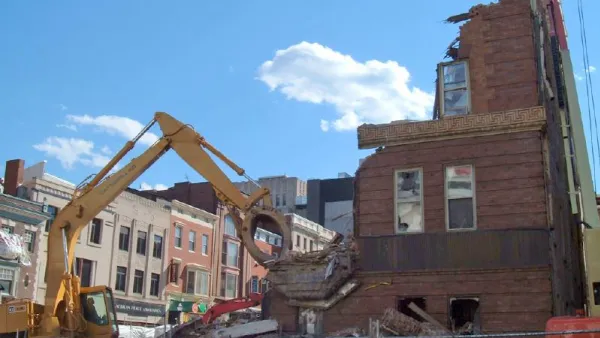
Struggling Cities Demolish Their Way to Growth
Saddled with thousands of vacant buildings, and little hope of recovering lost population, cities such as Baltimore, Buffalo, and Cleveland are pursuing large-scale demolitions. Shrinking cities are changing the very practice of urban planning.
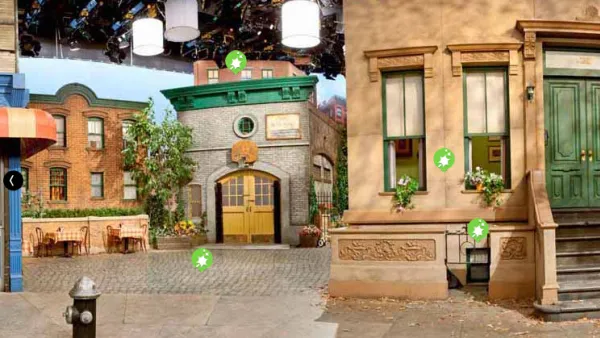
Did Sesame Street Help Spark America's Urban Revival?
At the height of America's suburban expansion, a children's show premiered that was set in a dense urban environment. Steve Patterson wonders if the young adults now embracing urban lifestyles learned to love cities by watching Sesame Street.
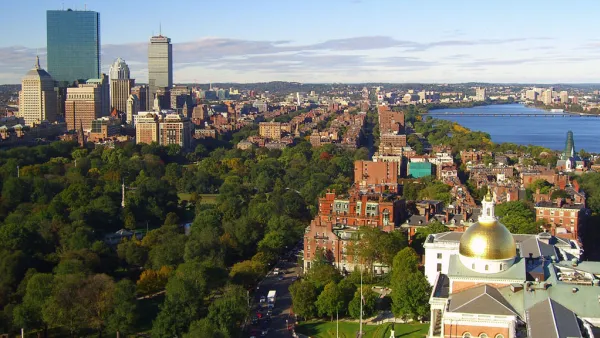
Which U.S. City Gentrified the Most Before the Recession?
A new report from the Federal Reserve Bank of Cleveland quantifies the rate at which America's 55 largest cities gentrified between 2000-2007 based on neighborhood home values. The results may surprise you.
Obama Renews Push for Infrastructure Spending, But Is Anyone Listening?
While President Obama's push for much-needed infrastructure investment in the face of opposition and inaction may be admirable, one must ask if his continued pleas are falling on deaf ears. Could the political winds be changing?
Populist Urbanism: Beyond the Creative Class
Smart Growth needs to adopt a more populist message, argues Robert Steuteville, and demonstrate how cities can empower people of all classes. Could "Lean Urbanism" provide the foundation?
Is Your City One of America's Most Walkable?
Walk Score has released its 2014 ranking of Most Walkable U.S. Cities and Neighborhoods. Though New York's position at the top of the list would be easy to explain, one surprise made the top five.
Mixed Results for Urbanism in Yesterday's Elections
Sustainable transportation in Seattle, a streetcar in Cincinnati and an Astrodome in Houston were among the policies and projects at stake in local elections across the U.S. yesterday. Here are some of the winners and losers.
We Can't Afford to Ignore Manufactured Housing Anymore
A negative perception of manufactured housing persists, though the industry has changed drastically. Winton Pitcoff tells community developers that these homes need to be taken seriously as solutions for the affordable housing crisis.
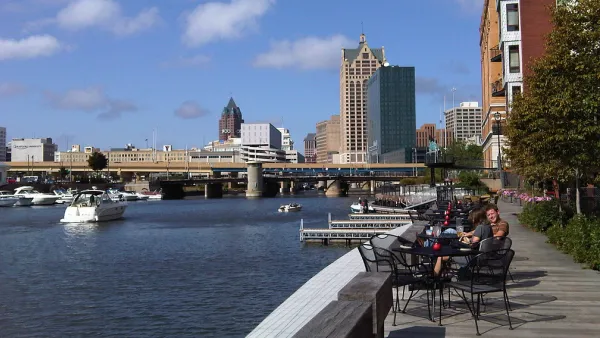
The Metros Where Millennials Have the Most Opportunities
Uninterested in outdated suburbs and excluded from the most desirable places, Millennials are in need of alternative options for establishing themselves. Nona Willis Aronowitz's new series examines four types of cities where Millennials can make it.
NYC: 7 Things at Risk, Post-Bloomberg
As Mayor Bloomberg gets set to leave office in New York, here are 7 things that may dramatically change under a new administration.
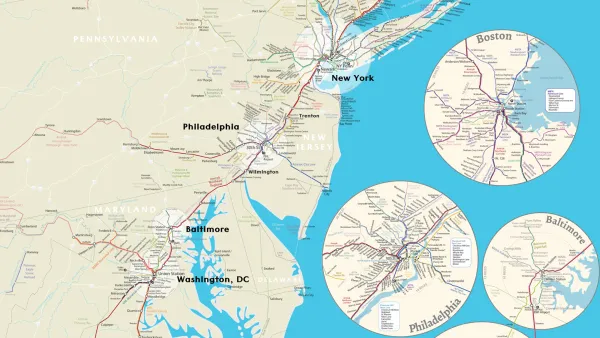
Each Passenger Rail Line from Maine to North Carolina on One Map
Ever dream of traveling from Rockland, Maine to Charlotte, North Carolina without using a car? With the Northeast Rail Map you can plan your journey via the East Coast's long-distance, regional, metropolitan, and heritage rail lines.
Alternative Transportation Push Fails to Get Commuters Out of Their Cars
New data from the Census Bureau's American Community Survey shows that the percentage of commuters driving to work alone neared an all-time peak last year. State and national trends are working against progress being made by cities.

FREE Course: Walkable City 1: Why Walkability?
After describing his path towards focusing on walkability as the essence of good planning, Jeff Speck marches through his five principal reasons for making more walkable places.
Reinventing Malls: Planning Alchemy—Turning Gray Fields Into Gold
The course focuses on the opportunities and imperatives that shape reinvention of mall sites.

One Hundred Miles
County of Mendocino
planning NEXT
The Architects Foundation
University of Cincinnati Online
Montrose County
Northern Illinois Transit Authority (NITA)
The Pocatello Development Authority









