Uninterested in outdated suburbs and excluded from the most desirable places, Millennials are in need of alternative options for establishing themselves. Nona Willis Aronowitz's new series examines four types of cities where Millennials can make it.


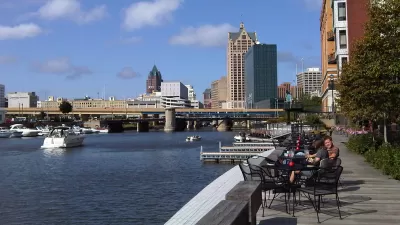
Millennials who've come of age during the Great Recession are "adjusting [their] expectations," writes Aronowitz. "We’re realizing that those big, bustling cities have become unaffordable for those of us just starting out. And the house in the suburbs, with its long commutes and high gas bills, doesn’t fare much better. So where does a Millennial turn?"
"I traveled across the country for six weeks in search of the best, most affordable places for twentysomethings to achieve their goals nowadays—whether it’s to start a business, live off their art, have kids earlier, or just finally find a fulltime job. Over the next two weeks, I’ll be sharing what I found."
Aronowitz plans to look at nine promising cities, which, she explains, fall into four general categories:
- Small Ponds for Big Fish
- The Gems Next Door
- Towns Luring Back Their Townies
- Budget Boom Towns
Read the full story: Where Millennials Can Make It Now
Richard Florida Picks the Top Cities for College Graduates
Richard Florida and his team have ranked the Best Places for Recent College Grads using nine different indicators, including the number of singles, unemployment rate, rental housing stock, and of course, creative capital.
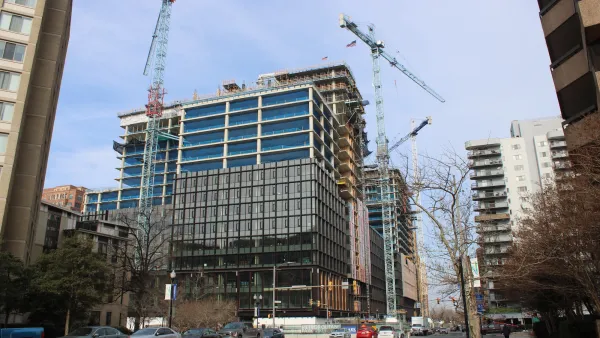
Amazon's HQ2 promised 25,000 jobs. It has created less than a third of that.
Virginia offered Amazon up to $750 million in public subsidies in exchange for creating local jobs and investment.

Data Centers Gaining Ground in Central Ohio
Massive data centers are gobbling up energy resources and tax breaks while creating few jobs in the region.

Planetizen Federal Action Tracker
A weekly monitor of how Trump’s orders and actions are impacting planners and planning in America.

California plans to bury El Niño’s downpour
If the state plays its cards right, it may be able to store a billion acre-feet of El Niño’s water in aquifers.

Desperate measures: Advocates weigh draining Lake Powell to fill Colorado River
Draining the reservoir could reduce evaporation losses by a couple hundred thousand acre-feet.

Chicago voters approve permanent festival grounds, penalty for vacant property owners
Currently, major summer and fall festivals take over public parks for weeks at a time, drawing criticism from nearby residents

NYC votes to cut outdoor dining red tape, speed up permitting
New York City also voted to allow the Department of Transportation to begin work on urgent projects before notifying elected officials.

California appears to reject Prop. 45
The proposition would have expanded the projects that qualify for a streamlined environmental review, effectively paring down the California Environmental Quality Act.

FREE Course: Walkable City 1: Why Walkability?
After describing his path towards focusing on walkability as the essence of good planning, Jeff Speck marches through his five principal reasons for making more walkable places.
Reinventing Malls: Planning Alchemy—Turning Gray Fields Into Gold
The course focuses on the opportunities and imperatives that shape reinvention of mall sites.

City of Rosemead
Rutgers University, Edward J. Bloustein School of Planning and Public Policy
One Hundred Miles
Hunter College, City University of New York (CUNY)
The Architects Foundation
University of Cincinnati Online
City of Cambridge
Montrose County
The Pocatello Development Authority